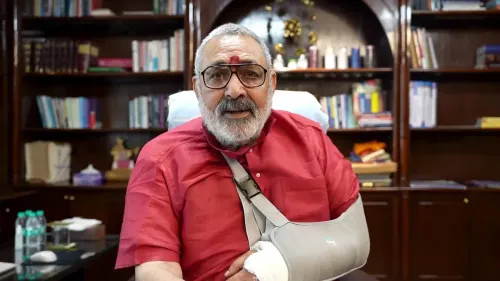
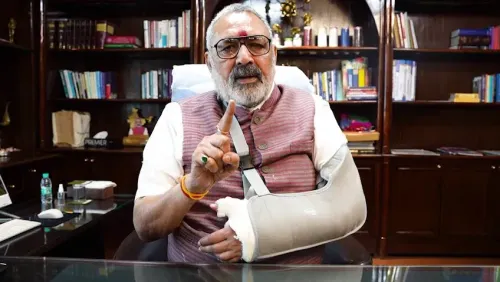
Giriraj Singh fires back at Congress over EVM complaints
Synopsis
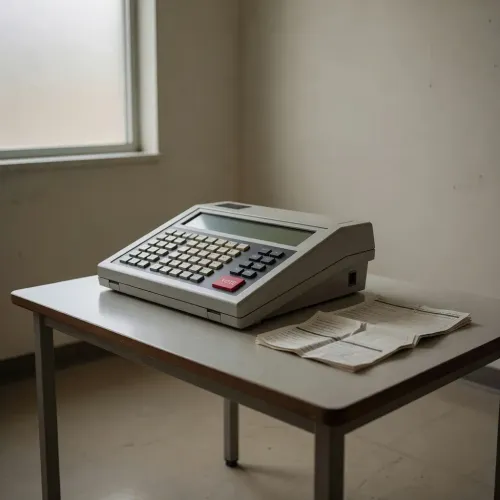
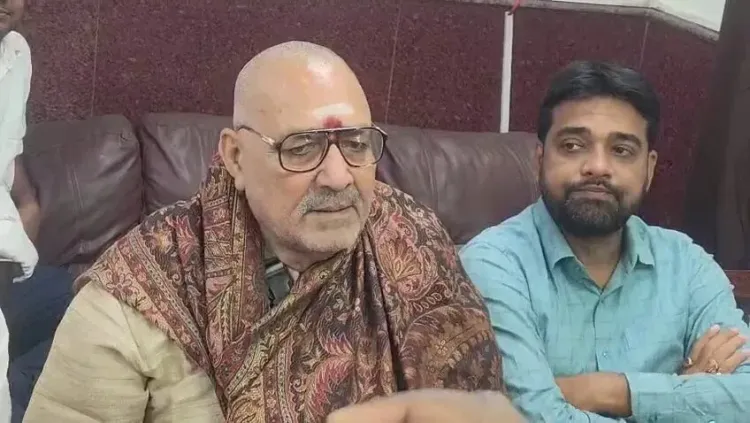
Union Textiles Minister Giriraj Singh has dismissed Congress's EVM complaints, protest tactics, and procedural grievances as political excuses, arguing the public stopped voting for the corrupt — not that votes were stolen.
Key Takeaways
Union Textiles Minister Giriraj Singh posted a sharp Hindi-language attack on Congress on 31 October 2026 .
He accused the party of reducing its politics to EVM complaints, procedural grievances tagged 'SIR', and anarchy-linked street protests.
Singh's core argument: votes were not stolen; voters consciously rejected corrupt parties.
Congress and allied opposition parties have raised EVM reliability concerns after major electoral losses since 2014 , including the 2019 and 2024 general election cycles.
The exchange is part of a sustained BJP–Congress narrative war over democratic legitimacy and electoral credibility.
Every time election results disappoint the opposition, a familiar script plays out — and Union Textiles Minister Giriraj Singh is done watching it. On Saturday, 31 October 2026, the senior BJP leader and Lok Sabha MP from Begusarai, Bihar, turned the tables on the Indian National Congress in a sharp post on X, dismissing the party's EVM complaints, procedural grievances, and street protests as the hollow residue of a politics that has run out of ideas.
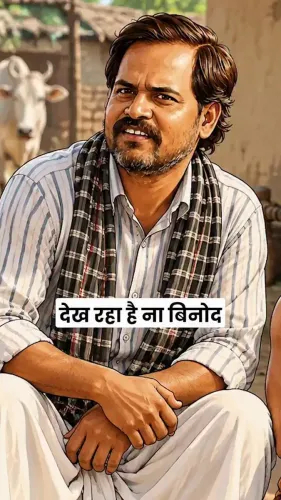
Singh's post, written in Hindi, delivers its verdict in two crisp charges: 'EVM पर रोना, SIR का बहाना और प्रदर्शन के नाम पर अराजकता फैलाना' — 'Crying over EVMs, using SIR as an excuse, and spreading anarchy in the name of protests' — is all that is left of Congress politics, he argues. The second line is the sharper punch: 'Votes were not stolen in the election; the public simply stopped voting for the corrupt.'The EVM grievance loop — and BJP's counter-narrative
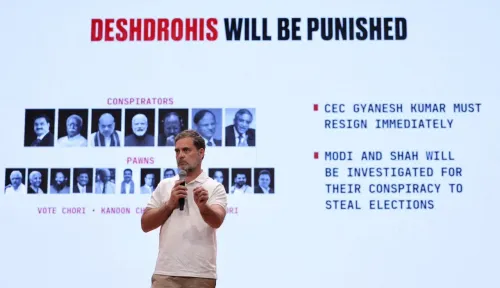
Opposition parties, led by Congress, have questioned the reliability of Electronic Voting Machines after virtually every major electoral setback since 2014. The argument — that machines can be tampered with and results manipulated — has been raised in courts, press conferences, and public rallies across multiple national and state election cycles, including the 2019 and 2024 general elections.
The BJP's counter-argument, which Singh articulates here with characteristic bluntness, is that EVM complaints are a face-saving mechanism deployed by parties unwilling to accept a simpler explanation: voters have rejected them. By framing the outcome as a public verdict on corruption rather than a procedural failure, the ruling party consistently shifts the debate from the mechanics of voting to the ethics of governance.
Why 'SIR' and street protests are now part of the charge-sheet
Singh's bundling of 'SIR' — a reference whose precise context remains disputed — alongside EVM grievances and protest-related disorder signals a deliberate broadening of the attack. The strategy is to paint Congress as a party that moves from one grievance to the next without offering a substantive alternative, treating each new controversy as a new excuse rather than a new argument. Whether that framing lands with voters is, of course, the real test.
Street protests 'in the name of demonstrations,' as Singh puts it, have been a recurring flashpoint between the two parties, with BJP leaders regularly accusing the opposition of staging disruptions that cross the line from dissent into disorder. That charge, too, has a well-worn groove in Indian political discourse.
Point of View
This framing could continue to stick with swing voters who find machine-tampering claims unconvincing.
NationPress
31 Oct 2026
Frequently Asked Questions
What did Giriraj Singh say about Congress and EVMs?
Giriraj Singh said Congress has reduced its politics to crying over EVMs, using 'SIR' as a pretext, and spreading disorder through protests. He argued votes were not stolen but that the public chose to stop voting for corrupt parties.
What is the EVM controversy in Indian politics?
Opposition parties, including Congress, have repeatedly alleged that Electronic Voting Machines can be tampered with and have demanded paper-trail audits or a return to ballot papers after election losses, particularly since 2014. The Election Commission and BJP reject these claims.
Who is Giriraj Singh?
Giriraj Singh is a senior BJP leader, Union Minister of Textiles in the Indian government, and a Lok Sabha MP representing Begusarai in Bihar.
What does 'SIR' refer to in Giriraj Singh's post?
The exact reference behind 'SIR' in Singh's post has not been independently confirmed. He used it as one of several examples of what he called Congress's excuse-making after electoral setbacks.
How has BJP responded to EVM complaints in past elections?
After the 2019 and 2024 general elections, BJP leaders consistently dismissed EVM complaints as sore-loser deflections, arguing that election outcomes reflected voter dissatisfaction with the opposition's governance record rather than any technical manipulation.