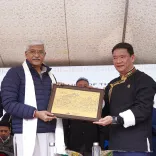
WDC-PMKSY 2.0: DoLR Secretary reviews watershed works in Pune's Khed villages
Synopsis
DoLR Secretary Dilip Kumar visited drought-stressed villages in Pune's Khed Project area to review WDC-PMKSY 2.0 watershed works — and found a quiet success story: farmers now grow two to three crops a year where one was the norm. The bigger challenge flagged is maintenance, with Kumar urging communities to keep these structures functional for the next 20 years.
Key Takeaways
DoLR Secretary Dilip Kumar reviewed WDC-PMKSY 2.0 watershed works in Varude, Gulani, and Wafgaon villages of Pune district on 30 October 2026 .
Villagers across 11 villages under the Khed Project reported improved groundwater levels enabling two to three crops annually .
Despite drought-like conditions this year, farm ponds and cement nala bund structures helped irrigate standing crops.
Kumar urged communities to maintain water harvesting structures for the next 20 years and cited Hiware Bazar as a model for water self-reliance.
Structures reviewed include CCT , earthen and cement nala bunds, Kolhapuri-type weirs, and farm ponds built using the ridge-to-valley approach .
Benefits under the scheme also extended to women's self-help groups through horticulture and agricultural equipment support.
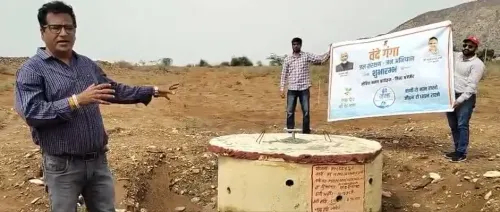
Department of Land Resources (DoLR) Secretary Dilip Kumar on 30 October 2026 conducted an on-ground review of watershed development works under the Watershed Development Component of the Pradhan Mantri Krishi Sinchayee Yojana 2.0 (WDC-PMKSY 2.0) in the villages of Varude, Gulani, and Wafgaon in Pune district, Maharashtra. The visit, confirmed through an official statement on 31 October 2026, focused on assessing the long-term upkeep and effectiveness of water harvesting infrastructure built under the scheme.
Key Developments from the Field Visit
During the review, Kumar urged villagers to collectively own the responsibility of maintaining and repairing water harvesting structures so that these assets remain functional for the next 20 years. He also called on communities to work towards transforming villages under the Khed Project into water-secure and self-reliant settlements, citing Hiware Bazar as a model to emulate.
'Water is the foundation of our future. Every drop of rain must be conserved to make villages water-secure and self-reliant,' Kumar told villagers during the visit.
What Villagers Reported on the Ground
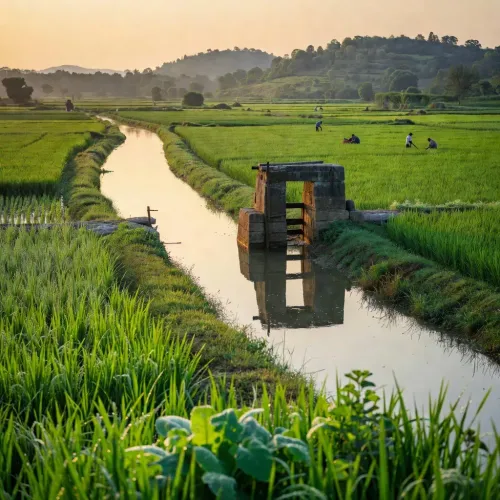
Residents across 11 villages covered under the Khed Project said watershed development interventions had measurably improved groundwater levels, enabling farmers to cultivate two to three crops annually — a significant uptick in agricultural income and rural livelihoods. Notably, despite drought-like conditions this year, water stored in farm ponds and improved well levels linked to cement nala bunds and Continuous Contour Trench (CCT) structures had helped sustain standing crops, according to villagers.
Structures Reviewed and Their Design
Kumar inspected a range of watershed infrastructure developed using the ridge-to-valley approach, including Continuous Contour Trenches (CCT), earthen nala bunds, cement nala bunds, Kolhapuri-type weirs, and water storage ponds. He assessed their effectiveness in reducing rainwater runoff, enhancing groundwater recharge, and improving water availability for agriculture. The review also covered farm ponds, horticulture plantations, agricultural equipment provided to beneficiaries, and benefits extended to women's self-help groups.
Scheme Objectives and Broader Context
The WDC-PMKSY 2.0 aims to promote soil and water conservation, enhance agricultural productivity, and support sustainable rural development. This comes amid growing concern over water stress in rain-dependent agricultural regions of Maharashtra, where erratic monsoons have made groundwater management increasingly critical. The Khed Project review underscores the Centre's push to move beyond infrastructure creation toward ensuring long-term community-led maintenance — a gap that has historically undermined the durability of rural water assets.
What Comes Next
With the government emphasising sustained community stewardship, the focus is expected to shift toward training and capacity-building for village-level maintenance committees. The outcome of this review is likely to inform how future phases of WDC-PMKSY 2.0 are structured, particularly around post-construction accountability in drought-prone districts.
Point of View
This review risks being a photo-op rather than a turning point.
NationPress
31 Oct 2026
Frequently Asked Questions
What is WDC-PMKSY 2.0 and what does it aim to do?
WDC-PMKSY 2.0 is the Watershed Development Component of the Pradhan Mantri Krishi Sinchayee Yojana 2.0, a Central government scheme focused on soil and water conservation, improving agricultural productivity, and promoting sustainable rural development. It funds infrastructure such as farm ponds, nala bunds, and contour trenches to improve groundwater recharge in rain-dependent farming regions.
What did DoLR Secretary Dilip Kumar review in Pune?
Kumar reviewed watershed structures built under WDC-PMKSY 2.0 in Varude, Gulani, and Wafgaon villages of Pune district on 30 October 2026. He assessed CCT structures, cement and earthen nala bunds, Kolhapuri-type weirs, farm ponds, and horticulture plantations, and also reviewed benefits extended to women's self-help groups.
How have watershed works benefited farmers in the Khed Project area?
Farmers across 11 villages under the Khed Project reported that improved groundwater levels now allow them to cultivate two to three crops annually, up from earlier single-crop cycles. Even during drought-like conditions in 2026, stored water in farm ponds and wells linked to nala bund structures helped sustain standing crops.
Why did the secretary urge communities to maintain water structures?
Kumar stressed that the water harvesting assets must remain functional for the next 20 years, warning that infrastructure without sustained community upkeep loses its value quickly. He called for collective village-level responsibility for regular maintenance and repair, citing Hiware Bazar as a successful model of water self-reliance.
Which villages were covered in the 30 October 2026 review?
The review covered Varude, Gulani, and Wafgaon villages in Pune district, Maharashtra, all part of the Khed Project under WDC-PMKSY 2.0. Watershed works across 11 villages in the broader Khed Project area were discussed during the visit.