Ramaswamy Vows Ohio Property Tax Probe on Day 1
Synopsis
Entrepreneur Vivek Ramaswamy has announced a Day-1 executive order to investigate Ohio property tax spending, framing full fiscal transparency as the prerequisite for what he calls the biggest property tax cut in state history — applying the federal DOGE efficiency template to his Ohio gubernatorial bid.
Key Takeaways
Entrepreneur Vivek Ramaswamy announced on 31 October 2026 that he will launch investigations into Ohio property tax spending via executive order on his first day in office.
He pledged to deliver 'the biggest property tax cut in state history' once the audit findings are public.
Ohio property taxes primarily fund local school districts; partial relief measures passed in 2023–2024 left structural funding questions unresolved.
The pledge extends the federal DOGE audit-before-cut model — which Ramaswamy co-led in 2025 — to state-level fiscal policy.
The precise legal scope of the proposed executive order and its revenue impact have not been detailed publicly.
The announcement is a central plank of Ramaswamy's pitch in the 2026 Ohio gubernatorial election cycle .
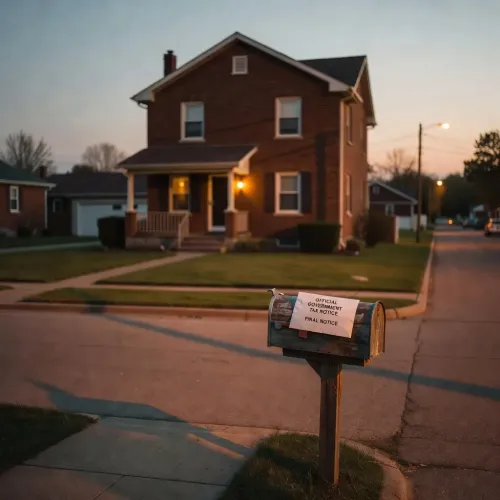
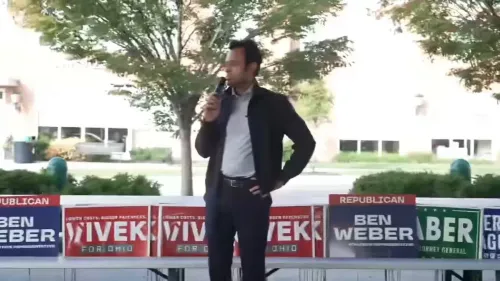
A promise to rip open the books on Ohio's property tax spending — and then slash the tax itself — landed on Saturday, 31 October 2026, when entrepreneur Vivek Ramaswamy announced he would launch investigations via executive order the moment he takes office. The pledge targets what he calls a fundamental affordability crisis in the state, and it puts fiscal transparency at the centre of his pitch to Ohio voters.
The Two-Part Promise: Audit First, Cut Second
Ramaswamy's announcement is structured as a sequence, not a single gesture. First, a Day-1 executive order triggering investigations into where property tax dollars have actually gone. Then — armed with those findings — 'the biggest property tax cut in state history.' The order of operations matters: by front-loading the audit, he frames the eventual tax relief as evidence-based rather than arbitrary, borrowing the logic of the federal efficiency-review model he helped champion under the DOGE advisory effort in 2025.
In his post, Ramaswamy was direct: 'You'll get to see the truth and then we'll deliver the biggest property tax cut in state history.' The language is deliberate — 'your hard-earned dollars,' 'the truth' — signalling that the campaign intends to run on government accountability as much as tax relief itself.
Why Ohio Property Taxes Are a Live Political Wire
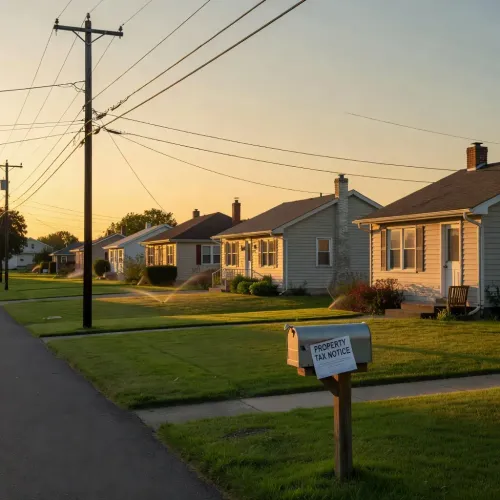
Ohio property taxes primarily fund local school districts and municipal governments, making them both essential and politically explosive. The state enacted partial relief measures in 2023 and 2024 — capping certain millage-rate increases — but those moves left structural school-funding questions unresolved. Post-pandemic property reassessments pushed valuations sharply higher across many Ohio counties, squeezing homeowners even where nominal tax rates stayed flat.
That pressure has made affordability a dominant kitchen-table issue heading into the 2026 Ohio gubernatorial cycle. Ramaswamy is positioning the transparency-then-cut sequence as the answer that incremental legislative patches have failed to provide.
A Federal Playbook Brought to Columbus
The announcement fits a recognisable Republican state-level pattern: pair a spending-transparency mandate with a headline tax-reduction pledge, extending the federal efficiency-and-audit template downward to state fiscal policy. Ramaswamy's own biography makes that connection unusually explicit — as co-lead of the federal DOGE advisory effort, he spent 2025 arguing that spending audits must precede meaningful budget cuts. He is now applying the same framework to Columbus.
Similar pledges have surfaced in gubernatorial races across states facing post-pandemic assessment spikes, but Ramaswamy's DOGE credibility gives the rhetoric a specific institutional pedigree that most candidates lack. Whether an executive order can compel the granular local-government disclosures he is promising — and whether a legislature would pass the corresponding tax-cut bill — are the two questions that will define whether the pledge survives contact with office.
Point of View
Drawing directly on his DOGE credibility. The strategy is shrewd: if the audit produces damaging findings about local government waste, the political case for a large cut writes itself. The structural risk is that Ohio's property-tax system is deeply entangled with school-district funding, meaning any significant cut triggers an immediate education-finance fight that no executive order can resolve alone. Voters will ultimately judge whether the audit promise is a genuine accountability mechanism or a theatrical prelude to a predetermined conclusion.
NationPress
31 Oct 2026
Frequently Asked Questions
What is Vivek Ramaswamy promising on Ohio property taxes?
Ramaswamy has pledged to issue a Day-1 executive order launching investigations into how Ohio property tax revenues have been spent, followed by what he calls the biggest property tax cut in state history.
Is Vivek Ramaswamy running for Ohio governor in 2026?
Ramaswamy is actively campaigning in the 2026 Ohio gubernatorial cycle, and this property-tax announcement is a central plank of that campaign.
What is DOGE and what was Ramaswamy's role in it?
DOGE — the Department of Government Efficiency advisory effort — was a federal initiative under the second Trump administration focused on spending audits and efficiency reviews. Ramaswamy co-led it in 2025 before departing to pursue the Ohio race.
Why are property taxes such a big issue in Ohio?
Ohio property taxes are the primary funding source for local school districts and municipal governments. Post-pandemic property reassessments pushed valuations sharply higher, squeezing homeowners even where nominal rates held steady, making affordability a dominant issue in 2026.
Has Ohio cut property taxes before?
Ohio passed partial property tax relief measures in 2023 and 2024 that capped certain millage-rate increases, but structural school-funding questions remained unresolved, leaving the door open for more sweeping reform proposals.