CM Pema Khandu receives Buddha relics at Tawang
Synopsis
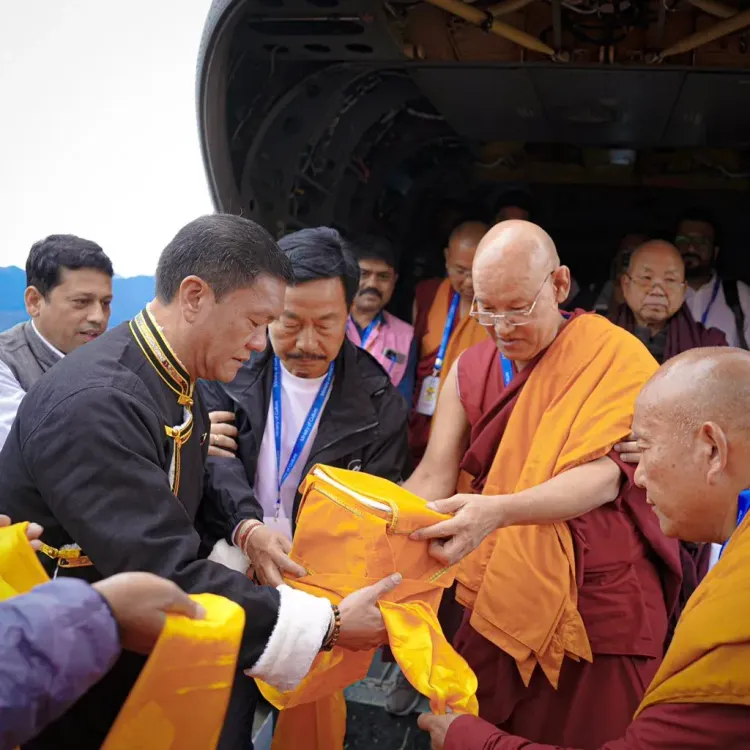
Arunachal Pradesh Chief Minister Pema Khandu received the sacred relics of Lord Buddha, Shakyamuni, at Tawang Air Force Station on October 31, 2026, after they arrived from New Delhi, calling it a historic and deeply humbling moment for the region's Buddhist faithful.
Key Takeaways
Sacred relics of Lord Buddha, Shakyamuni arrived at Tawang Air Force Station on October 31, 2026 .
Chief Minister Pema Khandu personally received the relics, which travelled from New Delhi .
Tawang is home to one of the largest Tibetan Buddhist monasteries outside Tibet, making it a deeply significant destination for the relics.
India periodically facilitates movement and display of Buddhist relics at heritage sites, coordinated between the Ministry of Culture , state governments, and monastic institutions.
Public viewing arrangements or processions at Tawang Monastery are anticipated in the coming days.
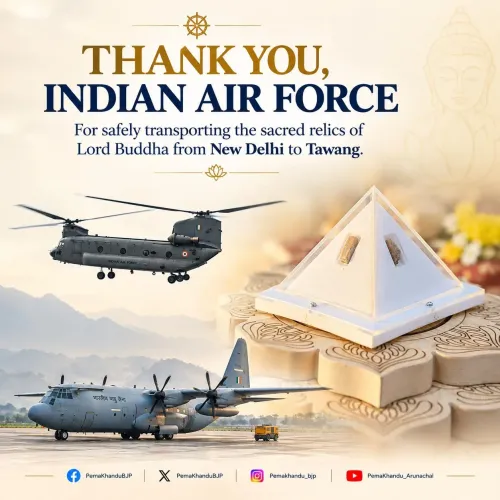
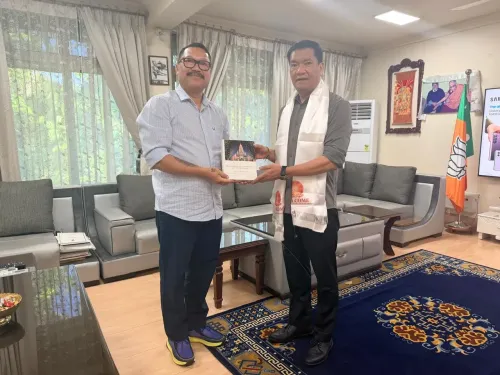
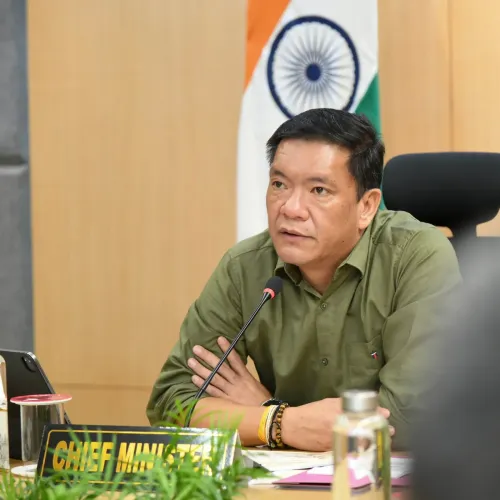
Sacred relics of Lord Buddha, Shakyamuni, touched down at Tawang Air Force Station on Saturday, October 31, 2026 — and for the Buddhist heartland of Arunachal Pradesh, the arrival carried the weight of centuries. Arunachal Pradesh Chief Minister Pema Khandu was present to receive the relics as they arrived from New Delhi, marking what he called 'a historic and deeply humbling moment' for Tawang and its people.
Relics land in India's Buddhist heartland
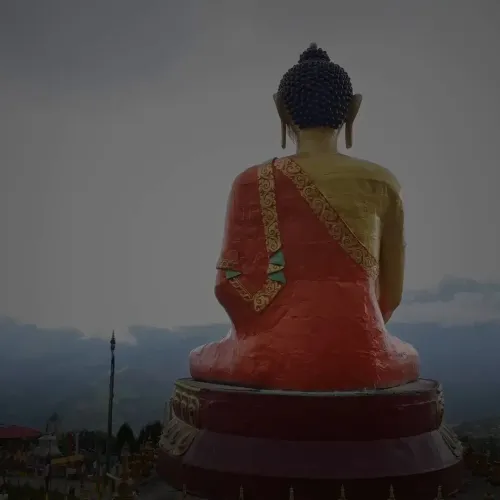
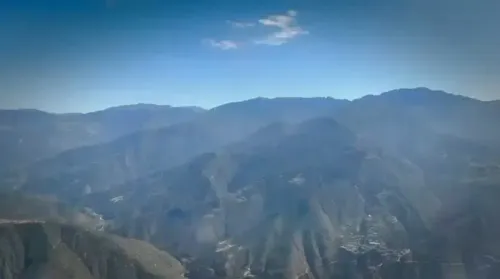
Tawang is no ordinary destination for a relic of this significance. Home to the Tawang Monastery — one of the largest Tibetan Buddhist monasteries in the world outside Tibet — the district sits at the confluence of faith, geography, and geopolitics in India's far northeast. The arrival of the Shakyamuni relics here is a moment that resonates far beyond the state's borders, touching Buddhist devotees across the subcontinent and the wider world.
CM Khandu described the relics as representing 'a profound connection with Lord Buddha, inspiring faith, compassion, wisdom and the pursuit of inner peace.' For the predominantly Buddhist communities of western Arunachal Pradesh, the sentiment is lived, not ceremonial.
New Delhi to Tawang: how the relics travelled
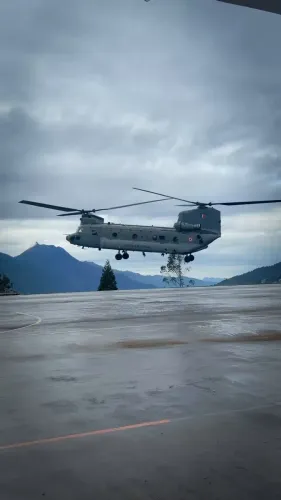
The relics made the journey from New Delhi via the Tawang Air Force Station, the high-altitude Indian Air Force facility that serves as the primary gateway for official arrivals into this remote district. India has a long-standing practice of facilitating the movement and public display of Buddhist relics at recognised heritage sites, typically coordinated between the Ministry of Culture, state governments, and local monastic institutions. The use of an Air Force station for the transfer underscores both the logistical challenges of reaching Tawang — perched above 10,000 feet — and the official gravity attached to the occasion.
What Tawang's faithful can expect next
With the relics now on Tawang soil, attention turns to public viewing arrangements. Past relic-display events across India have drawn tens of thousands of pilgrims over several days, with monastery courtyards and procession routes becoming focal points of collective devotion. Whether the Tawang Monastery or other local venues will host formal darshan programmes in the coming days remains to be announced — but the anticipation among local Buddhist communities is already palpable.
For CM Khandu, the moment is also a reminder of what makes Arunachal Pradesh singular: a state where ancient Tibetan Buddhist heritage and modern Indian sovereignty meet. The relics' arrival is both a spiritual milestone and a quiet signal of the cultural stewardship the state government is exercising in one of India's most strategically watched corners.
Point of View
Regional identity, and India's careful stewardship of its northeastern frontier. For the BJP-led state government, visibly anchoring Arunachal Pradesh's Buddhist heritage to the Indian state carries a subtle but unmistakable strategic message in a district that China continues to claim. CM Khandu's personal presence at the reception elevates the moment from administrative logistics to political symbolism. It also fits a broader pattern of the central and state governments using soft cultural power — relic tours, monastery restorations, Buddhist circuit tourism — to deepen ties with communities in India's geopolitically sensitive border zones.
NationPress
31 Oct 2026
Frequently Asked Questions
What relics arrived at Tawang on October 31 2026?
The sacred relics of Lord Buddha, Shakyamuni arrived at Tawang Air Force Station on October 31, 2026 , after being transported from New Delhi.
Who received the Buddha relics at Tawang?
Arunachal Pradesh Chief Minister Pema Khandu personally received the sacred relics at Tawang Air Force Station .
Why is Tawang significant for Buddhist relics?
Tawang is home to the Tawang Monastery , one of the largest Tibetan Buddhist monasteries in the world outside Tibet, making it one of the most spiritually important Buddhist sites in India.
Will there be a public viewing of the Buddha relics in Tawang?
Public viewing arrangements or processions at Tawang Monastery or other local venues are anticipated in the days following the relics' arrival, though specific schedules had not been officially announced at the time of the event.
How did the Buddha relics reach Tawang?
The relics travelled from New Delhi and arrived via the Tawang Air Force Station , the high-altitude Indian Air Force facility that serves as the main gateway for official arrivals into the district.