Giriraj Singh hails UPI hitting ₹29.9 lakh cr record
Synopsis
Union Textiles Minister Giriraj Singh on 2 June 2026 highlighted UPI reaching a record ₹29.9 lakh crore in transaction value and 23.2 billion in volume, attributing the milestone to the Modi government's Digital India programme and its push for financial inclusion and transparency.
Key Takeaways
Union Textiles Minister Giriraj Singh posted on X on 2 June 2026 citing UPI's record performance.
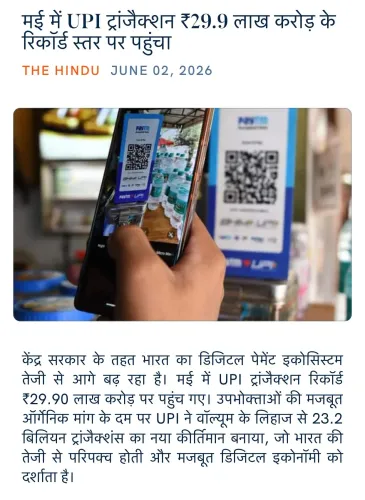
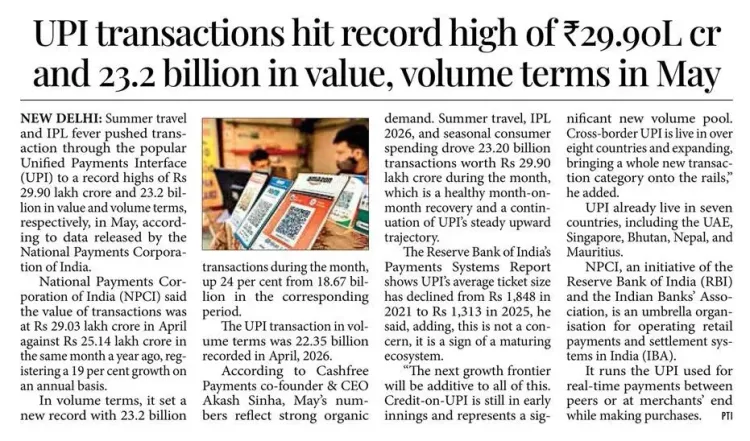
UPI transaction value reached a record ₹29.9 lakh crore ; volume touched 23.2 billion .
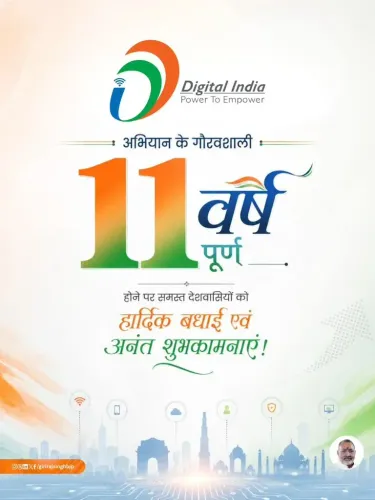
Singh attributed the milestone to the Digital India programme launched by PM Narendra Modi on 1 July 2015 .
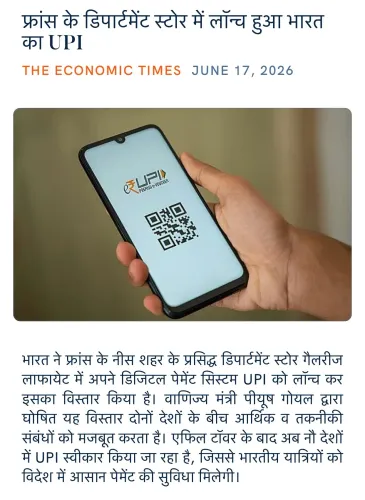
UPI , developed by NPCI , has been operational since April 2016 and underpins India's retail digital payments ecosystem.
The achievement is framed by the government as evidence of financial inclusion and improved transparency in welfare delivery.
Next NPCI quarterly data and possible policy links to MSME and textiles digitisation will be closely watched.
Union Textiles Minister Giriraj Singh on Tuesday, 2 June 2026 credited the BJP government's Digital India campaign under Prime Minister Narendra Modi for driving UPI transactions to a record value of ₹29.9 lakh crore and a volume of 23.2 billion, calling the milestone a symbol of growing public trust and a strengthened digital economy.
Context
Posting on X, Singh wrote — 'यूपीआई (UPI) ट्रांजैक्शन का ₹29.9 लाख करोड़ के रिकॉर्ड स्तर और 23.2 बिलियन वॉल्यूम पर पहुँचना देशवासियों के बढ़ते भरोसे और सशक्त डिजिटल अर्थव्यवस्था का प्रतीक है' — ('UPI transactions reaching the record level of ₹29.9 lakh crore and a volume of 23.2 billion is a symbol of citizens' growing trust and a strong digital economy.'). The minister attributed the achievement to the Digital India programme and tagged it under #DigitalIndia, #ViksitBharat, #AtmanirbharBharat, #GoodGovernance, and #NewIndia.
The post comes as the government continues to highlight digital public infrastructure metrics as proof of policy effectiveness ahead of upcoming budget and governance cycles.
Policy Backdrop
The Digital India programme was formally launched on 1 July 2015 with the stated goals of expanding digital infrastructure, enabling e-governance, and deepening financial inclusion. The Unified Payments Interface (UPI), developed by the National Payments Corporation of India (NPCI), became operational in April 2016 and has since become the backbone of retail digital payments in the country.
The programme built on an earlier foundation laid by Pradhan Mantri Jan Dhan Yojana, launched in August 2014, which brought millions of unbanked citizens into the formal financial system. Together, these initiatives — often referred to as the JAM trinity (Jan Dhan, Aadhaar, Mobile) — created the infrastructure over which UPI volumes have scaled year after year.
Successive record highs in both transaction value and volume have been reported each year, reflecting policy continuity across multiple Union Budgets and the consistent push by the government to position India as a global leader in digital payments.
Stakeholders and Impact
The scale of ₹29.9 lakh crore in transaction value underscores how deeply UPI has penetrated everyday commerce — from street vendors and kirana stores to large merchants and government welfare disbursements. For the fintech ecosystem, the milestone signals continued headroom for growth in credit, insurance, and investment products layered atop the payments rail.
For ordinary citizens, particularly those in smaller towns and rural areas, UPI has reduced dependence on cash and informal credit channels, directly advancing the financial inclusion objectives that Digital India was designed to achieve. Transparency in welfare delivery has also improved as direct benefit transfers increasingly route through the same digital infrastructure.
What's Next
Attention will now turn to the NPCI's next quarterly data release, which will indicate whether the June 2026 figures represent a sustained trend or a seasonal peak. Analysts and policymakers will also watch for any fresh policy moves that link the digital payments ecosystem to adjacent priorities such as MSME formalisation, textiles-sector digitisation, and export competitiveness — areas that fall within Singh's own ministerial brief. The government is widely expected to cite UPI growth metrics in its broader Viksit Bharat narrative ahead of key legislative and budgetary milestones.
Point of View
Viksit Bharat, and AtmanirbharBharat in a single post, the minister is consciously stitching together three distinct policy-brand arcs into one seamless story of economic transformation. The choice of a Textiles Minister — rather than the Finance or IT Ministry — to front this messaging suggests the party is deliberately broadening the pool of voices championing the digital economy story. Observers will note that framing UPI growth as a transparency and inclusion achievement also serves to pre-empt opposition critiques about the reach and equity of the government's economic model.
NationPress
21 Oct 2026
Frequently Asked Questions
What is the latest UPI transaction record in India?
According to Union Textiles Minister Giriraj Singh's post on 2 June 2026, UPI transactions reached a record value of ₹29.9 lakh crore and a volume of 23.2 billion.
What is the Digital India programme?
Digital India is a flagship central government initiative formally launched on 1 July 2015 by Prime Minister Narendra Modi, aimed at expanding digital infrastructure, enabling e-governance, and deepening financial inclusion across the country.
Who developed UPI in India?
UPI — the Unified Payments Interface — was developed by the National Payments Corporation of India (NPCI) and became operational in April 2016.
Why did Giriraj Singh post about UPI?
Singh posted on X to credit the BJP government's Digital India campaign for the record UPI figures, framing the milestone as evidence of growing public trust and a stronger digital economy under PM Modi's leadership.
How does UPI growth relate to financial inclusion in India?
UPI, built on the foundation of Jan Dhan bank accounts and Aadhaar-linked identity, has extended digital payment access to smaller towns and rural areas, reduced cash dependence, and improved transparency in government welfare transfers — all core objectives of the Digital India and Jan Dhan programmes.