Giriraj Singh links Dussehra to fight against fake medicines
Synopsis
On Vijayadashami 2026, Union Textiles Minister Giriraj Singh invoked Ravan Dahan to call for an end to fake medicine trading and illegal MRP overcharging, framing both as evils that society must resolve to defeat.
Key Takeaways
Union Textiles Minister Giriraj Singh posted a Vijayadashami message on 19 October 2026 connecting the festival's symbolism to consumer welfare issues.
He specifically called out the black-market trade in counterfeit medicines as an evil to be defeated.
He also flagged overcharging above MRP — the Maximum Retail Price — as a social malpractice linked to Ravan Dahan symbolism.
The post reflects a broader pattern of Indian political leaders attaching contemporary social concerns to major Hindu festivals.
Singh's ministry covers Textiles , placing the message outside his direct portfolio but within his role as a senior BJP leader.
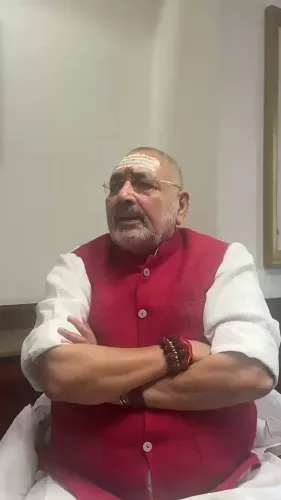
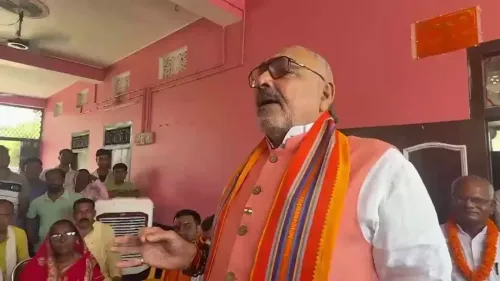
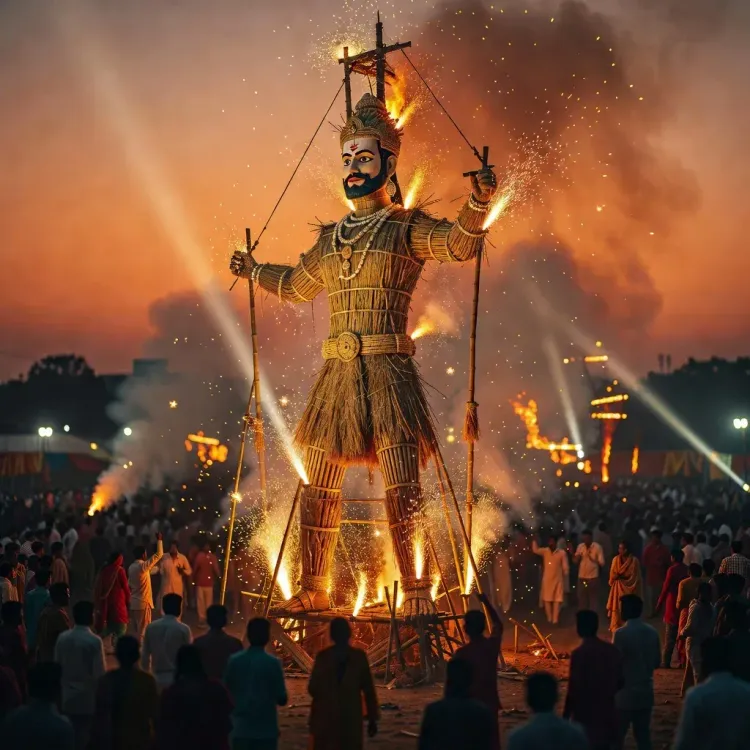
On Vijayadashami 2026, Union Textiles Minister Giriraj Singh turned the symbolism of Ravan Dahan into a pointed social message — invoking the festival's spirit of good triumphing over evil to call out two very modern wrongs: the black-market trade in counterfeit medicines and the overcharging of consumers beyond MRP.
Posting on Monday, 19 October, Singh wrote in Hindi: 'Vijayadashami ka parv hamein har us burai ke ant ka sankalp lene ki prerana deta hai, jo samaj aur janhit ko nuksan pahunchati hai' — 'The festival of Vijayadashami inspires us to resolve to end every evil that harms society and the public interest.' He added that linking Ravan Dahan to the 'black trade of fake medicines and the malpractice of charging more than MRP makes the resolve of good's victory over evil even more meaningful.'
Why fake medicines and MRP overcharging on Dussehra
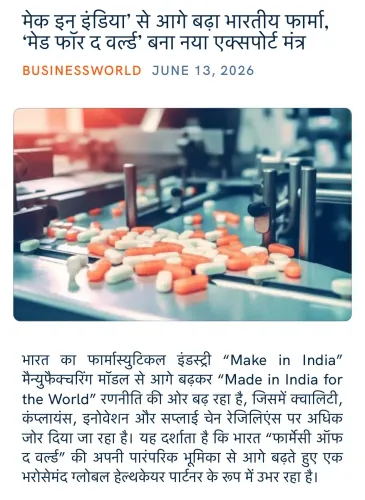
Indian political leaders routinely weave festival messages around contemporary social concerns, but Singh's choice of targets carries weight beyond symbolism. Counterfeit and substandard medicines are a documented public-health hazard, particularly in rural and semi-urban markets where regulatory oversight is thinner. Overcharging above the Maximum Retail Price — printed on every medicine strip and consumer product by law — is a persistent complaint from ordinary buyers, especially at chemist shops and pharmacies during high-demand periods.
Both issues sit at the intersection of consumer protection and public welfare, arenas that generate recurring enforcement drives by health and consumer affairs authorities. Singh's message, though ceremonial in framing, echoes those regulatory priorities and signals that the festival season can itself serve as a platform for civic awareness.
A Textiles Minister speaking beyond his portfolio
Singh holds the Textiles Ministry and represents Begusarai, Bihar in the Lok Sabha — neither portfolio directly governs pharmaceuticals or consumer pricing. Yet as a senior BJP leader, his public communications routinely extend to broader national concerns. The Dussehra post follows a well-worn template in Indian political communication: the festival as a moral mirror held up to social ills. What gives it a sharper edge is the specificity — not 'corruption' or 'crime' in the abstract, but the medicine rack at the neighbourhood chemist and the printed price on the box.
As Ravan effigies burn across the country today, Singh's message is a reminder that the oldest Indian narrative — good defeating evil — still finds new villains every year. The question enforcement agencies will have to answer is whether the symbolism translates into action.
Point of View
Rather than generic 'corruption,' signals an awareness that hyper-specific complaints resonate more deeply with voters than abstract pledges. Yet because the post stops at symbolism, with no announced enforcement action or policy step, it sits closer to political optics than policy signal. Analysts will watch whether health or consumer affairs authorities follow with any tangible drives during the festival season.
NationPress
19 Oct 2026
Frequently Asked Questions
What did Giriraj Singh say on Vijayadashami 2026?
He said Vijayadashami inspires a resolve to end every evil harming society, and linked Ravan Dahan to fighting the black-market trade in fake medicines and the practice of charging consumers more than the MRP.
What is Vijayadashami or Dussehra?
Vijayadashami, also known as Dussehra, is a major Hindu festival marking the victory of good over evil, celebrated with the burning of effigies of the demon king Ravan, symbolising the defeat of evil.
What are the rules on MRP overcharging for medicines in India?
Indian law requires that medicines be sold at or below the Maximum Retail Price printed on the package. Charging above MRP is illegal and subject to consumer protection and drug-pricing regulations.
Why is Giriraj Singh speaking about medicines when he is the Textiles Minister?
As a senior BJP leader and elected MP, Singh regularly issues statements on broad public-interest issues beyond his ministry's direct purview, particularly on festival occasions when political leaders traditionally address social concerns.
Are fake medicines a big problem in India?
Counterfeit and substandard medicines are a documented public-health concern in India, especially in areas with weaker regulatory oversight. Authorities periodically conduct enforcement drives, though the post does not reference any specific action.