Giriraj Singh honours Emergency fighters at Patna event
Synopsis
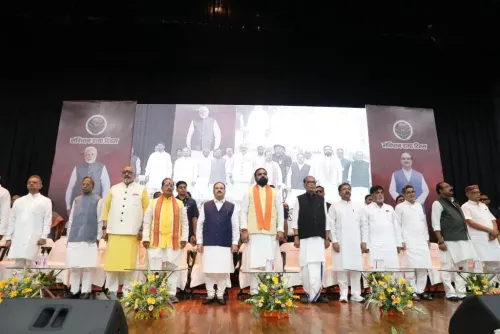
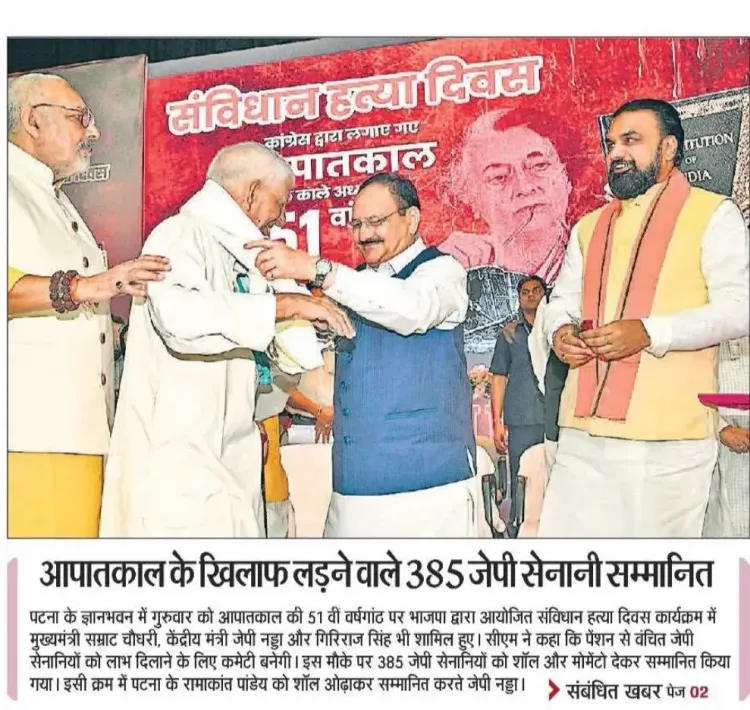
Union Textiles Minister Giriraj Singh on 26 June 2026 highlighted a Patna commemoration of Sanvidhan Hatya Diwas, where 385 individuals who resisted the 1975 Emergency were felicitated. Singh called remembering that 'dark era' the greatest lesson for sustaining democracy.
Key Takeaways
Union Textiles Minister Giriraj Singh posted about the Sanvidhan Hatya Diwas commemoration on 26 June 2026 .
The event was held in Patna, Bihar , and felicitated 385 individuals described as democracy fighters who resisted the 1975 Emergency .
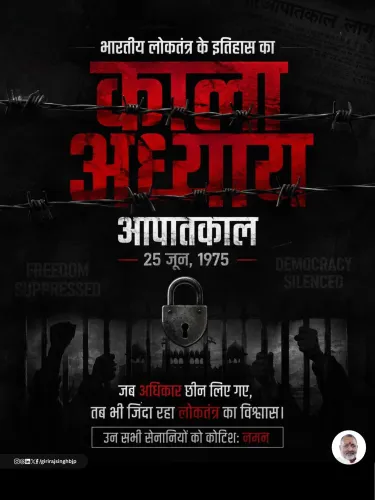
The national Emergency was proclaimed by Indira Gandhi on 25 June 1975 and lasted 21 months until March 1977 .
Singh framed the commemoration as a pledge to remember the era 'when the Constitution, democratic institutions and civil liberties were attacked.' The BJP has consistently held Emergency anniversary events across state capitals as part of its constitutional-history messaging.
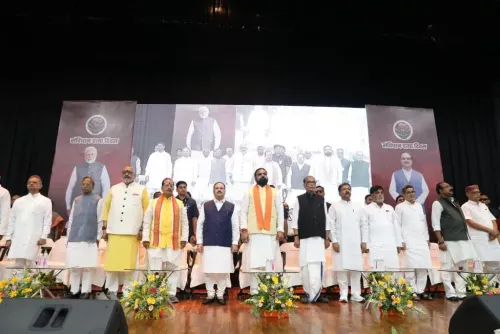
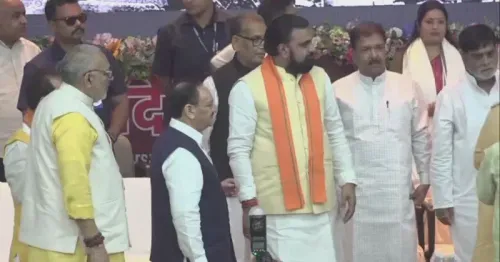
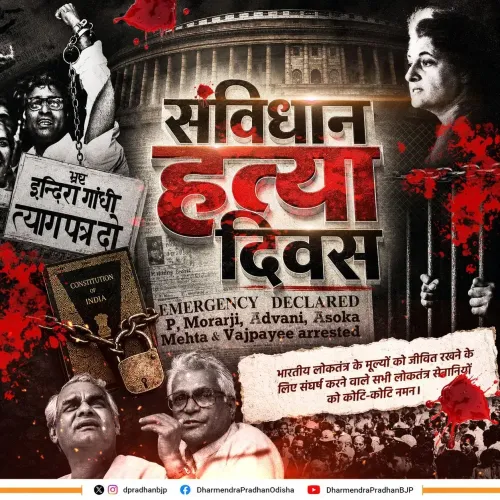
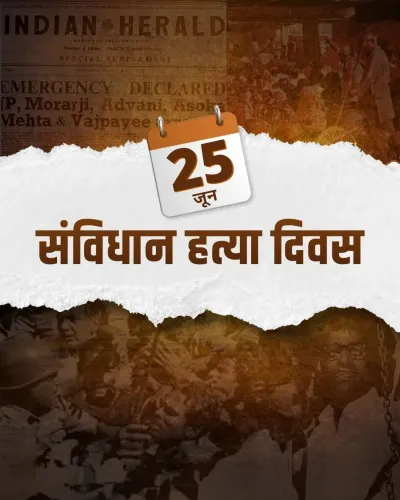
Union Textiles Minister Giriraj Singh on Friday, 26 June 2026, marked Sanvidhan Hatya Diwas (Constitution Murder Day) by sharing highlights from a commemoration held in Patna, where participants honoured those who resisted the 1975 Emergency and renewed a collective pledge to remember what he called a dark chapter in India's democratic history.
Context
Posting in Hindi on X, Giriraj Singh wrote that the Patna event felicitated 385 democracy fighters (loktantra senaniyon) who had struggled against the Emergency. He described the programme as both an act of honouring those who resisted injustice and a resolve to remember 'that dark era when the Constitution, democratic institutions and civil liberties were attacked.' He added: 'Remembering such mistakes of history is the greatest lesson for keeping democracy strong.'
The post carried the hashtags #संविधान_हत्या_दिवस, #Emergency and #आपातकाल, situating it within a coordinated commemorative campaign timed to the 25–26 June anniversary of the original proclamation.
Policy Backdrop
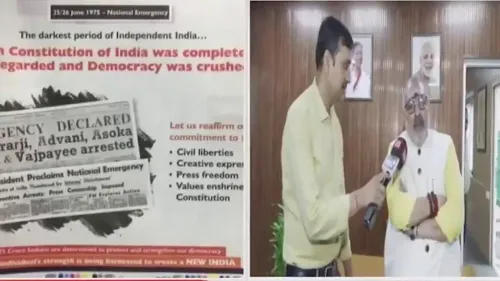
The national Emergency was proclaimed by then Prime Minister Indira Gandhi on 25 June 1975, citing internal disturbance. It lasted 21 months, during which civil liberties were suspended, the press was censored and opposition leaders were detained. The Emergency was lifted on 21 March 1977 after the announcement of fresh elections, which resulted in a decisive defeat for the Congress and the formation of the Janata Party government that subsequently restored constitutional provisions.
The BJP and its ideological ecosystem have consistently marked the June anniversary as a cautionary episode of institutional overreach, framing it as a contrast to their own stated commitment to constitutional governance. The designation Sanvidhan Hatya Diwas — Constitution Murder Day — reflects this political framing and has been observed across state capitals in recent years.
Stakeholders and Impact
The felicitation of 385 individuals described as democracy fighters places living witnesses of the Emergency period at the centre of the commemoration, lending personal testimony to what is otherwise a historical-political argument. For Bihar, a state with a strong tradition of socialist and opposition politics during the Emergency era — including the JP Movement led by Jayaprakash Narayan — such events carry particular resonance.
Civil liberties advocates and opposition veterans who participated in anti-Emergency resistance are the primary stakeholders being recognised. The event also feeds into a broader national conversation about the limits of executive power and the role of constitutional safeguards, themes that recur in parliamentary debates on institutional autonomy.
What's Next
Annual state-level commemorations around 25 June are expected to continue as a fixture in the BJP's political calendar. Statements and events from this cycle are likely to be referenced during upcoming parliamentary discussions on constitutional matters, particularly any debates touching on emergency provisions, press freedom or judicial independence. The Patna event, with its focus on living honorees, may also inform demands for formal recognition or welfare measures for Emergency-era detainees at the state or central level.
Point of View
Using living witnesses to give moral weight to a political argument about institutional overreach. By centering 385 named honorees, the event moves beyond rhetoric into the register of personal testimony — a harder narrative to dismiss as partisan. For Giriraj Singh, a Bihar MP with deep roots in the state's anti-Emergency political tradition, the post reinforces his credibility among a constituency that lived through the JP Movement. The annual June cycle of such events suggests the Emergency remains a durable mobilisation frame for the BJP, particularly as debates about executive power and constitutional safeguards continue to animate Indian public discourse.
NationPress
25 Sept 2026
Frequently Asked Questions
What is Sanvidhan Hatya Diwas?
Sanvidhan Hatya Diwas, or 'Constitution Murder Day,' is a commemoration observed on or around 25–26 June to mark the anniversary of the 1975 Emergency proclaimed by Prime Minister Indira Gandhi, during which civil liberties were suspended and democratic institutions were curtailed. The BJP and affiliated groups organise events on this date to remember those who resisted the Emergency.
What was the 1975 Emergency in India?
The national Emergency was proclaimed by Prime Minister Indira Gandhi on 25 June 1975, citing internal disturbance. For 21 months, civil liberties were suspended, the press was censored and opposition leaders were detained. It ended on 21 March 1977 when fresh elections were announced; Congress was subsequently defeated by the Janata Party.
Who are loktantra senani or democracy fighters?
Loktantra senani (democracy fighters) is a term used for individuals who were imprisoned, persecuted or actively resisted the 1975–77 Emergency. Several state governments have recognised such individuals with pensions or certificates of honour.
Why did Giriraj Singh post about the Patna Emergency event?
Giriraj Singh is a senior BJP leader and Union Textiles Minister who represents Begusarai in Bihar. He shared the post on 26 June 2026 to mark Sanvidhan Hatya Diwas and highlight a Patna ceremony that felicitated 385 people who resisted the Emergency, framing it as a lesson in safeguarding democracy.
What is the JP Movement and its connection to Bihar and the Emergency?
The JP Movement was a mass agitation led by socialist leader Jayaprakash Narayan in 1974–75, centred significantly in Bihar, demanding clean governance and the resignation of Indira Gandhi's government. It was one of the key triggers cited before the Emergency was imposed, and Bihar has since held a prominent place in Emergency-era commemorations.