Giriraj Singh Spotlights Women Entrepreneurs Driving Odisha's MSME Growth
Synopsis
Union Textiles Minister Giriraj Singh on July 30, 2026, spotlighted rising female entrepreneurship in Odisha as evidence of a 'new India,' linking government MSME schemes, Stand-Up India, and Atmanirbhar Bharat policy to the Viksit Bharat 2047 development vision.
Key Takeaways
Union Textiles Minister Giriraj Singh highlighted women's growing entrepreneurship in Odisha on July 30, 2026 .
He cited government financial support and MSME -friendly policies as key enablers of women-led enterprise.
The Atmanirbhar Bharat campaign (launched May 2020 ) included dedicated credit and revival packages for the MSME sector.
The Stand-Up India scheme (since 2016 ) provides bank loans specifically to women and SC/ST entrepreneurs for greenfield businesses.
Singh framed empowered women as the 'greatest strength' of the Viksit Bharat @2047 developed-nation vision.
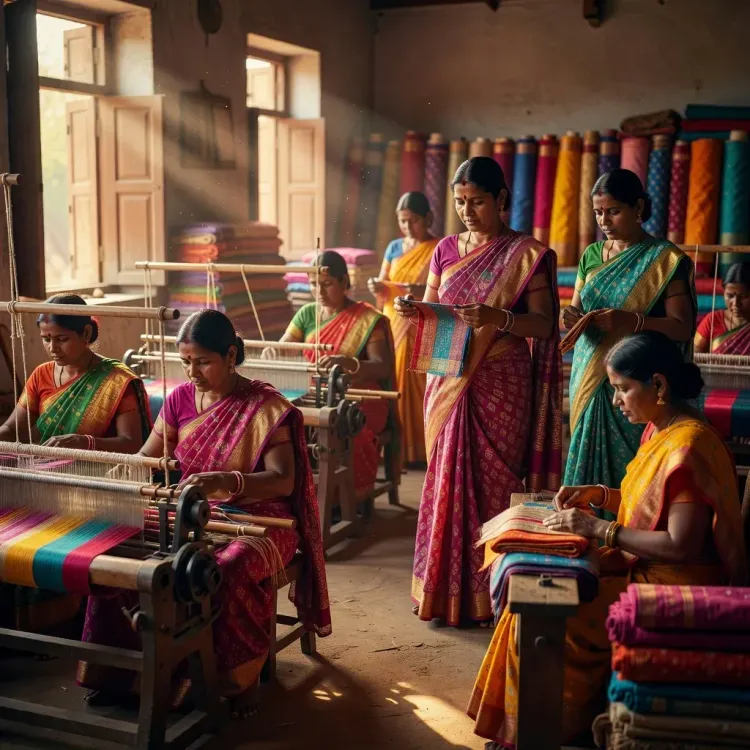
Odisha's textiles, handicrafts, and small manufacturing base make it a focal point for this policy narrative.
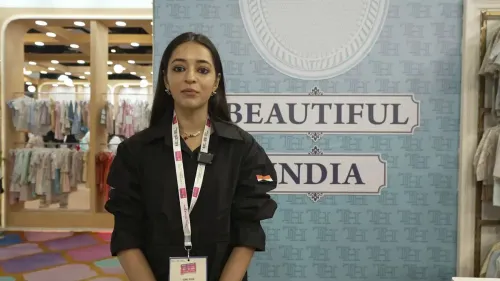
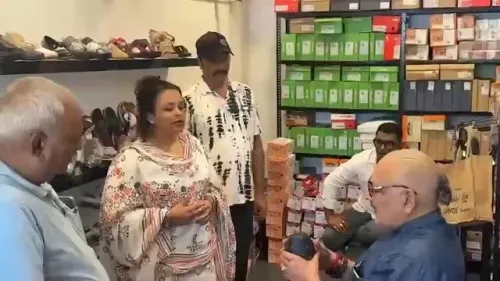
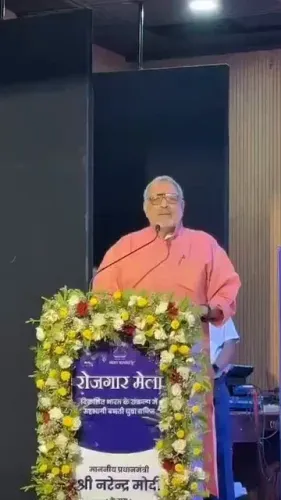
Women in Odisha are not waiting for opportunity — they are building it. Union Textiles Minister Giriraj Singh on Thursday, July 30, 2026, highlighted the rising tide of female entrepreneurship in the eastern state, calling empowered women the single greatest force behind India's development ambitions.
Posting in Hindi, the Minister wrote: 'Odisha mein mahilaon ki badhti udyamita naye Bharat ki badhalti tasveer pesh kar rahi hai' — 'The growing entrepreneurship of women in Odisha is presenting a changing picture of the new India.' He credited their hard work, innovation, and enterprise spirit, while pointing to government schemes, financial support, and MSME-friendly policies as the accelerant giving that journey fresh momentum.
MSME Policy as the Engine Behind Women-Led Enterprise
The framing is deliberate. Central government messaging has consistently positioned female entrepreneurship as both a welfare instrument and a growth driver within the Atmanirbhar Bharat framework launched in May 2020. That campaign bundled dedicated credit lines and revival packages for the MSME sector — the backbone of employment in states like Odisha, which carries a significant footprint in textiles, handicrafts, and small manufacturing.
The Stand-Up India scheme, operational since 2016, directly targets this constituency: it provides bank loans to women and SC/ST entrepreneurs for greenfield enterprises — businesses starting from scratch. Together, these policy rails are designed to convert aspiration into bankable ventures.
Viksit Bharat 2047 and the Stakes of Getting This Right
Singh closed with a sharp line that doubles as government doctrine: 'Sashakt Nari hi Viksit Bharat ki sabse badi taakat hai' — 'An empowered woman is the greatest strength of a developed India.' The phrase anchors the post squarely in the Viksit Bharat @2047 vision — the Prime Minister's long-term roadmap to make India a fully developed nation by the centenary of independence. Women's economic participation is not peripheral to that goal; in the government's telling, it is load-bearing.
Odisha's MSME ecosystem, combined with the state's artisan and textile traditions, makes it a natural showcase for this narrative. The next test will come in budget cycles and parliamentary committee reviews — whether the allocations for women-led MSMEs in states like Odisha match the rhetoric on the ground.
The picture being painted is clear. The question is whether the policy canvas is wide enough to fill it.
Point of View
Once a Congress and BJD stronghold, has seen the BJP consolidate power, and amplifying local women entrepreneurs reinforces both the development narrative and political presence. The consistent pairing of Atmanirbhar Bharat with NariShakti signals that female economic participation has moved from welfare optics to a core pillar of the 2047 growth thesis — but implementation scrutiny, particularly on credit access and scheme reach in eastern India, will define whether the narrative holds.
NationPress
30 Jul 2026
Frequently Asked Questions
What did Giriraj Singh say about women entrepreneurs in Odisha?
Union Textiles Minister Giriraj Singh said that the growing entrepreneurship of women in Odisha is presenting a changing picture of new India, and called empowered women the greatest strength of a developed India under the Viksit Bharat 2047 vision.
What government schemes support women entrepreneurs in India?
Key schemes include Stand-Up India (launched 2016), which provides bank loans to women and SC/ST entrepreneurs for greenfield enterprises, and the Atmanirbhar Bharat Abhiyan (2020), which included dedicated credit and revival measures for the MSME sector.
What is Viksit Bharat 2047?
Viksit Bharat @2047 is the Indian government's vision to make India a fully developed nation by 2047, the centenary of independence. It was outlined by the Prime Minister in 2022 as a long-term national development target.
What is the role of MSMEs in Odisha's economy?
Odisha has a significant presence in textiles, handicrafts, and small manufacturing, making the MSME sector a major source of employment and enterprise in the state, particularly for women artisans and entrepreneurs.
What is the Stand-Up India scheme?
Stand-Up India, launched in 2016, provides bank loans between Rs 10 lakh and Rs 1 crore to at least one woman and one SC/ST borrower per bank branch for setting up greenfield enterprises in manufacturing, services, or trading.