Giriraj Singh hails India's startup boom under PM Modi
Synopsis
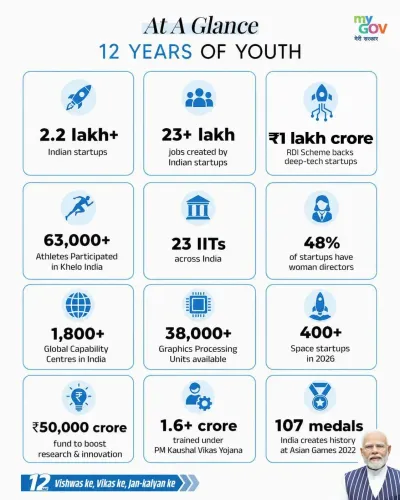
Union Textiles Minister Giriraj Singh on 22 June 2026 highlighted India's more than 2.5 lakh startups and 125-plus unicorns as proof of the country's innovation-led transformation under PM Modi, calling for greater speed and resolve in pursuit of the Viksit Bharat 2047 goal.
Key Takeaways
Giriraj Singh posted on 22 June 2026 citing more than 2.5 lakh startups and over 125 unicorns under PM Modi's government.
He described research, technological innovation and startup culture as the 'strong foundations of a developed India'.
The post is anchored to the Viksit Bharat 2047 vision, which targets developed-nation status by India's centenary of independence.
The Startup India programme, launched on 16 January 2016 , underpins the ecosystem through tax holidays, easier compliance and public procurement preferences.
The Fund of Funds for Startups and complementary schemes such as Digital India and the Atal Innovation Mission form the broader policy architecture.
The next DPIIT recognition report and 2026-27 Union Budget allocations will be key markers of continued government commitment.
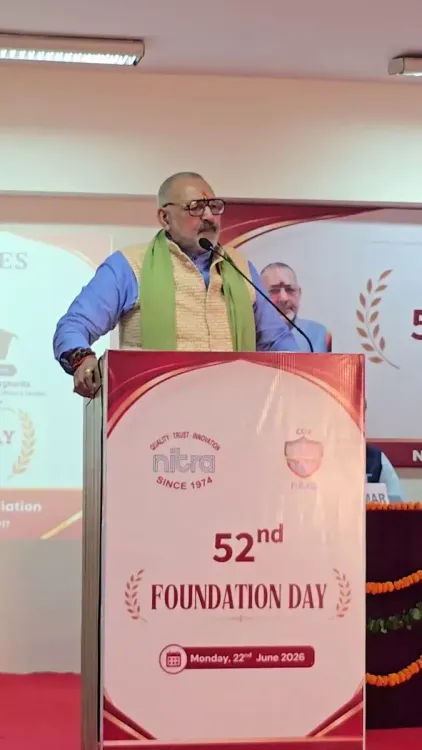
Union Textiles Minister Giriraj Singh on Monday, 22 June 2026 invoked India's startup surge to champion the Viksit Bharat 2047 vision, citing more than 2.5 lakh startups and over 125 unicorns as evidence of the country's transformation under Prime Minister Narendra Modi.
Context
Posting on X, Giriraj Singh wrote that India has entered a new era of innovation, research and entrepreneurship under PM Modi's leadership. Translated from Hindi, the post reads: 'Dhhai lakh se adhik startups, 125 se adhik unicorn' — 'More than two-and-a-half lakh startups, more than 125 unicorns and employment opportunities for millions of youth are proof that the new India is not merely dreaming but is also realising those dreams.'
The minister added that research, technological innovation and a startup culture are the 'strong foundations of a developed India', and called for greater speed, innovation and resolve in the country's development journey. He tagged the post with #ViksitBharat2047, #StartupIndia, #Innovation and #NewIndia.
Policy Backdrop
The Startup India programme was launched by PM Modi on 16 January 2016 with an action plan aimed at simplifying regulations, providing tax benefits and building a national entrepreneurship ecosystem. Registered startups under the scheme benefit from tax holidays, easier compliance norms and public procurement preferences.
The Viksit Bharat 2047 vision — formally articulated by the government in 2022-23 ahead of India's centenary of independence — places research, technology and entrepreneurship at the core of the country's ambition to become a developed nation by 2047. Complementary programmes including Digital India and the Atal Innovation Mission form part of the same broader push away from the legacy licence-raj framework toward a startup-friendly regulatory and fiscal environment.
Stakeholders and Impact
The primary beneficiaries of the ecosystem being highlighted are young entrepreneurs and DPIIT-registered startups, whose ventures span sectors from fintech and agritech to health and deep technology. The government's Fund of Funds for Startups has channelled capital to venture funds that back early-stage companies, amplifying private investment.
For millions of young Indians, the startup culture represents an alternative to traditional government or corporate employment. Unicorn valuations — companies valued at over $1 billion — signal to global investors that Indian ventures can scale to world-class size, reinforcing the country's position as the third-largest startup ecosystem globally.
What's Next
Attention will now turn to the next DPIIT startup recognition report, which will provide updated official figures on registered startups and recognised unicorns. Any fresh allocation for the Fund of Funds for Startups in the 2026-27 Union Budget will be closely watched as a signal of the government's continued commitment to the ecosystem.
With 2047 as the horizon, the government's narrative links every incremental startup milestone to the larger national goal of developed-country status — making the sector's health both an economic indicator and a political benchmark for the ruling dispensation.
Point of View
Registered-firm numbers — to reinforce the 'New India' brand ahead of electoral cycles. By linking the Textiles Minister's voice to the innovation narrative, the party signals that its Viksit Bharat messaging is a whole-of-cabinet effort, not merely a technology-ministry talking point. The choice of 2047 as the rhetorical anchor is deliberate: it frames every policy outcome as a chapter in a long national story, insulating the government from short-term performance scrutiny. Watch whether the 2026-27 Budget translates this rhetoric into fresh fiscal commitments for the startup ecosystem.
NationPress
21 Sept 2026
Frequently Asked Questions
What did Giriraj Singh say about startups in India?
On 22 June 2026, Union Textiles Minister Giriraj Singh posted on X stating that India now has more than 2.5 lakh startups and over 125 unicorns under PM Modi's leadership, calling these proof that 'new India is not merely dreaming but is also realising those dreams.'
What is Viksit Bharat 2047?
Viksit Bharat 2047 is the Indian government's official vision to make India a developed nation by 2047, the centenary of independence, with research, technology and entrepreneurship identified as core pillars.
When was Startup India launched?
The Startup India programme was launched by Prime Minister Narendra Modi on 16 January 2016, with an action plan to simplify regulations, offer tax benefits and build a national entrepreneurship ecosystem.
How many unicorns does India have in 2026?
According to Giriraj Singh's post on 22 June 2026, India has more than 125 unicorns — companies valued at over $1 billion — registered under the DPIIT-led startup ecosystem.
What is the Fund of Funds for Startups?
The Fund of Funds for Startups is a government-backed vehicle that channels capital to venture funds investing in early-stage Indian startups, amplifying private investment in the ecosystem.