Goa CM Sawant Hails PM Modi's Praise for Vikram-1 Launch
Synopsis
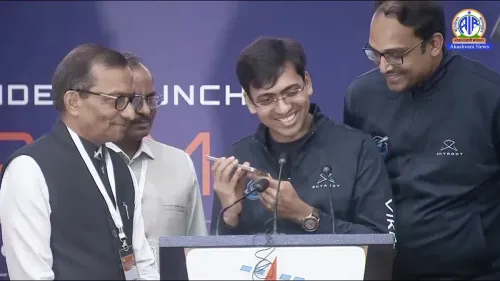
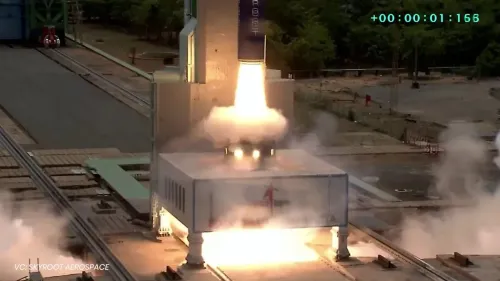
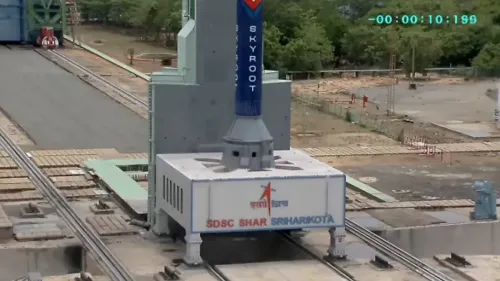
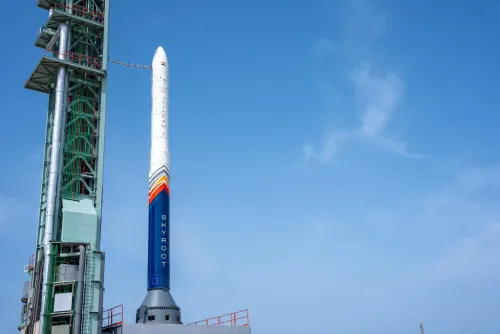
Goa Chief Minister Pramod Sawant on 18 July 2026 shared PM Narendra Modi's congratulatory message for Skyroot Aerospace's successful Vikram-1 rocket launch, calling it a defining moment in India's private space journey and a milestone for Atmanirbhar Bharat.
Key Takeaways
Goa CM Pramod Sawant amplified PM Modi 's praise for Skyroot Aerospace following the successful Vikram-1 launch on 18 July 2026 .
PM Modi said the achievement will 'inspire many more youngsters to touch the sky.' Skyroot Aerospace , founded in 2018 and headquartered in Hyderabad , developed the Vikram series of rockets for private commercial launch services.
The launch is a product of India's 2020 space sector reforms that allowed private firms to build and operate launch vehicles.
IN-SPACe was established in 2020 to regulate and promote non-governmental space activities in India.
The next milestone to watch is Skyroot 's planned Vikram-II orbital launch vehicle attempt.
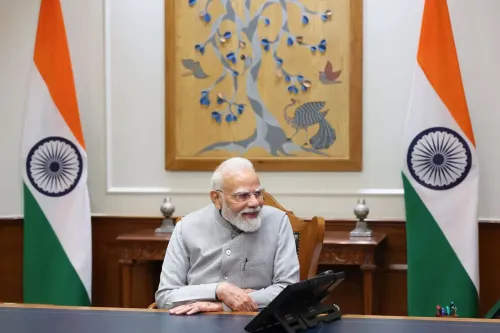
Goa Chief Minister Pramod Sawant on Saturday, 18 July 2026, shared Prime Minister Narendra Modi's congratulatory message for Skyroot Aerospace following the successful launch of the Vikram-1 rocket, calling it a defining moment in India's space journey. Sawant quoted the Prime Minister's words — 'This achievement will inspire many more youngsters to touch the sky' — amplifying the milestone across his social media.
Context
Skyroot Aerospace, a Hyderabad-based private space launch company founded in 2018, developed the Vikram-1 rocket as part of its broader Vikram series of launch vehicles. The successful launch marks a significant step for India's private space sector, with PM Modi personally recognising the achievement as a symbol of the country's growing technological self-reliance. CM Sawant's post reflects the BJP's broader effort to amplify space-sector milestones as evidence of Atmanirbhar Bharat in action.
Policy Backdrop
The launch is a direct product of India's landmark 2020 space sector reforms, which opened end-to-end launch services to private companies for the first time. The government simultaneously established IN-SPACe (Indian National Space Promotion and Authorisation Centre) to regulate and promote non-governmental space activity. These reforms were designed to expand India's share of the global space economy and position the country alongside commercial spaceflight leaders worldwide.
Since those reforms, private space startups have been able to design, build, and operate their own launch vehicles — a pathway that Skyroot Aerospace has pursued with the Vikram series. PM Modi has consistently framed such private-sector successes as proof that the liberalisation agenda is bearing fruit.
Stakeholders and Impact
The Vikram-1 launch carries significance well beyond the company itself. Young engineers and space startups across India stand to benefit from the credibility that a successful private launch brings to the ecosystem, potentially attracting investment and talent. The Prime Minister's explicit message — that the achievement will 'inspire many more youngsters' — signals an intent to use the milestone as a motivational touchstone for India's next generation of technologists.
For the broader space economy, a proven private launch capability reduces dependence on ISRO for commercial payloads and positions India as a competitive destination for global satellite launch contracts. Skyroot's success also validates IN-SPACe's regulatory framework as functional and effective.
What's Next
Attention now turns to Skyroot Aerospace's planned Vikram-II orbital vehicle, which would represent a significantly more complex engineering challenge than the suborbital Vikram-1. A successful orbital attempt would place India's private sector in a select group of nations with indigenous, commercially operated orbital launch capability. Observers will also watch for further IN-SPACe authorisations as more domestic startups move toward operational launch readiness.
The government's continued political endorsement of private space milestones suggests that launches of this nature will remain a prominent feature of India's Atmanirbhar Bharat narrative in the months ahead.
Point of View
State leaders reinforce a unified national narrative around Atmanirbhar Bharat, lending the space sector's success story a pan-India political resonance. The Vikram-1 launch, coming from a private startup enabled by the 2020 reforms, gives the government a concrete, apolitical achievement to champion. If Skyroot follows through with a successful orbital launch, expect that narrative to intensify significantly.
NationPress
17 Oct 2026
Frequently Asked Questions
What is Vikram-1 and who made it?
Vikram-1 is a rocket developed by Skyroot Aerospace, a private Indian space company founded in 2018 and headquartered in Hyderabad. It is part of the Vikram series of launch vehicles designed for commercial space launches.
What did PM Modi say about the Vikram-1 launch?
PM Narendra Modi congratulated Skyroot Aerospace on the successful launch and said, 'This achievement will inspire many more youngsters to touch the sky,' framing it as a defining moment in India's space journey.
Why did Goa CM Pramod Sawant post about a space launch?
CM Sawant shared PM Modi's congratulatory message to amplify the milestone on social media, reflecting the BJP's broader effort to highlight private-sector space achievements as proof of Atmanirbhar Bharat.
What are India's 2020 space sector reforms?
In 2020, the Government of India opened the space sector to private companies, allowing them to build and operate their own launch vehicles and satellites. It also created IN-SPACe to regulate and promote non-governmental space activity.
What comes after Vikram-1 for Skyroot Aerospace?
Skyroot Aerospace is developing the Vikram-II orbital launch vehicle, which would be a more complex step beyond the Vikram-1 and could place India's private sector among nations with commercially operated orbital launch capability.