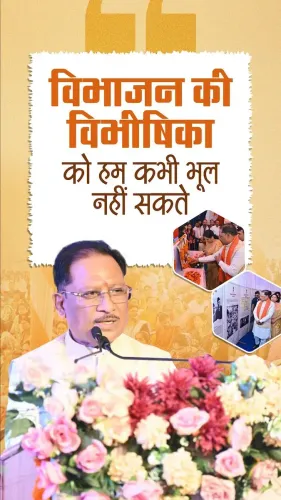
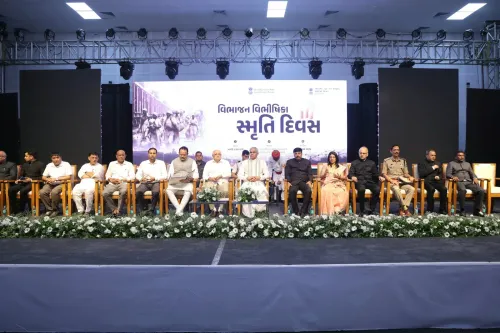
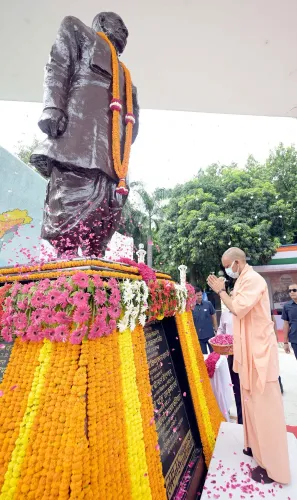
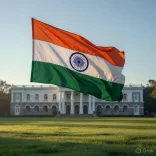
Goa CM Sawant marks Vibhajan Vibhishika Smriti Diwas
Synopsis
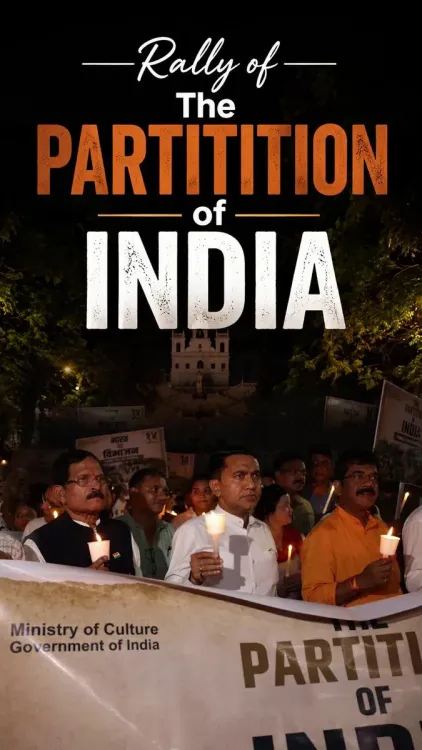
Goa Chief Minister Pramod Sawant observed Vibhajan Vibhishika Smriti Diwas on 15 August 2026, honouring the pain and sacrifice of millions displaced during the 1947 Partition, in line with the national commemoration declared by the Government of India in 2021.
Key Takeaways
Goa CM Pramod Sawant marked Vibhajan Vibhishika Smriti Diwas on 15 August 2026 .
Vibhajan Vibhishika Smriti Diwas is observed annually on 14 August , the eve of Independence Day.
The Government of India declared the observance in 2021 to commemorate suffering caused by the 1947 Partition .
Sawant honoured 'the immense pain, displacement, and loss endured by millions' and their courage and sacrifice.
BJP-led state governments routinely align with the national Partition remembrance mandate.
On Independence Day, 15 August 2026, Goa Chief Minister Pramod Sawant joined the nation in observing Vibhajan Vibhishika Smriti Diwas — the day set aside each year to confront one of history's most painful chapters: the 1947 Partition of India.
CM Sawant wrote that the observance was a moment for 'remembering the immense pain, displacement, and loss endured by millions during Partition, while honouring their courage and sacrifice.' The words are spare, but the history behind them is not.
A wound turned into a date
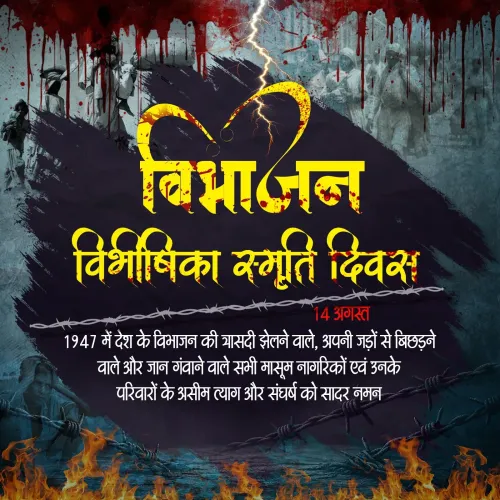
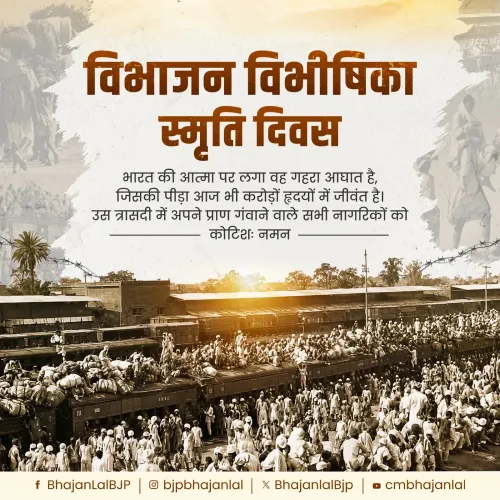
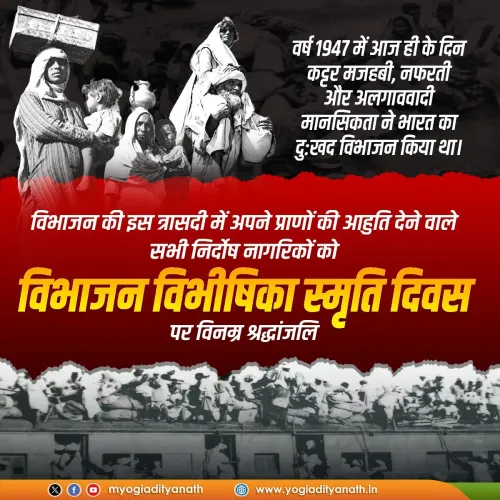
In 2021, the Government of India declared 14 August — the eve of Independence Day — as Vibhajan Vibhishika Smriti Diwas. The choice of date is deliberate: the night before freedom was also the night of fracture. Millions were displaced, countless lives were lost, and entire communities were uprooted in what remains one of the largest forced migrations in human history.
The observance asks the country to hold both truths at once — the pride of independence and the grief of division. BJP-led state administrations, including Goa, have consistently aligned with the national commemoration since its inception.
Remembrance as state policy
Institutionalising memory is a deliberate act of governance. By anchoring Partition remembrance to the calendar, the central government has ensured that the suffering of Partition survivors and their descendants is not quietly folded into the broader independence narrative. State-level statements like Sawant's extend that mandate from New Delhi to every corner of the country.
The kicker is simple: as the last survivors of 1947 age into their final years, the annual ritual of remembrance carries an urgency no policy memo can manufacture — because soon, there will be no living witnesses left to remember alongside us.
Point of View
The political salience of such commemorations is likely to grow, not fade, making them an enduring feature of India's independence-week calendar.
NationPress
15 Aug 2026
Frequently Asked Questions
What is Vibhajan Vibhishika Smriti Diwas?
Vibhajan Vibhishika Smriti Diwas is an annual observance on 14 August to commemorate the suffering, displacement, and loss of life caused by the 1947 Partition of India . The Government of India declared it in 2021 .
Why is Vibhajan Vibhishika Smriti Diwas observed on 14 August?
14 August — the eve of India's Independence Day — was chosen because it coincides with the moment of Partition, linking the grief of division directly to the celebration of freedom.
What did Goa CM Pramod Sawant say on Partition Remembrance Day 2026?
CM Sawant said the day was for 'remembering the immense pain, displacement, and loss endured by millions during Partition, while honouring their courage and sacrifice.'
When did India declare 14 August as Partition Remembrance Day?
The Government of India declared 14 August as Vibhajan Vibhishika Smriti Diwas in 2021 .
How many people were displaced during the 1947 Partition of India?
The 1947 Partition triggered one of the largest forced migrations in history, displacing millions of people between the newly formed nations of India and Pakistan , with enormous loss of life.