Goa CM Sawant Signs Five-Year MoU with Art of Living
Synopsis
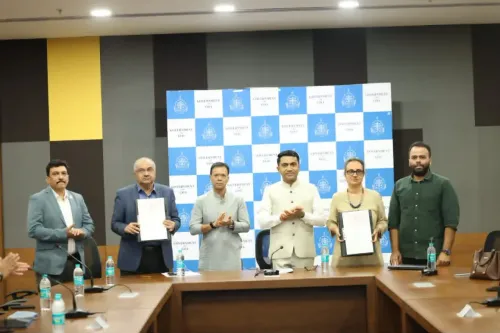
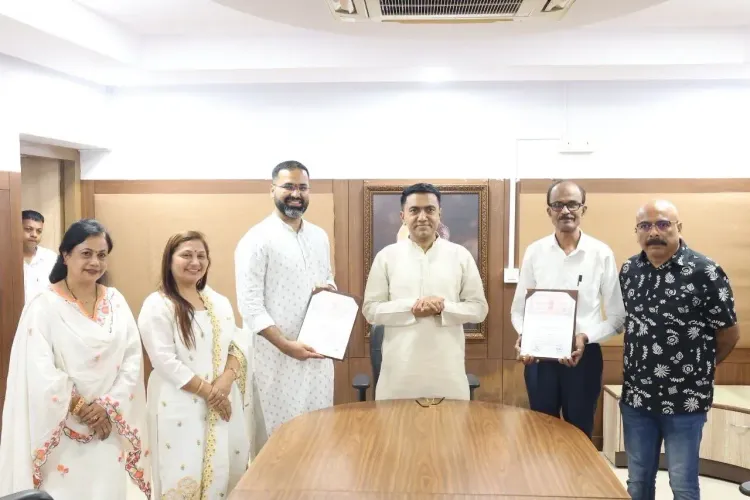
Chief Minister Dr. Pramod Sawant signed a five-year Overarching MoU between the Government of Goa and The Art of Living on 25 September 2026, formalising a partnership focused on social, rural and community development initiatives across the state.
Key Takeaways
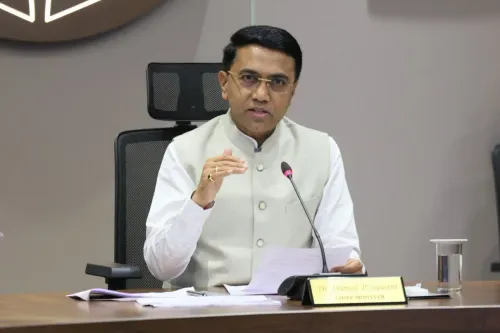
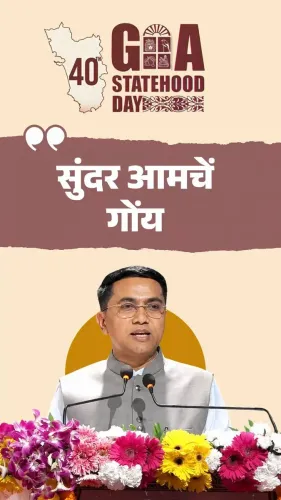
Pramod Sawant presided over the MoU signing between the Government of Goa and The Art of Living on 25 September 2026 .
The agreement is described as 'overarching' and spans five years , covering social, rural and community development.
The Art of Living , founded by Sri Sri Ravi Shankar , is an international NGO with a strong rural-development track record across India.
Specific project lists, budgets and implementation timelines were not disclosed at the signing ceremony.
The partnership follows a broader pattern of Indian state governments collaborating with established NGOs to supplement official welfare programmes.
Progress will hinge on rollout details, taluka-level targeting, and whether annual reports are made publicly available.
Goa just formalised a five-year alliance aimed squarely at its villages. On Friday, 25 September 2026, Chief Minister Dr. Pramod Sawant presided over the signing of an Overarching Memorandum of Understanding between the Government of Goa and The Art of Living, committing both partners to a sustained push on social, rural and community development across the state.
What the MoU commits Goa and Art of Living to
The agreement spans five years and is described as 'overarching' — a framework umbrella under which specific projects are expected to be rolled out. While the precise project list and financial terms were not disclosed at the signing, such government-NGO partnerships in India typically cover skill training, health camps, rural infrastructure support and stress-management or wellness programmes — areas where Art of Living has an established national track record.
Art of Living, the international NGO founded by Sri Sri Ravi Shankar, has operated across Indian states in exactly these domains for decades, supplementing official welfare schemes with on-ground community programmes. Its footprint in rural India makes it a credible operational partner for a state government looking to amplify reach without expanding bureaucracy.
Why Goa, why now
Dr. Pramod Sawant, who has led Goa's BJP government since 2019, has consistently emphasised infrastructure and grassroots development alongside the state's dominant tourism economy. A structured five-year MoU signals an intent to build durable rural institutions rather than one-off interventions. Goa's smaller geographic size and relatively high per-capita income can mask pockets of uneven rural development — the kind of gap a well-resourced NGO partner is positioned to address at community level.
Indian state governments have periodically turned to established NGOs and spiritual organisations to supplement official rural programmes, a model that keeps delivery costs lean while leveraging the NGO's volunteer network and community trust. The longevity of this particular agreement — five years — sets it apart from shorter, event-specific tie-ups and suggests a more structured accountability framework is planned.
What to watch as the partnership takes shape
The real test will arrive in the rollout: which talukas get prioritised, how project targets are monitored, and whether annual progress reports are made public. Civil society groups and local development bodies will be watching to see how the 'overarching' umbrella translates into tangible village-level outcomes. The Goa government has signalled intent; delivery will define the legacy.
Point of View
The tie-up reinforces a governance narrative centred on rural uplift — a useful political asset in a state where tourism dominates headlines but hinterland development remains a quieter priority. The 'overarching' framing suggests ambition, but the absence of disclosed targets or budgets means the agreement is, for now, more signal than substance. Whether this becomes a genuine policy force-multiplier or a ceremonial MoU gathering dust depends entirely on the institutional rigour both partners bring to annual reviews.
NationPress
25 Sept 2026
Frequently Asked Questions
What is the Goa government Art of Living MoU about?
The MoU is a five-year Overarching Memorandum of Understanding signed on 25 September 2026 between the Government of Goa and The Art of Living, focused on social, rural and community development initiatives in the state.
Who signed the MoU on behalf of the Goa government?
Chief Minister Dr. Pramod Sawant presided over the signing ceremony, representing the Government of Goa.
What is The Art of Living organisation?
The Art of Living is an international NGO founded by Sri Sri Ravi Shankar. It runs stress-management, health, skill-training and rural-development programmes across India and globally.
How long is the Goa-Art of Living partnership?
The partnership is for five years under the terms of the Overarching MoU signed in September 2026.
What projects will come under the Goa and Art of Living MoU?
Specific projects have not been publicly disclosed yet. Such government-NGO frameworks in India typically include skill training, health camps, village infrastructure and community wellness programmes, but the exact project list for Goa will emerge during rollout.