What does Goa Liberation Day signify in our national journey?
Click to start listening
Synopsis
On Goa Liberation Day, Prime Minister Narendra Modi reflects on the courageous spirit of those who fought against injustice and their enduring legacy. This pivotal moment in India's history showcases the struggle for freedom and the transformation of Goa into a vibrant state.
Key Takeaways
- Goa Liberation Day marks the end of Portuguese colonial rule in 1961.
- The day is a reminder of the indomitable spirit of those who fought for freedom.
- Operation Vijay was a successful military campaign to liberate Goa.
- Post-liberation, Goa evolved into a prominent tourism destination.
- The cultural heritage of Goa reflects a blend of Portuguese influences and Indian traditions.
New Delhi, Dec 19 (NationPress) On Goa Liberation Day, Prime Minister Narendra Modi emphasized that this day serves as a reminder of a pivotal chapter in India's national narrative, highlighting the unyielding spirit of those who stood against injustice and bravely fought for freedom with unwavering resolve.
In a message shared on social media platform X on Friday, Prime Minister Modi stated, "Goa Liberation Day reminds us of a defining chapter in our national journey. We recall the indomitable spirit of those who refused to accept injustice and fought for freedom with courage and conviction. Their sacrifices continue to inspire us as we work towards the all-round progress of Goa."
Goa achieved liberation on this day in 1961.
After India gained independence in 1947, the Indian government made numerous diplomatic attempts to persuade Portugal to transfer Goa amicably. However, Portugal dismissed all negotiations and maintained its claim over Goa as an overseas province. This inflexible stance led to an escalation of the Goa Liberation Movement, with increasing involvement from local leaders and the public.
In 1946, notable leaders like Dr. Ram Manohar Lohia and Dr. Juliao Menezes openly defied Portuguese restrictions by organizing public protests in Goa. Their courageous actions sparked widespread resistance among Goans and fueled the momentum of the freedom struggle against colonial rule.
Peaceful protests, strikes, and civil disobedience became commonplace in the region. In retaliation, the Portuguese administration resorted to arrests, censorship, and force to quell dissent. Many freedom fighters faced imprisonment, while others were compelled to operate clandestinely. Despite intense repression, the resolve of the Goan populace remained unshaken.
T.B. Cunha is often hailed as the "Father of Goan Nationalism" for initiating the first organized movement aimed at ending Portuguese rule in Goa. After completing his education in France, Cunha returned to India during Mahatma Gandhi's mass movements against imperial rule and committed himself to the liberation cause.
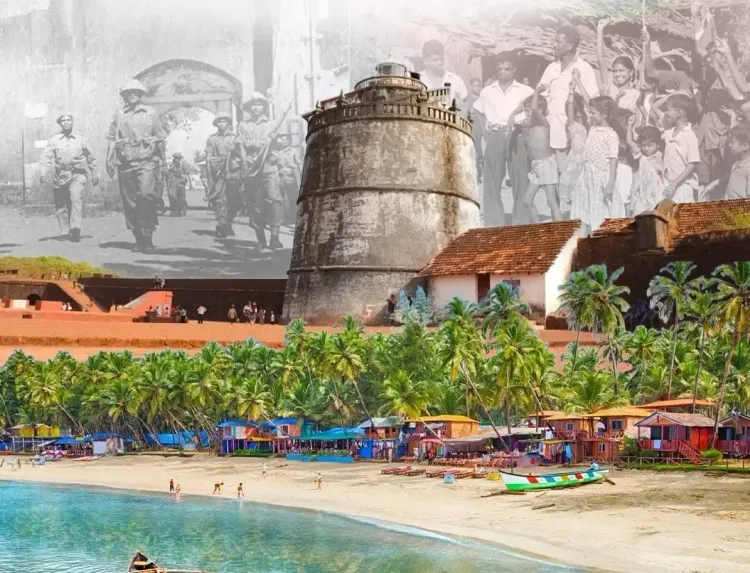
In December 1961, Prime Minister Jawaharlal Nehru sanctioned a decisive military operation to liberate Goa, Daman, and Diu. Dubbed Operation Vijay, this collaborative effort involved the Indian Army, Navy, and Air Force. The mission was meticulously orchestrated to minimize casualties and was successfully executed within 36 hours. On December 19, 1961, Portuguese Governor-General Manuel António Vassalo e Silva surrendered unconditionally.
Post-liberation, Goa was designated a Union Territory in 1961 and achieved full statehood in 1987.
The liberation ushered in profound political, social, and economic transformations. Goa transitioned from a colonial economy to one of India's premier tourism destinations, while the Portuguese influences in architecture, language, cuisine, and festivals evolved into a unique cultural identity rather than symbols of foreign rule.
Point of View
It is crucial to acknowledge the significance of Goa Liberation Day as a testament to the resilience and courage of those who fought against colonial oppression. This day serves not only as a reminder of our past struggles but also as an inspiration for the ongoing journey towards justice and equality in our society.
NationPress
21/12/2025
Frequently Asked Questions
What is Goa Liberation Day?
Goa Liberation Day commemorates the liberation of Goa from Portuguese colonial rule on December 19, 1961.
Why is Goa Liberation Day important?
It is significant as it marks the end of colonial oppression in Goa and celebrates the courage of those who fought for freedom.
Who were the key figures in the Goa Liberation Movement?
Prominent figures include Dr. Ram Manohar Lohia, Dr. Juliao Menezes, and T.B. Cunha, who played vital roles in organizing protests and mobilizing support.
What was Operation Vijay?
Operation Vijay was the military operation conducted by India to liberate Goa, Daman, and Diu from Portuguese rule in December 1961.
What changes occurred in Goa after liberation?
Post-liberation, Goa transformed politically, socially, and economically, developing into a leading tourism destination in India.