Goa Joins Global Yoga Day Celebration on 21 June

Synopsis
The Chief Minister's Office of Goa joined the global observance of International Day of Yoga on 21 June 2026, describing yoga as India's timeless gift to humanity. The UN-designated day, proposed by PM Modi in 2014, now sees participation from over 190 countries, with Goa leveraging the occasion for wellness tourism and cultural diplomacy.
Key Takeaways
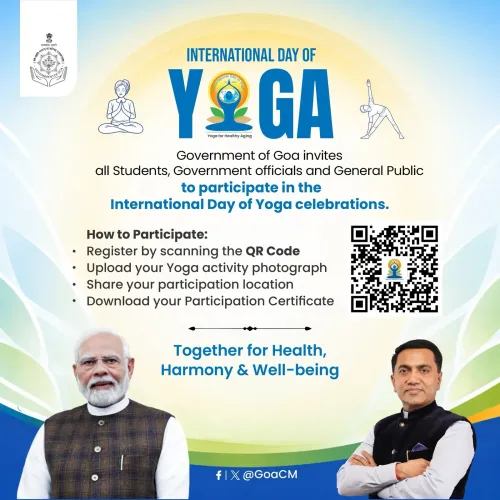
The Chief Minister's Office of Goa marked the International Day of Yoga on 21 June 2026 , joining global celebrations.
The United Nations General Assembly designated 21 June as International Day of Yoga in December 2014 via Resolution 69/131 , supported by 175 member states .
The day was proposed by Prime Minister Narendra Modi at the UN General Assembly in September 2014 .
More than 190 countries now participate in the annual observance, which India uses as a soft-power and cultural-diplomacy tool.
Goa's wellness and retreat economy makes it a natural stakeholder in yoga-linked tourism promotion.
Future state budget and tourism-policy decisions on yoga infrastructure and instructor training will determine Goa's long-term commitment.
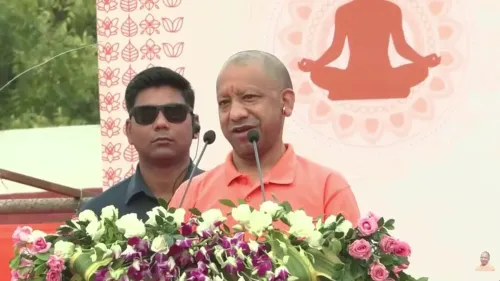
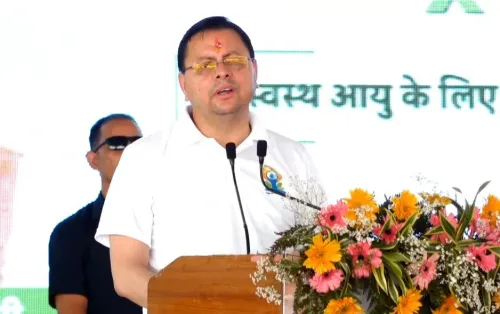
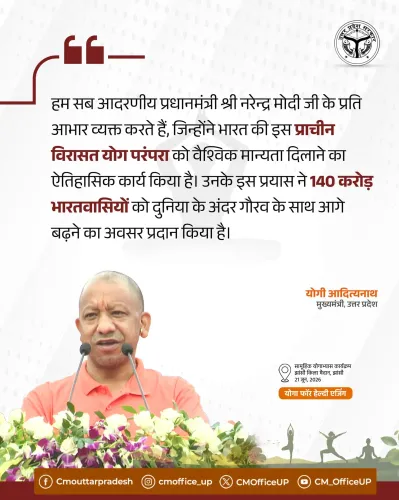
The Chief Minister's Office of Goa marked the International Day of Yoga on 21 June 2026, joining communities across the world in celebrating what the post called 'India's timeless gift to humanity.'
Context
Every year on 21 June, nations across the globe observe the International Day of Yoga, a designation established by the United Nations General Assembly in December 2014 through Resolution 69/131. The resolution was adopted unanimously, supported by 175 member states, making it one of the fastest UN resolutions to receive such broad backing. The day has since grown into one of the most widely observed cultural observances linked to India's civilisational heritage.
The proposal for the day originated with Prime Minister Narendra Modi, who raised it during his address to the UN General Assembly in September 2014, describing yoga as a holistic practice beneficial to mind, body, and society. Goa's participation this year reflects the state's alignment with that national and global momentum.
Policy Backdrop
Since the first observance in 2015, India has used the International Day of Yoga as a consistent instrument of soft power, with participation now spanning more than 190 countries. State governments have increasingly integrated the occasion into public-health messaging and tourism promotion, positioning yoga as both a wellness offering and a cultural identity marker.
Goa, with its well-established wellness and retreat economy alongside its beaches and heritage sites, has a natural stake in this ecosystem. The state's yoga and wellness tourism sector draws both domestic and international visitors, and the annual observance reinforces that positioning in the public imagination.
Stakeholders and Impact
The immediate beneficiaries of heightened yoga visibility include Goa's wellness industry, yoga instructors, retreat operators, and practitioners across the state. The broader tourism sector also stands to gain as global interest in yoga-linked travel continues to grow.
For ordinary citizens, the day carries a public-health dimension: mass yoga sessions at public spaces have been a feature of the observance in states across India, encouraging physical activity and mindfulness at a community level. The Chief Minister's Office framing the occasion as 'India's timeless gift to humanity' underlines the cultural pride that runs through the state's participation.
What's Next
The longer-term question for Goa is how the state translates the symbolic energy of the International Day of Yoga into durable policy. Analysts and industry stakeholders will watch for budget allocations or tourism-policy updates targeting yoga infrastructure, instructor training programmes, and wellness-tourism certification in the coming fiscal year. India's broader diplomatic use of yoga continues to evolve, and state-level commitments will determine how much of that momentum translates into tangible economic and public-health outcomes for Goa.
Point of View
Now institutionalised across all levels of Indian government. The framing of yoga as 'India's timeless gift to humanity' echoes the diplomatic language first deployed at the United Nations in 2014, signalling that state governments have fully absorbed the Centre's messaging. For Goa specifically, the stakes are partly economic: the state's wellness-tourism brand is inseparable from yoga's global profile, giving the annual observance a commercial rationale beyond the ceremonial. The real test will come in budget season, when symbolic participation must translate into concrete investment in yoga infrastructure and training if the state is to capitalise on sustained global demand.
NationPress
20 Sept 2026
Frequently Asked Questions
When is International Day of Yoga celebrated?
International Day of Yoga is celebrated every year on 21 June , a date designated by the United Nations General Assembly through Resolution 69/131 in December 2014.
Who proposed International Day of Yoga at the United Nations?
Prime Minister Narendra Modi proposed the International Day of Yoga during his address to the UN General Assembly in September 2014 , and the resolution was adopted within three months.
How did Goa observe International Day of Yoga 2026?
The Chief Minister's Office of Goa posted on 21 June 2026 marking the state's participation in the global celebration, describing yoga as 'India's timeless gift to humanity.' Specific events and attendance figures from the state have not been independently verified.
Why does India celebrate International Day of Yoga?
India treats International Day of Yoga as a cultural-diplomacy tool to promote its civilisational heritage globally. Since 2015, the day has seen participation from over 190 countries and is used domestically to advance public-health and wellness-tourism goals.
What is Goa's connection to yoga tourism?
Goa has a well-established wellness and retreat economy that draws domestic and international visitors. The state integrates yoga into its tourism promotion alongside its beaches and heritage sites, making the annual observance commercially significant for the sector.