WhatsApp username rollout halted: Centre issues Meta a 3-day notice

Synopsis
India has put the brakes on WhatsApp's username rollout — a feature Meta says protects phone-number privacy — by issuing Meta a 3-day notice and ordering a halt until government consultations wrap up. With hundreds of millions of Indian users at stake and SIM-binding laws in the mix, this is a direct clash between platform privacy design and India's digital fraud-prevention architecture.
Key Takeaways
The Centre issued a formal notice to Meta on 1 July over the proposed WhatsApp username feature.
Meta has been given three days to submit a detailed explanation and directed not to launch the feature in India in the interim.
Meta had not publicly responded to the notice as of the time of reporting.
Under the Telecom Cyber Security Rules, 2024 , messaging platforms must link accounts to verified mobile numbers — a requirement the username feature could complicate.
Cyber-security experts and entrepreneur Ankur Warikoo have flagged impersonation and scam risks if robust anti-abuse systems are not in place.
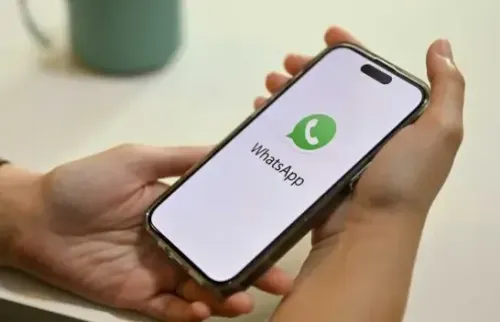
The Centre on Wednesday, 1 July issued a formal notice to Meta over its proposed WhatsApp username feature, directing the company to submit a detailed explanation within three days and to hold off on launching the feature in India until government consultations are concluded. The move signals that New Delhi is scrutinising the privacy and security implications of the feature before permitting its domestic rollout.
What the Government Has Directed
According to sources, the Centre has asked Meta to provide a comprehensive account of how the WhatsApp username feature works, what safeguards are in place, and how it aligns with Indian law. The company has been explicitly told not to activate the feature for Indian users pending the outcome of these consultations. As of the time of reporting, Meta had not issued any public statement in response to the government's notice.
Why the Feature Raises Concerns
WhatsApp's proposed username system is designed to let users communicate with contacts without revealing their phone numbers — a privacy measure the company says will give users greater control over their personal information. Meta has described it as being 'designed to protect the privacy of your phone number,' adding that 'people need to know your exact username to contact you.'
However, cyber-security experts have flagged the risk of impersonation and scams, warning that bad actors could register usernames that closely mimic well-known individuals or businesses. Entrepreneur Ankur Warikoo posted on social media: 'In a country such as India, this could be a disaster, if the right anti-abuse systems are not set up by WhatsApp.'
Earlier in the day, sources indicated that messaging platforms could be held accountable if new features create conditions for fraud, and that platforms like WhatsApp must ensure their products are not misused for impersonation or the spread of misinformation.
The Regulatory Conflict
At the heart of the standoff is a structural tension between WhatsApp's privacy rationale and India's existing digital security framework. Under the Telecom Cyber Security Rules, 2024, the Department of Telecommunications (DoT) enforces strict SIM-binding mandates — requiring messaging platforms to link accounts to verified mobile numbers — as a tool to combat digital fraud. A username-based contact system, if not carefully designed, could potentially allow users to sidestep this verification layer.
Notably, platforms such as Telegram and Signal have long offered phone-number-hiding features, but they too operate under India's requirement to maintain verified mobile number linkages. WhatsApp's scale — with several hundred million users in India — makes the stakes considerably higher.
What Happens Next
Meta has three days from the notice date to respond to the government's queries. Depending on the company's explanation and willingness to incorporate anti-abuse safeguards, the Centre may clear, delay, or impose conditions on the feature's India launch. Industry observers note this is consistent with a broader pattern of the Indian government seeking advance consultation on platform features with significant public-safety implications.
Point of View
2024 — rules built precisely because phone-number verification is India's primary lever against digital fraud at scale. What is striking is that Telegram and Signal have offered similar phone-hiding features for years, yet the regulatory spotlight has landed on WhatsApp, almost certainly because of its dominant user base. The real question is not whether Meta will comply — it almost certainly will offer some concession — but whether the government's consultation process will produce a technically rigorous anti-abuse standard, or simply result in a delayed launch with cosmetic tweaks. India has the leverage; the test is whether it uses it to set a durable precedent.
NationPress
1 Jul 2026
Frequently Asked Questions
Why has the Indian government issued a notice to Meta over WhatsApp usernames?
The Centre issued the notice because the WhatsApp username feature — which allows users to interact without sharing phone numbers — potentially conflicts with India's Telecom Cyber Security Rules, 2024, which mandate SIM-binding for messaging platforms. The government wants Meta to explain how the feature works and what safeguards are in place before it goes live in India.
What is the WhatsApp username feature?
The WhatsApp username feature allows users to pick a unique username, similar to those on social media platforms, so they can communicate with others without disclosing their phone numbers. Meta has described it as a privacy measure designed to protect users' phone number details.
What are the security risks associated with WhatsApp usernames in India?
Cyber-security experts warn that usernames could be misused for impersonation — bad actors could register names resembling well-known individuals or businesses to run scams. Entrepreneur Ankur Warikoo flagged this risk specifically in the Indian context, calling it a potential 'disaster' without strong anti-abuse systems.
How does Indian law currently regulate messaging platforms like WhatsApp?
Under the Telecom Cyber Security Rules, 2024, the Department of Telecommunications requires messaging platforms to link accounts to verified mobile numbers. This SIM-binding mandate is intended to combat digital fraud and is central to the government's concern about the username feature.
What happens if Meta does not respond within three days?
The government has directed Meta to respond within three days and to refrain from launching the feature until consultations are complete. If Meta does not comply or fails to satisfy the government's queries, the Centre could impose further regulatory restrictions on the feature's rollout in India.