RSETIs get 6.35 lakh rural youth training target for 2026-27
Synopsis
India's rural skill-training network just got a higher bar: RSETIs have been assigned a 6.35 lakh youth training target for 2026-27, up from last year, backed by a new MoU between MoRD and NAR that brings Aadhaar biometrics, NSQF-aligned courses and a unified digital portal into the mix. The real test is whether improved governance converts higher training numbers into actual enterprises.
Key Takeaways
The government has set a training target of 6.35 lakh rural youth for RSETIs in 2026-27 , exceeding the 2025-26 target.
The Ministry of Rural Development signed an MoU with the National Academy of RUDSETI (NAR) to standardise training and governance.
Key reforms include Aadhaar-based face authentication (AEBAS) and registration via Kaushal Panjee for credible attendance tracking.
NSQF-aligned new-age courses and core Entrepreneurship Development Programme (EDP) courses will be implemented across RSETIs.
Assessment, certification and compliance will be managed through the Unified Portal (kaushal.rural.gov.in) .
The MoU exchange was held in the presence of Rohit Kansal , Secretary, Department of Rural Development.
The Ministry of Rural Development (MoRD) has set a training target of 6.35 lakh rural youth for Rural Self Employment Training Institutes (RSETIs) across India for the current financial year 2026-27, surpassing the target fixed for 2025-26. The announcement comes alongside a landmark Memorandum of Understanding (MoU) signed between MoRD and the National Academy of RUDSETI (NAR), signalling a structural push to standardise and scale rural skill development nationwide.
What the MoU Covers
The MoU aims to establish uniform training standards, strengthen institutional quality and enable systematic capacity building across RSETIs. A central pillar of the agreement is improving candidate registration through Kaushal Panjee and introducing Aadhaar-based face authentication via the Aadhaar Enabled Biometric Attendance System (AEBAS) to ensure credible attendance tracking.
The partnership will also oversee implementation of National Skills Qualifications Framework (NSQF)-aligned new-age courses, adoption of industry-benchmarked training equipment, and delivery of core Entrepreneurship Development Programme (EDP) courses notified by the Ministry.
Digital Governance and Certification Push
A key focus of the tie-up is strengthening Training of Trainers (ToT) programmes, along with assessment and certification of both trainees and trainers through the Unified Portal (kaushal.rural.gov.in). The partnership also mandates compliance with Common Norms notified by MoRD, ensuring institutional accountability across the RSETI network.
According to an official statement, the MoU marks an important step toward improved training quality, institutional capacity, digital governance and outcome-oriented monitoring across the ecosystem.
Who Was Present and What It Signals
The MoU exchange took place in the presence of Rohit Kansal, Secretary, Department of Rural Development. Officials said the partnership seeks to reinforce the link between skill development, entrepreneurship and sustainable livelihoods, with the broader goal of enabling rural youth to establish viable enterprises and contribute to inclusive rural economic growth.
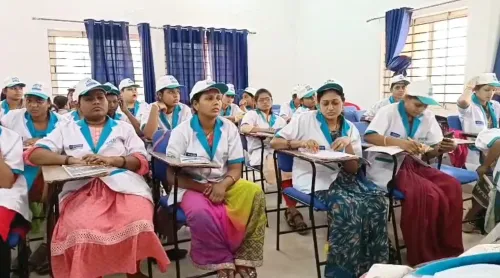
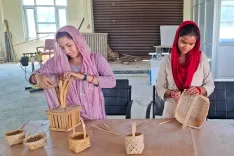
This comes amid sustained government focus on bridging the urban-rural skills gap, with RSETIs serving as a frontline delivery mechanism for livelihood generation in underserved districts. Notably, the enhanced target for 2026-27 reflects confidence in institutional capacity even as questions about training-to-employment conversion rates remain a standing challenge for the sector.
What Happens Next
With the MoU now in place, RSETIs are expected to onboard trainees using the upgraded digital systems and begin delivering NSQF-aligned courses. Progress will reportedly be tracked through the Unified Portal, making outcome data more accessible to policymakers. Whether the higher training target translates into measurable enterprise creation will be closely watched by rural development observers.
Point of View
But the RSETI programme's persistent challenge has been the gap between trainees certified and enterprises actually launched. Introducing Aadhaar biometrics and a unified portal addresses the ghost-beneficiary problem but does not automatically fix post-training credit access or market linkages, which rural entrepreneurs consistently cite as the real barrier. The NSQF-alignment push is overdue — many existing RSETI courses have lagged industry relevance for years. Whether this iteration builds in rigorous outcome audits, rather than just process compliance, will determine if the 6.35 lakh target becomes a livelihood milestone or another headline number.
NationPress
13 Oct 2026
Frequently Asked Questions
What is the RSETI training target for 2026-27?
The government has assigned a training target of 6.35 lakh rural youth to Rural Self Employment Training Institutes (RSETIs) for the financial year 2026-27, which is higher than the target set for 2025-26. The target was announced alongside an MoU signed between MoRD and the National Academy of RUDSETI.
What is the MoU between MoRD and NAR about?
The MoU between the Ministry of Rural Development and the National Academy of RUDSETI (NAR) aims to establish uniform training standards, improve digital governance and strengthen institutional capacity across RSETIs. It covers Aadhaar-based attendance, NSQF-aligned courses and unified portal-based certification.
How will Aadhaar biometrics improve RSETI training?
The Aadhaar Enabled Biometric Attendance System (AEBAS) will introduce face authentication for candidate registration and attendance, reducing fraudulent enrolments and ensuring that training numbers reflect actual participants. This is linked to the Kaushal Panjee registration platform.
Which courses will RSETIs deliver under the new framework?
RSETIs will deliver NSQF-aligned new-age courses, industry-benchmarked training using updated equipment, and core Entrepreneurship Development Programme (EDP) courses as notified by MoRD. Trainer certification and assessment will be tracked through the Unified Portal at kaushal.rural.gov.in.
Who attended the MoU exchange ceremony?
The MoU exchange took place in the presence of Rohit Kansal, Secretary of the Department of Rural Development. It was described by officials as a significant step in reinforcing the RSETI ecosystem for rural skill development and livelihood generation.