Goyal Echoes Modi: AI Must Be 'All-Inclusive' for India
Synopsis
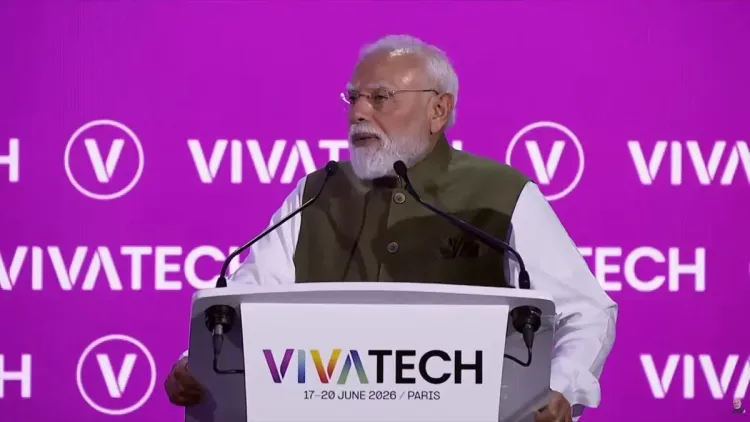
Commerce Minister Piyush Goyal on 18 June 2026 echoed PM Modi's framing that AI stands for 'All-Inclusive' in India, calling for technology that improves lives, widens access, drives growth, and sustains the planet — reinforcing the government's inclusive AI doctrine.
Key Takeaways
Union Commerce Minister Piyush Goyal amplified PM Narendra Modi 's vision on 18 June 2026 , stating AI must be 'All-Inclusive' for India.
The four pillars cited are: improving lives, widening access, driving economic growth, and sustaining a healthy planet.
India's inclusive AI policy dates to the NITI Aayog #AIforAll strategy of 2018 , making inclusion and sustainability foundational goals.
The statement aligns with the IndiaAI Mission , which targets compute access, datasets, and startup support across the country.
Goyal's post signals that the 'All-Inclusive' framing has become coordinated government messaging ahead of global AI governance discussions.
The sustainability dimension in the post indicates environmental impact will be part of India's AI policy calculus going forward.
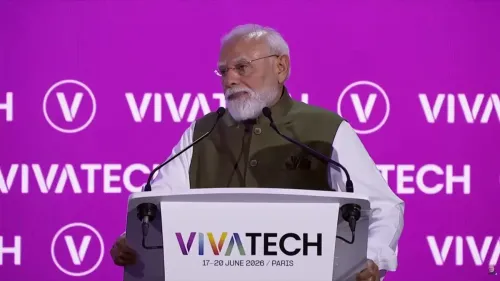
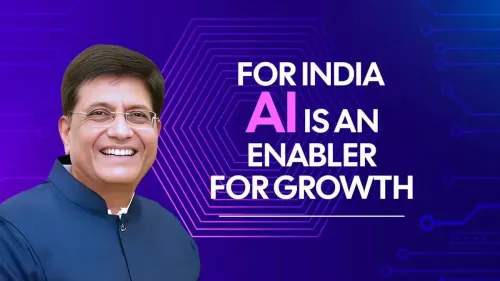
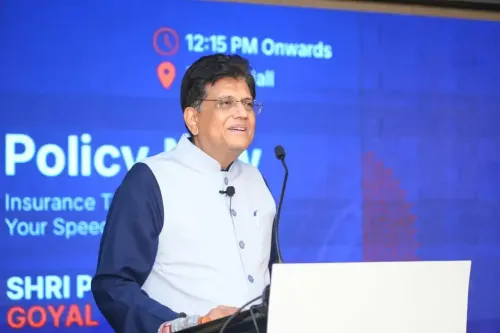
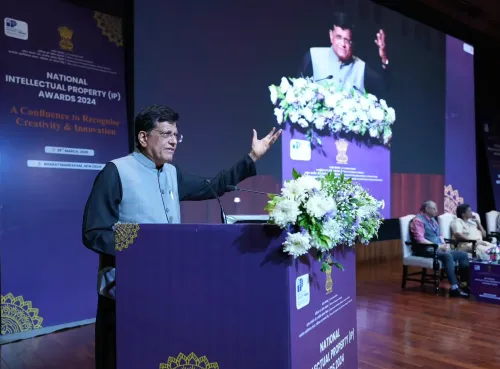
Union Commerce and Industry Minister Piyush Goyal on Thursday, 18 June 2026, amplified Prime Minister Narendra Modi's vision for artificial intelligence, stating that AI must improve lives, widen access, drive economic growth, and help sustain a healthy planet. Goyal underscored that for India, AI carries a specific meaning — 'All-Inclusive' — attributing the formulation directly to PM Modi.
Context
Goyal's post quotes PM Modi's framing of AI as a tool that must serve every citizen, not merely the technologically privileged. The phrase 'All-Inclusive' is a deliberate play on the acronym AI, positioning India's approach as fundamentally different from technology-first models that have widened inequality elsewhere. The minister's amplification signals that this framing has become official government messaging.
The post arrives as India's tech-policy community is closely watching the rollout of the IndiaAI Mission and the country's evolving positions at global AI governance forums. Goyal, as a senior BJP leader and Leader of the House in the Rajya Sabha, carries significant weight in translating executive intent into legislative and regulatory direction.
Policy Backdrop
India's inclusive AI philosophy has deep institutional roots. NITI Aayog released the National Strategy for Artificial Intelligence — branded #AIforAll — in 2018, establishing inclusion, sustainability, and economic growth as the three pillars of national AI policy. That document explicitly prioritised sectors such as agriculture, healthcare, and education, where AI could reach underserved populations.
The strategy has since been reinforced through the broader Digital India programme and responsible-AI principles that Indian negotiators have championed in multilateral settings, including the G20 and emerging global AI safety discussions. The government's consistent message has been that AI governance must account for the needs of developing economies and their vast informal sectors.
Stakeholders and Impact
The 'All-Inclusive' framing carries direct implications for Indian citizens — particularly the hundreds of millions in rural and semi-urban areas who stand to gain most from AI applications in agriculture advisory, vernacular language interfaces, and affordable healthcare diagnostics. It also sets an expectation for the Indian tech industry that public investment in AI will be tied to demonstrable social outcomes, not just productivity metrics.
For global technology companies operating in India, the message reinforces that market access will increasingly be linked to localisation, affordability, and alignment with India's development priorities. Sustainability is an explicit dimension of the vision — Goyal's post specifically calls out the need for AI to 'help us sustain a healthy planet', signalling that environmental impact will be part of the policy calculus.
What's Next
Attention will now turn to implementation milestones under the IndiaAI Mission, which is expected to operationalise compute access, dataset infrastructure, and startup support across the country. India's positions at upcoming global AI governance meetings will also be closely watched to see whether the 'All-Inclusive' doctrine translates into concrete multilateral proposals.
With a senior minister publicly anchoring AI policy in PM Modi's inclusive vision, the government appears to be laying the groundwork for a coordinated narrative ahead of both domestic legislative action and international negotiations on AI standards and governance frameworks.
Point of View
The government is doing more than coining a slogan — it is staking out a development-first position in a global debate where Western tech powers have largely led the narrative. Goyal's amplification, coming from the commerce portfolio, suggests the framing will inform trade negotiations and market-access conditions for foreign AI firms. The explicit mention of planetary sustainability also connects India's AI doctrine to its climate commitments, broadening the coalition of stakeholders invested in the policy. Taken together, this is a signal that India intends to export its inclusive-AI model as a template for the Global South, not merely adopt standards set elsewhere.
NationPress
19 Sept 2026
Frequently Asked Questions
What does PM Modi mean when he says AI stands for 'All-Inclusive' in India?
PM Modi's formulation uses the acronym AI to mean 'All-Inclusive', emphasising that artificial intelligence in India must benefit every citizen — including rural and underserved populations — rather than concentrating gains among the technologically privileged.
What is India's national AI strategy?
India's national AI strategy was launched by NITI Aayog in 2018 under the brand #AIforAll , identifying inclusion, sustainability, and economic growth as core pillars, with priority sectors including agriculture, healthcare, and education.
What is the IndiaAI Mission?
The IndiaAI Mission is the government's flagship programme to build domestic AI infrastructure, covering affordable compute access, large datasets, and an ecosystem for AI startups, aimed at translating the 'All-Inclusive' vision into concrete outcomes.
Why did Piyush Goyal post about AI?
As Union Commerce and Industry Minister and a senior government voice, Goyal regularly amplifies key policy positions on social media. His 18 June 2026 post reinforces the government's coordinated messaging on inclusive AI ahead of domestic and global policy milestones.
How does India's AI policy address environmental sustainability?
Goyal's post explicitly states that AI must 'help us sustain a healthy planet', indicating that environmental impact assessments and green-AI principles are expected to be integrated into India's broader AI governance and procurement frameworks.