Goyal champions Kashmir's GI-tagged Papier-Mâché this festive season
Synopsis
Commerce Minister Piyush Goyal spotlighted Kashmir's GI-tagged Papier-Mâché craft on 27 October 2026, urging festive-season buyers to support local artisans under PM Modi's VocalForLocal campaign, linking heritage preservation to artisan livelihoods.
Key Takeaways
Union Commerce Minister Piyush Goyal posted on 27 October 2026 promoting Kashmir's GI-tagged Papier-Mâché craft.
The craft is protected under the Geographical Indications of Goods (Registration and Protection) Act, 1999 , restricting use of the name to authentic regional producers.
PM Modi's VocalForLocal campaign, launched in 2020 under Atmanirbhar Bharat, forms the policy backbone of the appeal.
Kashmir holds multiple GI tags for traditional products, including Pashmina and Papier-Mâché, with the Commerce Ministry driving awareness.
Festive-season messaging around GI crafts is a sustained annual push aimed at channelling consumer spending toward artisan clusters.
Six centuries of Kashmiri ingenuity — scraped, layered, and hand-painted into objects that outlast the paper they began as — got a prime-time champion on Tuesday, 27 October 2026, when Union Commerce and Industry Minister Piyush Goyal took to X to spotlight Kashmir's GI-tagged Papier-Mâché craft and urged Indians to choose it this festive season.
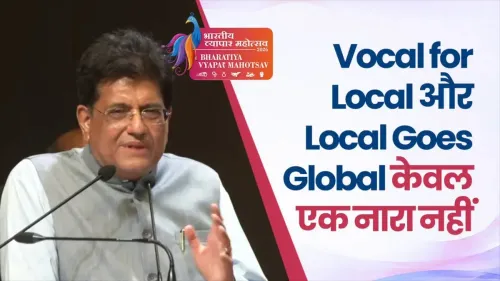
Goyal's post declared that Kashmir's Papier-Mâché 'transforms recycled paper into regal works of art, reflecting the exceptional finesse of our traditional karigars' (craftspeople) — and called on citizens to honour Prime Minister Narendra Modi's #VocalForLocal mandate by spending on local crafts rather than imported alternatives.
What a GI tag actually means for a Kashmiri craft
Under the Geographical Indications of Goods (Registration and Protection) Act, 1999, a GI tag is not a mere badge of honour — it is legal armour. It restricts producers outside the designated region from selling their goods under the protected name, creating a traceable, authentic product category that commands premium pricing. Kashmir Papier-Mâché joins Kashmir Pashmina among the Valley's most recognised GI-protected exports, a cluster that the Commerce Ministry under Goyal has worked to expand and promote in recent years.
The craft itself is labour-intensive: artisans soak waste paper into pulp, press it into moulds, dry and sand the forms, then apply intricate hand-painted motifs — chinar leaves, hunting scenes, floral vines — using techniques passed down across generations in households across Srinagar's old city quarters.
VocalForLocal's festive-season calculus
Prime Minister Modi launched the VocalForLocal campaign in 2020 as a consumer-facing pillar of the broader Atmanirbhar Bharat (self-reliant India) initiative. The logic was direct: if a meaningful slice of festival-season spending — one of the biggest retail pulses on the Indian calendar — could be redirected toward domestic artisan clusters, the income multiplier for rural and semi-urban craft households would be immediate and measurable.
Ministerial amplification of GI-craft messaging ahead of Diwali and the broader winter festive window is now a recognisable annual pattern, with senior leaders using their social-media reach to funnel consumer attention toward products that might otherwise lose shelf space to mass-manufactured imports. Goyal, as the minister overseeing both GI registrations and trade policy, is the natural face of that push.
The artisan at the centre of it all
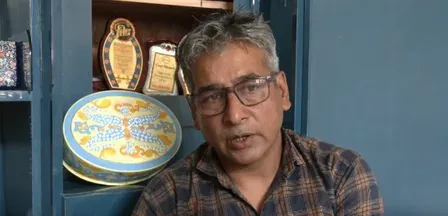
Beyond the policy scaffolding, the post is really about the karigar — the craftsperson whose livelihood rides on whether a buyer in Mumbai or Bengaluru chooses an authenticated Kashmiri box over a cheaper, machine-made replica. GI tagging creates the legal boundary; ministerial visibility and consumer awareness are what make that boundary economically meaningful. The festive gifting season, when decorative objects travel as presents across the country, is the highest-stakes window of the year for these artisans.
If the message lands, the beneficiary is not an abstraction — it is a craftsperson in Kashmir's old city, hands stained with lacquer, whose next order depends on whether India chooses heirloom over the generic.
Point of View
But through demand generation. The timing, pegged to the festive season, is deliberate: this is when consumer choices actually move artisan incomes. The broader arc here is the Modi government's sustained effort to turn cultural heritage into an economic asset, with GI registrations serving as the legal instrument and VocalForLocal as the marketing engine. The real test, as always, is whether ministerial visibility translates into verifiable sales uplift for the craftspeople the campaign names as its beneficiaries.
NationPress
27 Oct 2026
Frequently Asked Questions
What is Kashmir Papier-Mâché and why does it have a GI tag?
Kashmir Papier-Mâché is a centuries-old craft in which artisans convert waste paper pulp into decorative objects, hand-painted with intricate traditional motifs. It holds a Geographical Indication tag under India's GI Act of 1999, legally protecting the name for authentic producers from the Kashmir region and enabling premium pricing.
What is the VocalForLocal campaign?
VocalForLocal was launched by Prime Minister Narendra Modi in 2020 as part of the Atmanirbhar Bharat initiative. It encourages Indian consumers to prefer domestically made products, particularly from artisan and small-scale sectors, to boost local livelihoods and reduce dependence on imports.
What does Piyush Goyal's role have to do with GI-tagged crafts?
As Union Minister of Commerce and Industry, Piyush Goyal oversees GI registrations under the GI Act as well as trade promotion for traditional products. His ministry is the nodal body for extending, protecting, and marketing India's GI portfolio, which includes Kashmiri handicrafts.
Which other products from Kashmir have a GI tag?
Kashmir Pashmina is among the most well-known GI-tagged products from the region alongside Papier-Mâché. The Valley has received multiple GI tags in recent years covering textiles, handicrafts, and agricultural products.
Why is the festive season important for Kashmiri artisans?
The festive window — spanning Diwali and the broader winter gifting season — is one of the highest-demand periods for decorative and gift items in India. For craftspeople producing GI-tagged Kashmiri goods, this period represents a significant share of annual revenue, making consumer awareness campaigns especially impactful at this time.