Goyal gifts Sanganeri shawls to BRICS ministers on Handloom Day
Synopsis
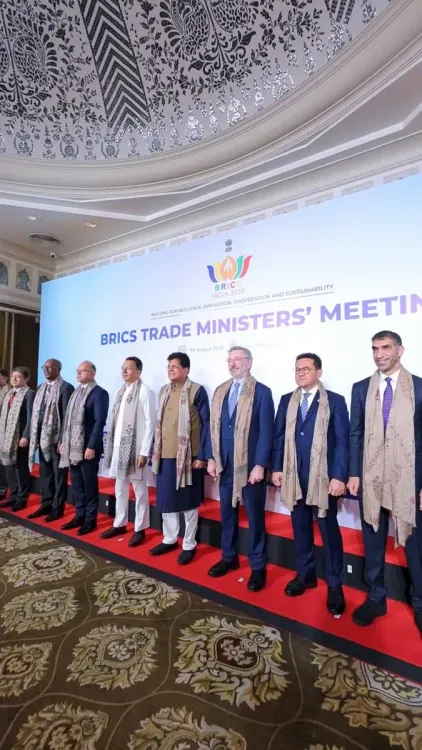
On National Handloom Day, Commerce Minister Piyush Goyal gifted GI-tagged Jaipur Sanganeri hand-printed shawls to visiting dignitaries at the BRICS India 2026 Trade and Industry Ministers' Meeting, blending cultural diplomacy with trade promotion.
Key Takeaways
Piyush Goyal presented Jaipur Sanganeri hand-printed shawls to BRICS Trade and Industry Ministers on 7 August 2026 .
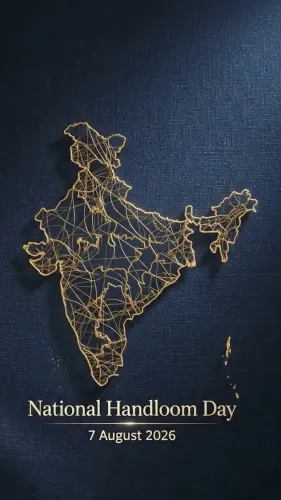
National Handloom Day is observed on 7 August every year since 2015 , marking the anniversary of the Swadeshi movement.
Sanganeri printing received a Geographical Indication tag in 2008 , protecting this centuries-old block-print tradition from Sanganer, Rajasthan .
BRICS — comprising Brazil, Russia, India, China, and South Africa — uses its Trade and Industry Ministers' track to discuss textiles and MSME cooperation.
India regularly showcases regional handloom products at multilateral forums as part of its cultural and trade diplomacy strategy.
A centuries-old craft from the lanes of Sanganer, Rajasthan found its way into a global trade meeting on Friday, 7 August 2026 — when Union Commerce and Industry Minister Piyush Goyal presented hand-printed Jaipur Sanganeri shawls to visiting dignitaries at the BRICS India 2026 Trade and Industry Ministers' Meeting, turning a diplomatic gift into a statement about India's artisan heritage.
Goyal posted on X: 'Proudly Indian, Proudly Sanganeri. On the occasion of National Handloom Day, gifted beautiful hand-printed Jaipur Sanganeri shawls to the visiting dignitaries at the BRICS India 2026 Trade and Industry Ministers' Meeting. Our skilled artisans carry forward a legacy of unmatched, timeless craftsmanship.'
A GI-tagged craft on the world stage
Sanganeri printing is a hand-block textile tradition originating in Sanganer, a town on the outskirts of Jaipur. India awarded it a Geographical Indication tag in 2008, placing it alongside other protected regional crafts. The fine floral motifs — typically printed on white or pastel cotton and silk — have long been sought after in export markets. Putting them in the hands of BRICS trade ministers is a deliberate move: the product speaks before any pitch is made.
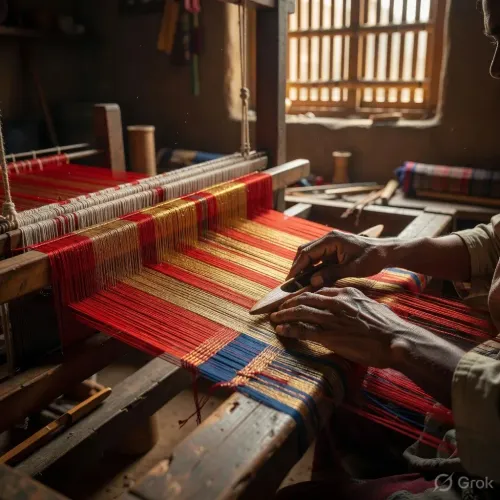
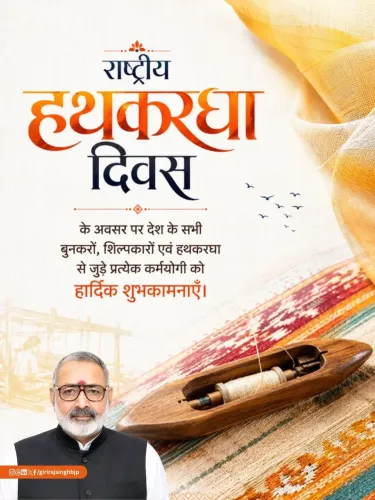
National Handloom Day is observed every 7 August since 2015, chosen to coincide with the anniversary of the Swadeshi movement. The date is symbolic — a reminder that India's textile sector is both an economic engine and a cultural identity. The handloom industry supports millions of artisans and weavers across the country, making it one of the largest employment generators outside agriculture.
Culture as trade diplomacy
India has a consistent pattern of deploying regional craft at multilateral forums — weaving soft power into hard economic conversations. BRICS, the grouping of major emerging economies including Brazil, Russia, India, China, and South Africa, has increasingly used its Trade and Industry Ministers' track to explore cooperation on textiles and MSME development. A handloom gift at such a meeting is not incidental; it is a calling card for Indian artisan exports.
For the weavers of Sanganer, visibility at a forum like BRICS India 2026 is the kind of reach no trade fair budget can easily buy. The minister's post, shared with the Indian flag emoji and the craft's name in the headline, signals that the government sees handloom promotion and trade diplomacy as the same conversation.
Whether the gesture translates into concrete handloom export commitments from BRICS partners will be the real measure — but today, Sanganeri craftsmanship sat at the table with the world's major emerging economies.
Frequently Asked Questions
What is National Handloom Day and when is it celebrated?
National Handloom Day is observed on 7 August every year since 2015 to honour India's weavers and promote the handloom sector. The date marks the anniversary of the Swadeshi movement launched in 1905 .
What is Sanganeri printing and why is it special?
Sanganeri printing is a traditional hand-block textile craft from Sanganer , near Jaipur, Rajasthan , known for fine floral motifs on cotton and silk. It received a Geographical Indication tag in 2008 , giving it legal protection as a distinct regional product.
What is the BRICS India 2026 Trade and Industry Ministers' Meeting?
It is a ministerial-level gathering under India's BRICS 2026 presidency , bringing together trade and industry ministers from the five BRICS nations — Brazil, Russia, India, China, and South Africa — to discuss economic cooperation, trade, and development.
Why did Piyush Goyal gift Sanganeri shawls to BRICS ministers?
Goyal presented the shawls on National Handloom Day, 7 August 2026 , using the occasion to spotlight India's artisan heritage and promote GI-tagged handloom products through cultural diplomacy at a major multilateral forum.
What is the Geographical Indication tag for Sanganeri prints?
India granted Sanganeri hand-block printing a Geographical Indication (GI) tag in 2008 , certifying it as a product exclusively originating from the Sanganer region and protecting it from imitation.