Goyal Highlights UP's GI-Tagged Crafts Going Global
Synopsis
Commerce Minister Piyush Goyal praised Uttar Pradesh's GI-tagged heritage crafts — Chikankari, Zardozi, Banarasi Silk, and Kannauj Attar — calling them stories of centuries-old craftsmanship now finding new opportunities in global markets under CM Yogi Adityanath's leadership.
Key Takeaways
Union Commerce Minister Piyush Goyal spotlighted Uttar Pradesh's GI-tagged crafts as world-class export assets on October 21, 2026 .
Products highlighted include Lucknowi Chikankari, Zardozi, Banarasi Silk, and Kannauj Attar — all carrying Geographical Indication protection.
India's GI Act of 1999 provides legal identity and commercial protection to regionally specific traditional products.
UP holds one of India's largest concentrations of GI-registered products, built over two decades.
Goyal credited CM Yogi Adityanath and Deputy CMs Keshav Prasad Maurya and Brajesh Pathak for enabling new global market access for these crafts.
The Commerce Ministry coordinates export promotion councils for textiles and handicrafts, giving ministerial backing commercial weight beyond symbolism.
Centuries of craft, now finding new markets across the world — Union Commerce and Industry Minister Piyush Goyal on Wednesday, October 21, 2026, spotlighted the extraordinary heritage of Uttar Pradesh's GI-tagged products, from the delicate threadwork of Lucknowi Chikankari and Zardozi to the lustrous weaves of Banarasi Silk and the rare, ancient fragrances of Kannauj's Attar.
Posting on X, Goyal wrote: 'Uttar Pradesh का हुनर, दुनिया में बेमिसाल!' ('The skill of Uttar Pradesh, unmatched in the world!') — framing the state's artisan traditions not as museum pieces but as living commercial assets competing on a global stage. He credited Chief Minister Yogi Adityanath, along with Deputy CMs Keshav Prasad Maurya and Brajesh Pathak, for creating the policy environment that is opening new international doors for these crafts.
What a GI Tag Actually Does for UP's Artisans
India's Geographical Indications of Goods (Registration and Protection) Act, 1999 gives legally enforceable identity to products tied to a specific region and its traditional knowledge. For an artisan in Varanasi weaving a Banarasi sari or a perfumer in Kannauj distilling attar through deg-bhapka copper stills, a GI tag is the difference between a generic textile and a protected, premium export category.
Uttar Pradesh holds one of the largest concentrations of GI-registered products in India, built up over two decades of registrations. The tag allows weavers, embroiderers, and fragrance artisans to market their goods with a verified geographic provenance — a quality signal that commands higher prices in international retail and trade-fair settings.
Chikankari, Banarasi Silk, and Kannauj Attar — Three Pillars of a Export Push
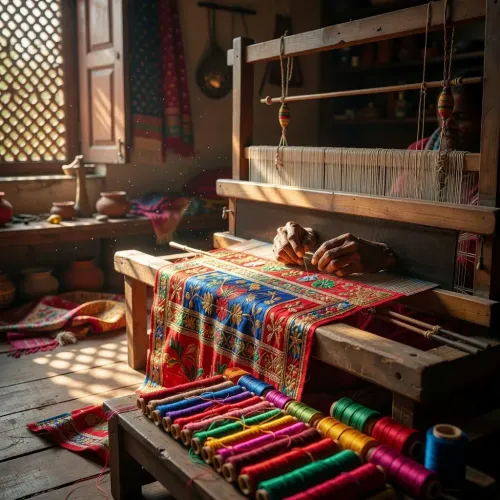
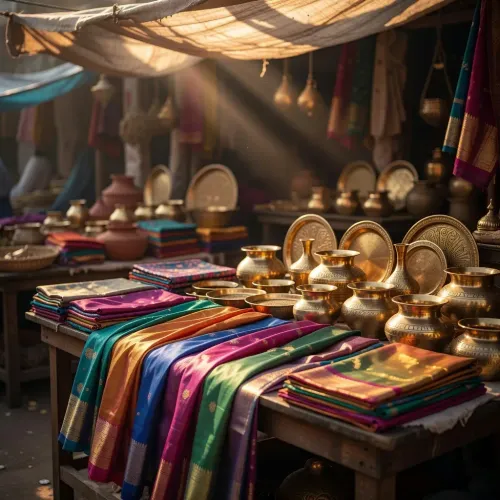
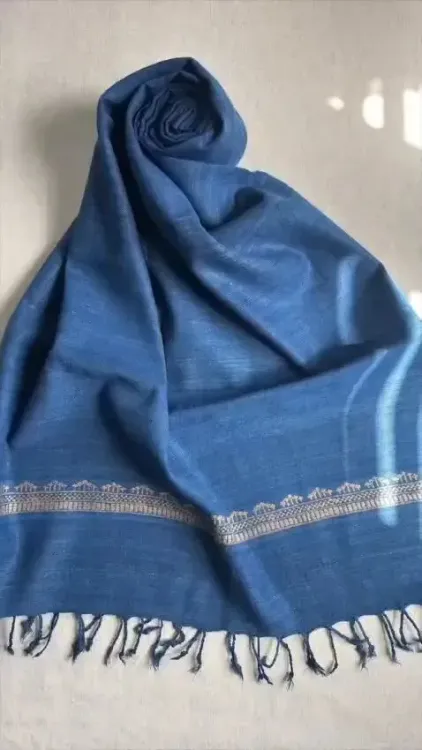
Lucknowi Chikankari, the hand-embroidery tradition dating back several centuries, supports hundreds of thousands of artisans — predominantly women — in and around Lucknow. Zardozi, the metallic embroidery that once adorned Mughal courts, has found new life in luxury fashion markets worldwide. Banarasi Silk, woven on handlooms in Varanasi, remains one of India's most recognised textile exports, associated with bridal and ceremonial wear across South Asia and its diaspora. Kannauj Attar, a natural perfume distilled from flowers and botanicals, carries a provenance story that niche fragrance markets in Europe and the Gulf actively seek out.
Together, these products represent not just heritage but a scalable export proposition — one that central and state governments have been jointly working to amplify through trade fairs, buyer-seller meets, and market-access initiatives.
Commerce Ministry's Role in Taking Crafts Across Borders
As the minister holding the commerce portfolio, Goyal's public endorsement of UP's craft exports is more than ceremonial. The Commerce and Industry Ministry oversees India's export promotion councils — including those covering textiles and handicrafts — and coordinates with state governments on plugging artisan clusters into global value chains. The ministry's engagement with GI products has intensified as India seeks to diversify its export basket and build brand equity around regional, artisan-made goods.
With trade partnerships and international craft fairs offering fresh platforms, the spotlight on Uttar Pradesh's GI ecosystem signals that artisan exports are being treated as a serious economic lever — not a sentimental footnote to trade policy.
Point of View
The statement reinforces BJP's cooperative federalism optics between Delhi and Lucknow. More substantively, the Commerce Ministry's visible embrace of GI-product diplomacy reflects a broader bet that heritage branding can differentiate Indian exports in premium global markets where provenance commands price premiums. The test will be whether promotional momentum translates into measurable export growth and artisan income data in the quarters ahead.
NationPress
21 Oct 2026
Frequently Asked Questions
What are GI-tagged products from Uttar Pradesh?
GI-tagged products from Uttar Pradesh are goods with a Geographical Indication — a legal certification linking them to the state's specific regions and traditions. Examples include Lucknowi Chikankari embroidery, Banarasi Silk, Zardozi metallic embroidery, and Kannauj Attar perfume.
What is the GI Act in India?
India's Geographical Indications of Goods (Registration and Protection) Act, 1999 provides legal protection to products tied to a specific geographic origin and traditional craft knowledge, enabling artisans to market them with verified provenance and command premium pricing.
What did Piyush Goyal say about Uttar Pradesh crafts?
On October 21, 2026, Commerce Minister Piyush Goyal posted on X calling UP's craftsmanship 'unmatched in the world,' highlighting GI-tagged products like Chikankari, Banarasi Silk, and Kannauj Attar as finding new global market opportunities under CM Yogi Adityanath's leadership.
Why is Kannauj Attar famous internationally?
Kannauj Attar is a naturally distilled floral perfume from Kannauj, Uttar Pradesh, produced using traditional copper-still (deg-bhapka) techniques. Its rare, chemical-free provenance has made it sought after in niche fragrance markets in Europe and the Gulf.
How does the Commerce Ministry support Indian handicraft exports?
The Commerce and Industry Ministry oversees export promotion councils covering textiles and handicrafts, facilitates international trade fairs, and coordinates with state governments to connect artisan clusters to global value chains and buyers.