Piyush Goyal at APO GBM: Productivity spans resilience, innovation, inclusive growth
Synopsis
At the APO's 68th Governing Body Meeting in New Delhi, Commerce Minister Piyush Goyal reframed productivity as a three-dimensional concept — resilience, innovation, and inclusive growth — and held up India's digital and manufacturing reforms as the regional benchmark. The session also saw Indonesia's Anwar Sanusi take over as APO Chair for 2026–27, marking a leadership shift in one of Asia-Pacific's most influential intergovernmental bodies.
Key Takeaways
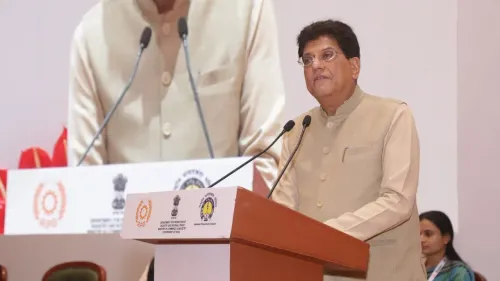
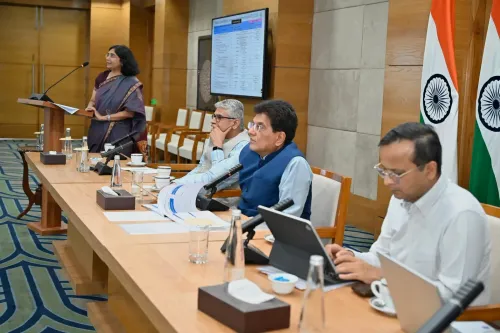
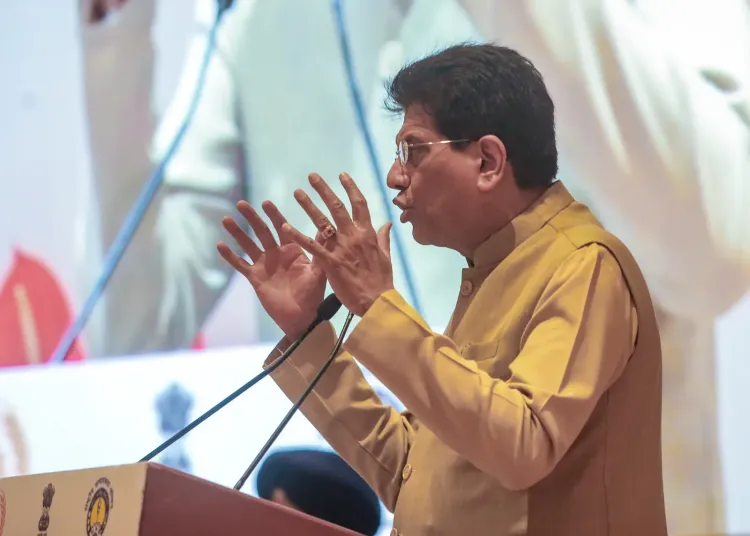
Commerce Minister Piyush Goyal addressed the 68th APO Governing Body Meeting in New Delhi on 22 May .
Goyal cited Make in India , PLI Schemes , UPI , Aadhaar , and ONDC as examples of India's productivity-driven transformation.
NPC India DG Neerja Sekhar highlighted digital transformation and green productivity as priorities for strengthening MSMEs .
APO National Award certificates were presented at the session, recognising productivity champions across member economies.
Professor Anwar Sanusi of Indonesia became APO Chair for 2026–27 , succeeding India's Amardeep Singh Bhatia .
The APO , founded in 1961 , now has 21 member economies across the Asia-Pacific.
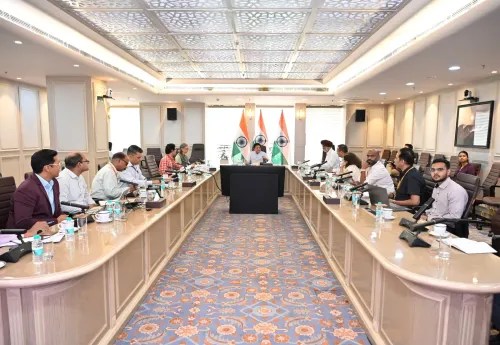
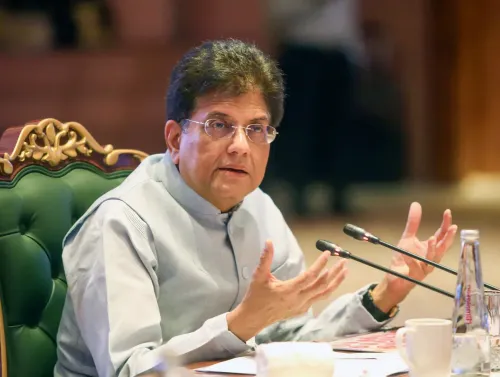
Commerce and Industry Minister Piyush Goyal on 22 May told delegates at the 68th Session of the Governing Body Meeting (GBM) of the Asian Productivity Organization (APO) in New Delhi that productivity today extends well beyond operational efficiency to encompass resilience, innovation, and inclusive growth. His remarks set the tone for a high-level gathering of policymakers, productivity experts, and senior government officials from across the Asia-Pacific region.
India's Productivity-Driven Reform Record
Goyal highlighted the breadth of structural reforms undertaken under Prime Minister Narendra Modi, positioning them as concrete expressions of productivity-led transformation. He cited Make in India, Startup India, Skill India, the Production-Linked Incentive (PLI) Schemes, the PM Gati Shakti National Master Plan, the National Logistics Policy, UPI, Aadhaar, and ONDC as flagship examples. Taken together, these initiatives span digital public infrastructure, manufacturing competitiveness, and skills development — reflecting a multi-dimensional approach to national productivity.
Goyal also reaffirmed India's commitment to regional cooperation, sustainable development, and future-ready growth through the APO framework, signalling New Delhi's intent to remain an active voice in shaping Asia-Pacific productivity policy.
NPC India and NITI Aayog Perspectives
Neerja Sekhar, Director General of the National Productivity Council (NPC) India, underscored the organisation's focus on digital transformation, green productivity, capability building, and measurable outcomes. She noted that these priorities are geared toward strengthening MSMEs, enhancing competitiveness, and promoting sustainable and resilient economic growth — areas where India sees significant headroom.
Dr VK Saraswat, former Member of NITI Aayog and Chair of the APO National Award Search-cum-Selection Committee, emphasised the value of recognising productivity champions and technical experts whose contributions drive national and regional productivity gains. Goyal subsequently presented APO National Award certificates to awardees, who acknowledged the role of innovation and institutional excellence in advancing sustainable development.
Leadership Transitions at the APO
The GBM also marked a significant leadership handover within the organisation. Professor Anwar Sanusi, APO Director for Indonesia, assumed the position of APO Chair for 2026–27, succeeding Amardeep Singh Bhatia, who had served as APO Director for India. The Acting APO Director for Iran and the Acting APO Director for Japan took up the roles of First Vice Chair and Second Vice Chair, respectively, according to the Commerce Ministry.
About the APO
The Asian Productivity Organization, established in 1961, is a premier intergovernmental body committed to improving productivity for sustainable socioeconomic development across the Asia-Pacific region through mutual cooperation and policy support. It currently counts 21 member economies in its fold. India, as a founding-era member and host of the NPC, has historically played a central role in the organisation's agenda-setting.
Point of View
Not merely a participant. The framing of UPI and Aadhaar alongside PLI is deliberate: it conflates digital public infrastructure with industrial productivity, a conflation that flatters the scorecard. The harder question — whether India's measured productivity growth actually outpaces regional peers — was not addressed. With manufacturing's GDP share still stuck near 17% despite years of PLI spending, the gap between reform narrative and productivity outcome remains the story that the GBM podium rarely surfaces.
NationPress
7 Oct 2026
Frequently Asked Questions
What did Piyush Goyal say at the APO Governing Body Meeting?
Commerce and Industry Minister Piyush Goyal said at the 68th APO GBM in New Delhi that productivity now encompasses resilience, innovation, and inclusive growth, going beyond traditional efficiency metrics. He highlighted India's reforms — including Make in India, PLI Schemes, UPI, Aadhaar, and ONDC — as models of productivity-driven transformation.
What is the Asian Productivity Organization (APO)?
The APO is a premier intergovernmental organisation established in 1961, focused on improving productivity for sustainable socioeconomic development across the Asia-Pacific region. It currently has 21 member economies and operates through mutual cooperation and policy support.
Who is the new APO Chair for 2026–27?
Professor Anwar Sanusi, the APO Director for Indonesia, assumed the position of APO Chair for 2026–27 at the 68th GBM. He succeeds Amardeep Singh Bhatia, who served as APO Director for India.
What role does NPC India play in the APO framework?
The National Productivity Council (NPC) India serves as India's National Productivity Organisation within the APO. At the GBM, NPC DG Neerja Sekhar outlined its focus on digital transformation, green productivity, capability building, and measurable outcomes to strengthen MSMEs and promote sustainable growth.
What are the APO National Awards?
The APO National Awards recognise productivity champions and technical experts who contribute to national and regional productivity enhancement. At the 68th GBM, certificates were presented by Minister Piyush Goyal, with awardees acknowledging the role of innovation and institutional excellence in sustainable development.