Goyal Rejects False Reports on India-US Trade Talks
Synopsis
Commerce Minister Piyush Goyal on 13 July 2026 publicly dismissed circulating reports about India-US trade talks as 'completely false,' confirming productive June meetings with USTR Jamieson Greer and reiterating both sides' commitment to a balanced, commercially meaningful bilateral agreement.
Key Takeaways
Minister Piyush Goyal on 13 July 2026 called reports on India-US trade talks 'completely false, baseless and misleading.' USTR Jamieson Greer visited New Delhi in June 2026 for bilateral trade discussions.
Both sides reaffirmed commitment to an agreement that is 'balanced, commercially meaningful' and benefits businesses, farmers, workers and consumers.
Negotiating teams on both sides 'remain fully engaged' in pursuing the agreement, according to Goyal.
India-US trade dialogue has been institutionalised through the Trade Policy Forum since 2005 .
Key stakeholders include Indian exporters , US farmers and Indian MSMEs .
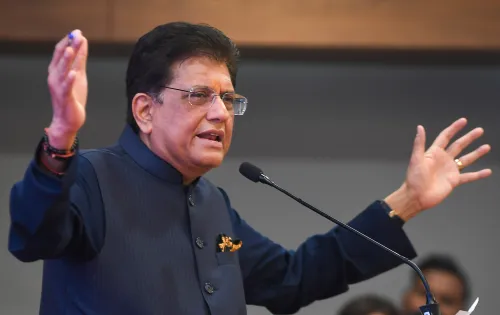
Union Commerce and Industry Minister Piyush Goyal on Monday, 13 July 2026, publicly rebutted circulating reports about the state of India-US trade negotiations, calling them 'completely false, baseless and misleading' and reaffirming that both sides remain committed to reaching a balanced bilateral trade agreement.
Context
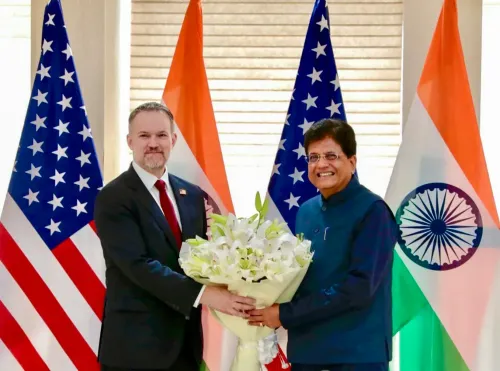
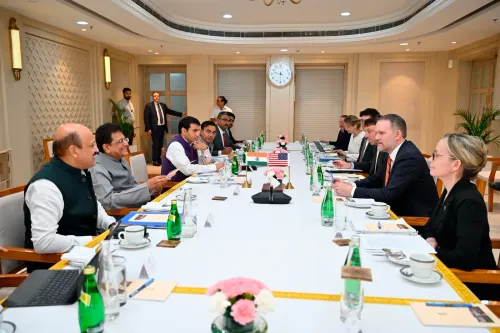
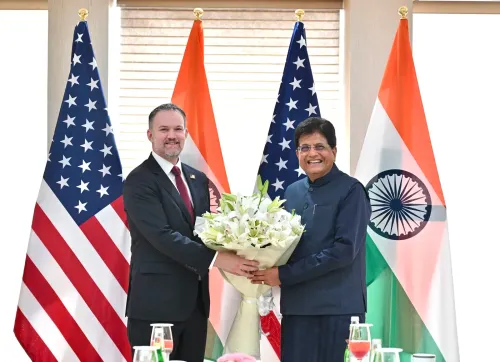
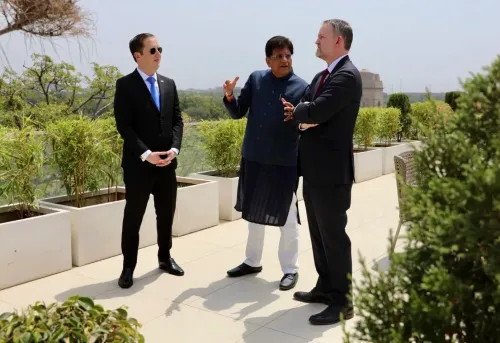
Minister Goyal stated that he had 'fantastic meetings' with United States Trade Representative (USTR) Jamieson Greer when Greer visited New Delhi in June 2026. The minister's rebuttal was direct and unambiguous: both delegations reaffirmed their commitment to 'an agreement that is balanced, commercially meaningful, and delivers tangible benefits for businesses, farmers, workers, and consumers in both countries.'
Goyal added that negotiating teams on both sides 'remain fully engaged in achieving this objective,' signalling that the talks are active and on track despite the false narrative in circulation.
Policy Backdrop
India and the United States have maintained a structured bilateral trade dialogue since the establishment of the Trade Policy Forum in 2005, which serves as the principal platform for resolving market-access disputes and advancing new trade commitments. A limited trade package covering agriculture, medical devices and digital trade was explored as far back as 2019, reflecting the long-standing ambition for a commercially meaningful deal.
Successive administrations in both countries have kept engagement alive despite periodic friction over issues such as tariffs on Indian steel and aluminium, market access for US dairy and pulses, and intellectual property protections. The USTR is the lead US federal agency responsible for developing and negotiating American trade policy, making Greer's visit to Delhi a significant diplomatic milestone in the current round of talks.
India-US bilateral trade in goods and services has grown steadily over the past decade, with both governments seeking reciprocal tariff reductions and the removal of non-tariff barriers without committing to a full free-trade agreement — a politically sensitive step for both sides.
Stakeholders and Impact
The negotiations carry direct consequences for a wide range of economic actors. Indian exporters — particularly in textiles, pharmaceuticals and information technology — stand to gain from improved market access in the United States. US farmers seek greater entry into the Indian agricultural market, while Indian MSMEs are closely watching tariff outcomes that could affect their competitiveness.
Consumers in both countries are also cited explicitly in Goyal's post as intended beneficiaries of any eventual agreement, underscoring the broad domestic political stakes attached to the outcome. Any perception of a breakdown in talks could unsettle investor sentiment and affect bilateral trade flows that run into hundreds of billions of dollars annually.
What's Next
With both sides publicly reaffirming their commitment, attention now shifts to the next rounds of technical-level discussions under the Trade Policy Forum and any joint statements that may emerge from upcoming bilateral summits between Indian and American leaders. Goyal's forceful pushback against misinformation suggests that both governments are keen to manage the public narrative around the talks as carefully as the negotiations themselves.
The coming weeks will be watched for signals on whether the two sides can narrow differences on the most contentious chapters — agriculture, digital trade and intellectual property — and move toward a framework agreement that satisfies the political and commercial benchmarks both ministers have publicly endorsed.
Point of View
Baseless and misleading' — signals that both governments are treating narrative management as integral to the negotiating strategy, not an afterthought. By publicly citing Greer's Delhi visit and the shared commitment to a 'commercially meaningful' deal, Goyal is simultaneously reassuring domestic exporters and MSMEs and sending a calibrated message to Washington that India will not allow media speculation to create diplomatic distance. This fits a broader pattern in which Indian trade ministers use social media to set the official record before opposition parties or market actors can exploit ambiguity. The emphasis on benefits for 'farmers, workers and consumers' on both sides also telegraphs that any eventual agreement will need to clear a high political bar in both capitals.
NationPress
13 Jul 2026
Frequently Asked Questions
Did India-US trade talks break down in 2026?
No. Commerce Minister Piyush Goyal on 13 July 2026 explicitly rejected such reports as 'completely false, baseless and misleading,' confirming that both sides remain fully engaged in negotiations.
When did USTR Jamieson Greer visit India?
USTR Jamieson Greer visited New Delhi in June 2026 for bilateral trade discussions with Commerce Minister Piyush Goyal, according to Goyal's statement.
What is the India-US trade agreement about?
The proposed bilateral trade agreement aims to be balanced and commercially meaningful, delivering benefits for businesses, farmers, workers and consumers in both India and the United States, covering areas such as goods, services, agriculture and digital trade.
What is the Trade Policy Forum between India and the US?
The Trade Policy Forum is a bilateral platform established in 2005 by India and the United States to address trade and investment issues, resolve market-access disputes and advance new trade commitments between the two countries.
Who is Piyush Goyal and what is his role in India-US trade talks?
Piyush Goyal is India's Union Minister of Commerce and Industry, a senior BJP leader and Leader of the House in the Rajya Sabha. He is India's principal negotiator in bilateral trade discussions with the United States.