Piyush Goyal Reviews Trade Administration Reforms
Synopsis
Union Commerce Minister Piyush Goyal chaired a review meeting on October 15, 2026, targeting time-bound decisions, compliance cuts, simplified clearances, stronger export support, and greater FTA utilisation — pressing India's trade bureaucracy for real on-ground results.
Key Takeaways
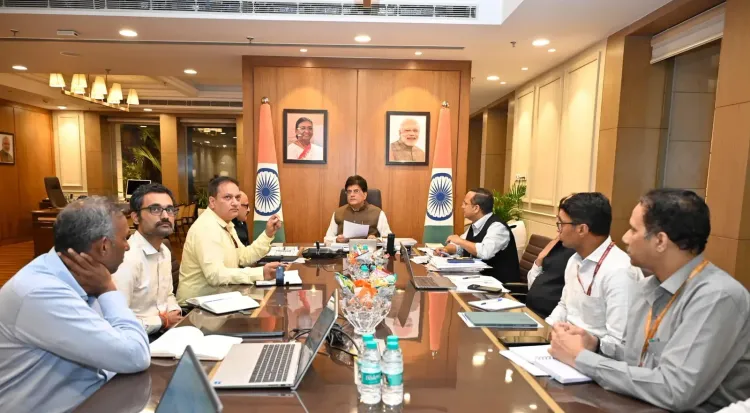
Union Commerce and Industry Minister Piyush Goyal held a review meeting on reforms in India's trade and commerce administration on October 15, 2026 .
Discussions focused on time-bound decision-making , streamlining compliance requirements, and simplifying industrial clearances.
The meeting explored innovative approaches to improve ease of doing business and strengthen export support mechanisms.
Greater utilisation of India's free trade agreements (FTAs) — including the India-UAE CEPA (2022) — was a key agenda item.
Industry and stakeholder engagement, with particular relevance to exporters and MSMEs , was highlighted as an area to deepen.
Follow-up action expected: revised clearance procedures or new export-support guidelines from the Department of Commerce .
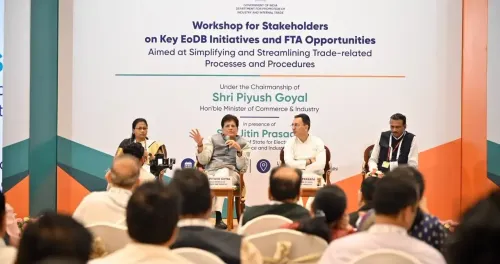
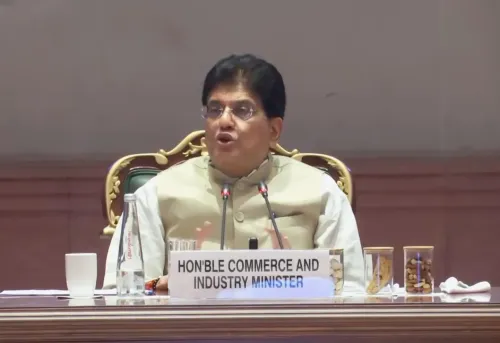
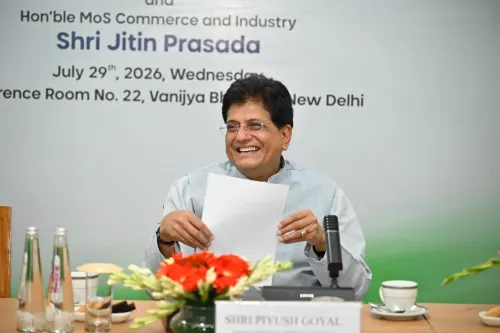
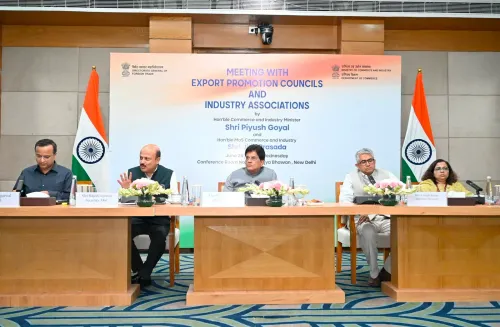
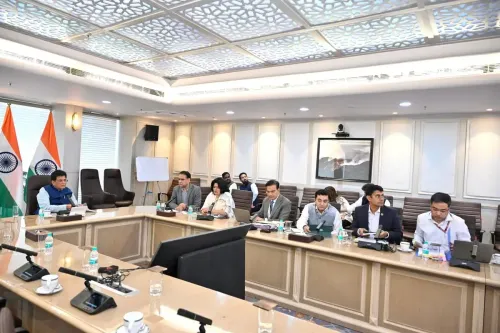
India's trade machinery got a hard look on Thursday, October 15, 2026, as Union Commerce and Industry Minister Piyush Goyal chaired a review meeting on reforms across the country's trade and commerce administration — drilling into everything from compliance overload to untapped free-trade-agreement potential.
What the review room was focused on
The meeting zeroed in on four pressure points: time-bound decision-making, cutting compliance requirements, simplifying industrial clearances, and piloting innovative approaches to ease of doing business. These are not fresh concerns — they are the stubborn residual friction that decade-long reform programmes have not fully dissolved. The minister's post describes deliberations that covered both the speed of the state and the cost it imposes on business.
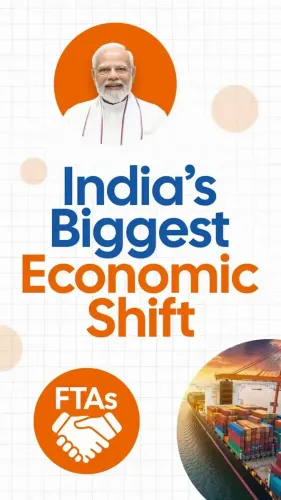
On the export side, discussions went beyond the standard toolkit. The meeting explored ways to strengthen export support mechanisms, deepen engagement with industry and stakeholders — a direct nod to exporters and MSMEs who have long flagged the gap between policy announcements and on-ground implementation — and, crucially, push for greater utilisation of India's existing FTAs.
The FTA utilisation gap that keeps reappearing
That last point deserves its own paragraph. India has invested considerable diplomatic capital in bilateral trade deals — the India-UAE Comprehensive Economic Partnership Agreement, signed in 2022, being the most prominent recent example — yet utilisation rates among exporters, especially smaller ones, have historically lagged well behind the deals' potential. A clearance regime that is slow or opaque compounds the problem: exporters who cannot afford compliance delays simply do not invoke preferential tariffs. Fixing clearances and fixing FTA utilisation are, in practice, the same problem.
A reform thread running back to 2014
The Ministry of Commerce and Industry has been working this terrain since the 2014 Ease of Doing Business drive reshaped the government's reform vocabulary. The Foreign Trade Policy 2023 sharpened the focus further, replacing older incentive frameworks with streamlined export-support structures. Thursday's review suggests the minister is stress-testing whether those frameworks are producing measurable speed and simplicity on the ground — not just on paper.
Follow-up notifications on revised clearance procedures or updated export-support guidelines from the Department of Commerce would be the clearest signal that this review translated into action.
The meeting sent a pointed message to India's trade bureaucracy: faster decisions and lighter compliance are not aspirational targets — they are outstanding deliverables.
Point of View
Reducing clearance timelines and compliance costs carries genuine macroeconomic stakes. The meeting's outcome will be measured not in statements but in whether the Department of Commerce issues concrete procedural changes in the weeks ahead.
NationPress
16 Oct 2026
Frequently Asked Questions
What did Piyush Goyal's trade reform review meeting cover?
The meeting focused on time-bound decision-making, streamlining compliance requirements, simplifying clearances for industry, exploring innovative ease-of-doing-business approaches, strengthening export support mechanisms, and improving utilisation of India's free trade agreements.
What is India's Foreign Trade Policy 2023?
The Foreign Trade Policy 2023 replaced earlier export-incentive frameworks with a streamlined structure aimed at simplifying export-support mechanisms and reducing compliance burdens on exporters, including MSMEs.
Why is FTA utilisation a concern for India's exports?
Despite signing multiple free trade agreements — including the India-UAE CEPA in 2022 — Indian exporters, especially smaller businesses, have historically under-utilised preferential tariffs, often because of complex clearance procedures and compliance costs that make invoking FTA benefits impractical.
What is the Ministry of Commerce and Industry's role in trade reform?
The Ministry of Commerce and Industry is the central body responsible for India's foreign trade policy, export promotion, and domestic commerce regulations, and it drives administrative reforms through the Department of Commerce and allied bodies.
What should exporters and MSMEs watch for after this meeting?
Exporters and MSMEs should watch for follow-up notifications from the Department of Commerce on revised clearance procedures, updated compliance requirements, or new export-support guidelines that translate the review's discussions into actionable policy changes.