Piyush Goyal unveils 1,000-strong export support network and Trade Connect platform
Synopsis
India's export push just got a human face — Commerce Minister Piyush Goyal is proposing 1,000 regionally-deployed, language-trained export advisers alongside an AI-powered Trade Connect platform. Together, they signal a deliberate effort to make FTA benefits accessible not just to large exporters but to district-level businesses across the country.
Key Takeaways
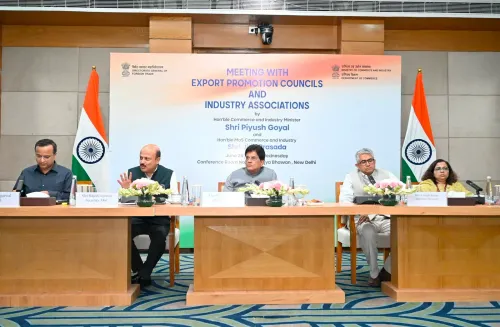
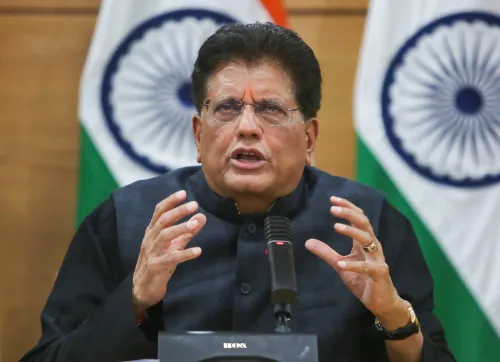
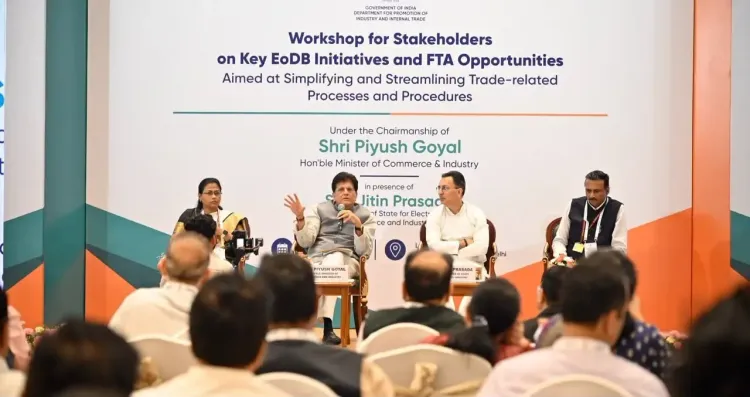
Commerce Minister Piyush Goyal addressed a DPIIT stakeholder workshop on 22 September 2026 in New Delhi .
Approximately 1,000 trained local personnel with regional-language skills are proposed to support exporters at district and state levels.
The Trade Connect platform , under development, will use AI-enabled tools to provide HSN-code-wise tariff data, FTA procedures, and export opportunity mapping.
Integrated Commerce and Industry offices in major cities will replace the current fragmented departmental structure.
The roller chain and industrial components sector reported a 15-fold expansion , ₹500 crore in fresh investment, and 5,000 new jobs following QCOs, MIP provisions, and higher import duties.
Industry flagged the need for greater interoperability between government and foreign trade platforms, particularly for digital Certificate of Origin verification under FTAs.
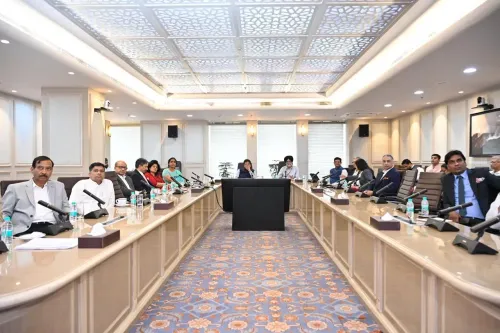
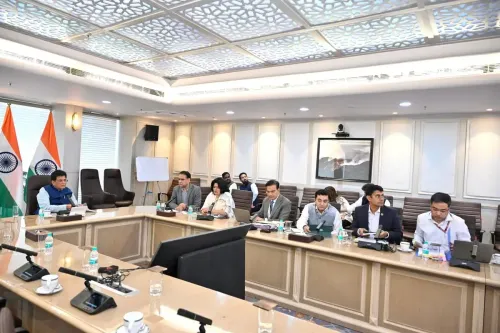
Commerce and Industry Minister Piyush Goyal on Tuesday, 22 September outlined an ambitious plan to strengthen India's export facilitation architecture through both physical and digital mechanisms, addressing industry stakeholders at a workshop organised by the Department for Promotion of Industry and Internal Trade (DPIIT) in New Delhi. The session focused on Ease of Doing Business, Free Trade Agreement (FTA) opportunities, and ongoing trade-related reforms.
Integrated Commerce Offices and District-Level Support
Goyal proposed replacing the fragmented model of separate departmental offices with integrated Commerce and Industry offices in major cities, giving businesses a single point of access to multiple departments and agencies. More significantly, he announced a proposed network of approximately 1,000 trained local personnel, equipped with knowledge of regional languages, to provide handholding support to exporters and prospective exporters at the district and state levels. These personnel are envisaged to operate through industry chambers and regional associations, making export advisory accessible beyond metro centres.
Trade Connect Platform: AI-Enabled Export Intelligence
The minister also briefed participants on the Trade Connect platform, currently under development, which will offer exporters product-wise and HSN-code-wise information covering destination-country tariffs, FTA opportunities, and step-by-step procedures for availing FTA benefits. The platform is envisaged to deploy digital and AI-enabled tools to help businesses identify potential export opportunities and pinpoint infrastructure gaps — a notable shift toward data-driven trade facilitation.
Policy Impact: Roller Chain Sector Reports 15-Fold Expansion
The roller chain and industrial components manufacturing sector shared concrete evidence of the positive effect of recent policy interventions. Industry representatives reported that Quality Control Orders (QCOs), Minimum Import Price (MIP) provisions, and higher import duties have together enabled a 15-fold expansion in the sector, attracted fresh investments of approximately ₹500 crore, and generated around 5,000 new jobs. The sector praised these measures for simultaneously building domestic manufacturing capacity, encouraging investment, and creating employment.
FTA Reforms and Interoperability Concerns
A dedicated session on recent FTAs and trade facilitation reforms gave industry an overview of the opportunities and obligations arising from India's existing trade agreements. The discussion also covered ongoing measures around digitalisation, documentation simplification, and streamlining of trade-related processes. Industry representatives flagged the need for greater interoperability between government systems and foreign trade platforms, specifically citing the digital transmission and verification of Certificates of Origin under FTAs as an area requiring urgent improvement. This demand reflects a broader industry concern that backend digital infrastructure has not kept pace with the ambition of India's FTA pipeline.
What to Watch Next
The rollout timelines for both the 1,000-personnel network and the Trade Connect platform were not specified at the workshop, and industry observers will be watching for concrete implementation schedules. With India currently negotiating or implementing multiple FTAs, the effectiveness of these facilitation tools could directly influence how quickly Indian exporters capture new market access.
Point of View
000 district-level export advisers is more structurally interesting than it first appears — it acknowledges that India's FTA benefits have largely bypassed small and mid-sized exporters who lack the legal and compliance bandwidth to navigate complex trade rules. The Trade Connect platform addresses a real gap, but its credibility will depend on data quality and update frequency, two areas where Indian government portals have historically struggled. The roller chain sector's 15-fold growth is a genuine data point for the 'protect-then-grow' policy thesis, but it should not be extrapolated uncritically — sectors with direct import competition respond differently than those with deeper supply-chain complexity. The interoperability concern raised by industry is the most actionable item from the workshop and the one most likely to determine whether these reforms translate into measurable export growth.
NationPress
22 Sept 2026
Frequently Asked Questions
What is the Trade Connect platform announced by Piyush Goyal?
The Trade Connect platform is a digital tool under development by the government that will provide Indian exporters with product-wise and HSN-code-wise information on destination-country tariffs, FTA opportunities, and procedures for claiming FTA benefits. It will also use AI-enabled tools to identify potential export opportunities and flag infrastructure gaps.
What is the proposed 1,000-personnel export support network?
Commerce Minister Piyush Goyal announced a plan to deploy approximately 1,000 trained local personnel with regional-language knowledge to support exporters and prospective exporters at the district and state levels. They will operate through industry chambers and regional associations to provide on-the-ground handholding support.
How have recent policy interventions helped the roller chain sector?
The roller chain and industrial components manufacturing sector reported a 15-fold expansion, fresh investments of approximately ₹500 crore, and around 5,000 new jobs, attributing this growth to Quality Control Orders, Minimum Import Price provisions, and higher import duties introduced by the government.
What are integrated Commerce and Industry offices?
These are proposed unified offices in major cities designed to give businesses a single point of access to multiple government departments and agencies, replacing the current system where each department maintains separate offices across locations. The aim is to reduce compliance burden and simplify regulatory interaction for industry.
What interoperability issues did industry raise at the DPIIT workshop?
Industry representatives highlighted the need for better interoperability between government systems and foreign trade platforms, specifically the digital transmission and verification of Certificates of Origin under FTAs. Resolving this is seen as critical to enabling exporters to efficiently claim benefits under India's trade agreements.