Goyal Signals New India-Egypt Business Partnership Era
Synopsis
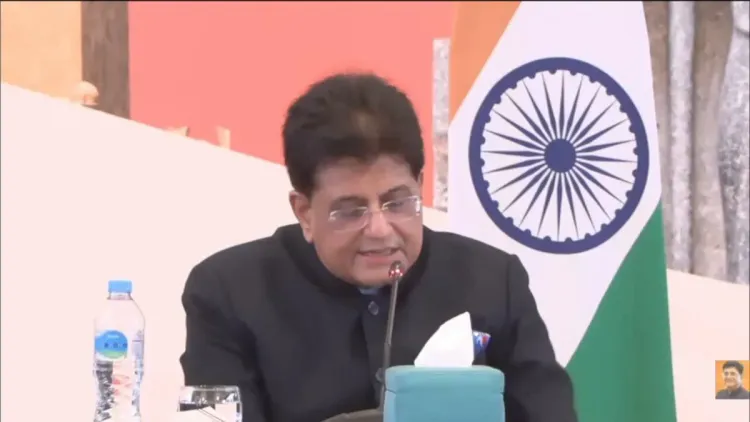
Commerce Minister Piyush Goyal has announced the start of a new India-Egypt business partnership, invoking the shared civilisational heritage of the Nile and the Ganga. The engagement positions Egypt as a strategic trade gateway into Africa and the Mediterranean for Indian exporters.
Key Takeaways
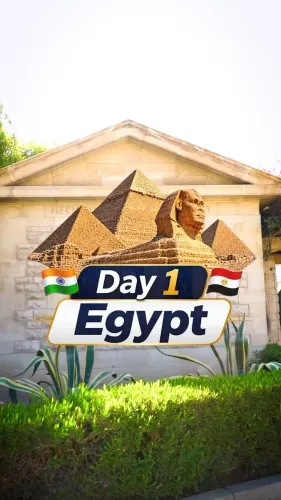
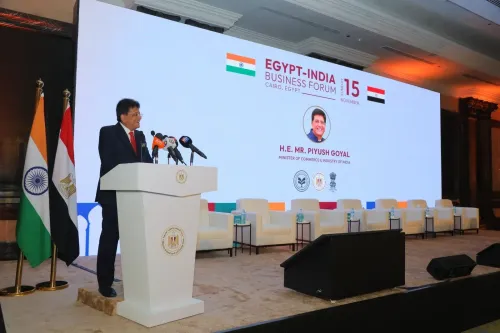
Minister Piyush Goyal announced a new chapter in India-Egypt business ties on November 16, 2026 .
India and Egypt are both founding members of the Non-Aligned Movement (1961) , giving the relationship a deep diplomatic lineage.
Egypt serves as a potential gateway for Indian goods into African and Mediterranean markets .
Key sectors likely to benefit include pharmaceuticals, textiles, engineering goods, and agricultural trade .
The visit fits India's broader strategy of diversifying trade partnerships across Africa and the Middle East.
Follow-up announcements on trade agreements or joint business council formation are expected in coming weeks.
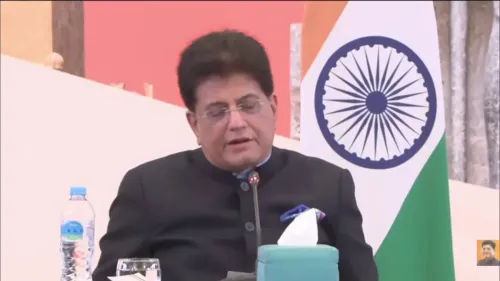
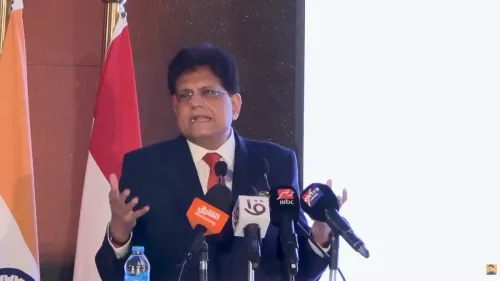
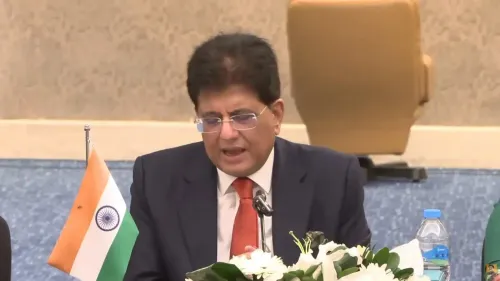
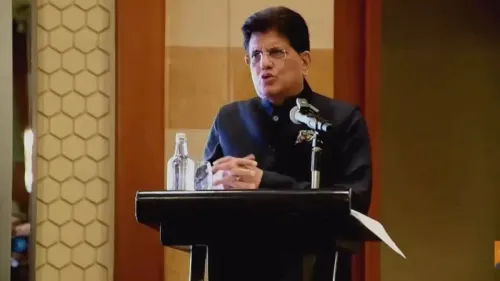
A new trade corridor is taking shape between South Asia and North Africa. Union Commerce and Industry Minister Piyush Goyal on Monday, November 16, 2026, signalled the opening of a fresh chapter in India-Egypt business ties — invoking the imagery of two ancient civilisations, the Nile and the Ganga, to frame what he called a partnership with historic depth and modern ambition.
Two Ancient Rivers, One Modern Trade Agenda
Goyal's post — 'From the Nile to the Ganga, a new chapter of India-Egypt business partnership begins!' — was brief, but its framing was deliberate. Egypt and India share a civilisational bond that long predates formal diplomacy; both nations were founding members of the Non-Aligned Movement in 1961, and their economic relationship has roots in that era of post-colonial solidarity. What Goyal is now signalling is a commercial reset, one calibrated to 21st-century supply chains.
Egypt occupies a uniquely strategic position for Indian exporters: it is simultaneously a large consumer market of roughly 105 million people, a Mediterranean gateway, and a natural corridor into sub-Saharan Africa through the African Continental Free Trade Area. For India, which has been systematically diversifying trade partnerships across Africa and the Middle East to reduce dependence on traditional Western markets, Cairo is a node worth cultivating.
Where the Trade Opportunity Actually Lives
The sectors most likely to anchor any deepened India-Egypt partnership are well-established: pharmaceuticals, where Indian generics already have strong African market penetration; textiles and apparel, given Egypt's cotton heritage and India's manufacturing scale; engineering goods; and agricultural trade, where complementary growing seasons create natural exchange opportunities. Indian companies have also been eyeing Egypt's large infrastructure buildout as a destination for capital goods and construction expertise.
As Leader of the House in the Rajya Sabha and the minister responsible for India's external trade policy, Goyal's public framing of such visits typically precedes or accompanies structured business delegation meetings, joint council sessions, or the laying of groundwork for formal trade frameworks. The reference to a 'new chapter' suggests institutional follow-through — not just symbolism — is on the table.
India's Africa and Middle East Trade Push
This engagement sits inside a broader strategic pattern. India has been building a web of bilateral economic relationships across the Global South — from the UAE and Saudi Arabia to Kenya, Tanzania and now Egypt — as it positions itself as a reliable, non-extractive trade and investment partner. Each anchor relationship in the region multiplies India's access: a strengthened Egypt partnership potentially opens distribution and manufacturing corridors deeper into the African continent.
Watch for follow-up announcements in the coming weeks: specific trade agreements, joint business council formations, or confirmed delegation schedules will be the real measure of how consequential this 'new chapter' proves to be.
Point of View
South-South trade architecture — reducing exposure to volatile Western demand while securing new corridors into Africa. Egypt's dual role as a large domestic market and a continental gateway makes it a high-leverage bilateral relationship. The civilisational framing — Nile and Ganga — is also politically deliberate: it signals partnership between equals with ancient credentials, not a donor-recipient dynamic. Whether this 'new chapter' produces durable institutional outcomes will depend on the specifics that follow, but the ministerial-level signalling itself marks a clear escalation in diplomatic priority.
NationPress
16 Nov 2026
Frequently Asked Questions
Why did Piyush Goyal visit Egypt in November 2026?
Goyal's visit was aimed at launching a new phase of India-Egypt business partnership, with India looking to deepen trade ties with Egypt as a strategic North African and African continental gateway.
What are the main sectors in India-Egypt trade?
Key sectors in India-Egypt trade include pharmaceuticals, textiles, engineering goods, and agricultural products, with Indian generics and manufactured goods being particularly prominent.
What is India's historical relationship with Egypt?
India and Egypt are both founding members of the Non-Aligned Movement, established in 1961 , giving them longstanding diplomatic and economic ties rooted in post-colonial solidarity.
Why is Egypt strategically important for India's trade ambitions?
Egypt offers Indian exporters access to a domestic market of roughly 105 million people , a Mediterranean trade route, and a potential corridor into sub-Saharan Africa through the African Continental Free Trade Area.
What could follow from Goyal's India-Egypt business announcement?
Analysts expect follow-up announcements including specific trade agreements, joint business council formations, or structured delegation visits in the months after the ministerial-level engagement.