Ashwini Vaishnaw at National Press Day: Balance freedom with responsibility, embrace tech
Synopsis
At National Press Day 2026, Information Minister Ashwini Vaishnaw questioned whether community guidelines are enough to tackle deepfakes and misinformation, signalling the Centre may be weighing stronger digital media governance — a remark that lands as platform regulation debates intensify globally and India's digital news audience surpasses hundreds of millions.
Key Takeaways
Ashwini Vaishnaw addressed National Press Day celebrations organised by the Press Council of India in New Delhi on 16 November 2026 .
The minister warned that the next five years of media transformation could surpass changes seen over the previous two decades .
Vaishnaw raised questions over whether community guidelines are sufficient to counter misinformation , deepfakes , and harmful content targeting children.
Chanchal Kumar , I&B Secretary, stressed that AI can assist journalism but cannot replace a journalist's accountability or editorial judgement.
Keynote speaker Rajat Sharma cautioned journalists about the thin line between sensationalism and responsible reporting.
PCI Chairperson Justice (Retd.) Ranjana Prakash Desai reaffirmed the Council's commitment to press freedom and noted that not every news disseminator today is bound by journalistic ethics.
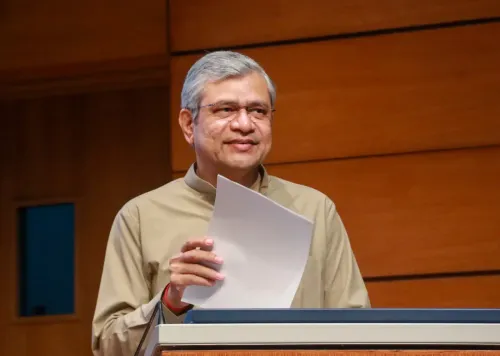
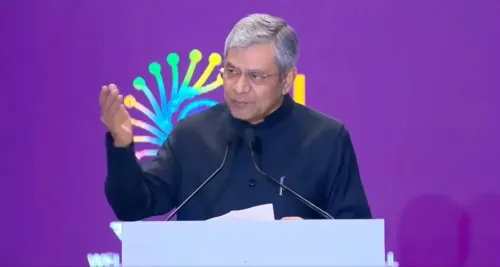
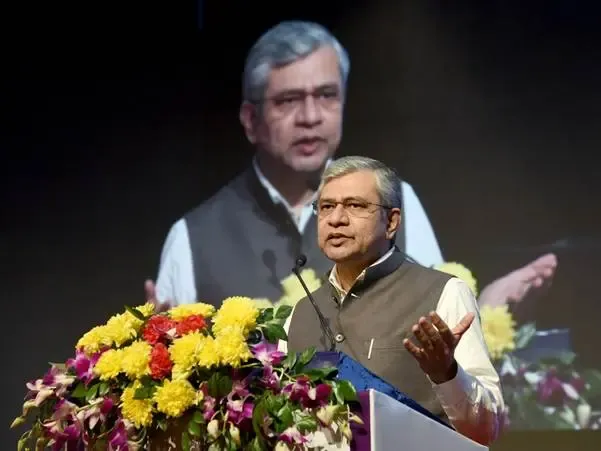
Union Minister for Information and Broadcasting Ashwini Vaishnaw on Monday, 16 November 2026, called on media professionals to balance freedom of expression with editorial responsibility and to actively adapt to rapid technological change. Speaking at the National Press Day celebrations organised by the Press Council of India (PCI) in New Delhi, Vaishnaw underlined the media's indispensable role in sustaining Indian democracy.
Key Remarks by the Minister
Vaishnaw highlighted the unprecedented pace of change in the media environment, warning that the next five years could bring transformations greater than those witnessed over the previous two decades. He urged young journalists to embrace this change and commit to continuously upgrading their skills rather than resisting shifts in the landscape.
Raising pointed questions about digital accountability, the minister asked whether community guidelines alone are adequate to address the surge in misinformation, deepfakes, misleading advertisements, so-called digital arrests, and harmful content targeting children. He stressed the need for a broader national deliberation on how the evolving media ecosystem should be governed to genuinely empower citizens.
What Other Speakers Said
Chanchal Kumar, Secretary of the Ministry of Information and Broadcasting, cautioned that popularity must not be allowed to eclipse truth, nor should virality override verification. Flagging the growing sway of TRPs, clicks, and digital engagement metrics, Kumar stressed that editorial judgement, fact-checking, and the clear separation of news from opinion remain non-negotiable. He also noted that while artificial intelligence can assist journalism, it cannot substitute for the accountability of a trained journalist.
Veteran journalist Rajat Sharma, who delivered the keynote address, drew attention to the thin line separating sensationalism from responsible reporting, reinforcing the centrality of editorial judgement in professional newsrooms.
Press Council's Commitment to Press Freedom
PCI Chairperson Justice (Retd.) Ranjana Prakash Desai reaffirmed the Council's commitment to protecting press freedom while improving journalistic standards. She observed that technological advances have made information accessible to millions within seconds, but cautioned that the ease of dissemination has outpaced the spread of journalistic ethics — noting that anyone with a phone and internet connection can now become a news disseminator, yet not everyone reporting the news is trained in or bound by those ethics.
Broader Context
National Press Day, observed annually on 16 November, marks the founding of the Press Council of India in 1966. This year's edition comes amid intensifying global debate over platform regulation, AI-generated content, and the erosion of advertising revenue from traditional newsrooms. India's digital news ecosystem, which now reaches hundreds of millions of users, has drawn increasing regulatory scrutiny, making the minister's remarks on governance of the digital space especially pertinent. The event signals that the Centre is closely watching how digital platforms self-regulate — and may be signalling readiness to intervene if voluntary measures prove insufficient.
Point of View
He is laying public groundwork for potential digital media governance measures — a pattern seen before major policy announcements. The irony is not lost: a government with its own complex relationship with press freedom is now championing journalistic responsibility. What matters is whether the deliberation he calls for produces a framework that protects citizens from harmful content without being weaponised to restrict legitimate criticism. That distinction will define whether these remarks are remembered as reform or as the preamble to greater state control.
NationPress
16 Nov 2026
Frequently Asked Questions
What did Ashwini Vaishnaw say at National Press Day 2026?
Information and Broadcasting Minister Ashwini Vaishnaw called on journalists to balance freedom of expression with editorial responsibility and to embrace technological change. He raised questions over whether platform community guidelines are adequate to tackle misinformation, deepfakes, misleading advertisements, and harmful content targeting children.
What is National Press Day and why is it observed?
National Press Day is observed every year on 16 November to mark the founding of the Press Council of India in 1966, the statutory body that promotes and safeguards press freedom in India. It serves as an occasion to review journalistic standards and address emerging challenges in the media ecosystem.
What concerns did speakers raise about digital media at the event?
Speakers raised concerns about the rise of misinformation, deepfakes, viral content overriding verified news, and the absence of journalistic training among a large number of online news disseminators. I&B Secretary Chanchal Kumar specifically cautioned that AI can assist but cannot replace the accountability of a trained journalist.
Who delivered the keynote at National Press Day 2026?
Veteran journalist Rajat Sharma delivered the keynote address at the National Press Day 2026 celebrations, emphasising the thin line between sensationalism and responsible reporting and the importance of editorial judgement.
What did PCI Chairperson Justice Ranjana Prakash Desai say?
PCI Chairperson Justice (Retd.) Ranjana Prakash Desai reaffirmed the Council's commitment to protecting press freedom and improving journalistic standards. She noted that while technology has made information accessible to millions within seconds, not everyone now disseminating news is trained in or bound by journalistic ethics.