Piyush Goyal Visits Bhagat Singh's Cell at Delhi University
Synopsis
Union Commerce Minister Piyush Goyal visited the historic basement of the Viceregal Lodge at Delhi University on 20 November 2026 — the cell where Shaheed Bhagat Singh was held before his 1931 execution — describing the experience as deeply emotional and a call to protect national sovereignty.
Key Takeaways
Piyush Goyal , Union Commerce and Industry Minister, visited the Viceregal Lodge basement at Delhi University on 20 November 2026 .
The basement is where Shaheed Bhagat Singh was lodged before his execution by British authorities in 1931 following the Lahore Conspiracy Case.
Goyal described the visit as emotionally stirring, reflecting on the sacrifices of India's freedom fighters.
The Viceregal Lodge was originally the official residence of the British Viceroy and is now part of Delhi University's campus.
The minister invoked Bhagat Singh's legacy as an inspiration to protect India's sovereignty, unity, and freedom.
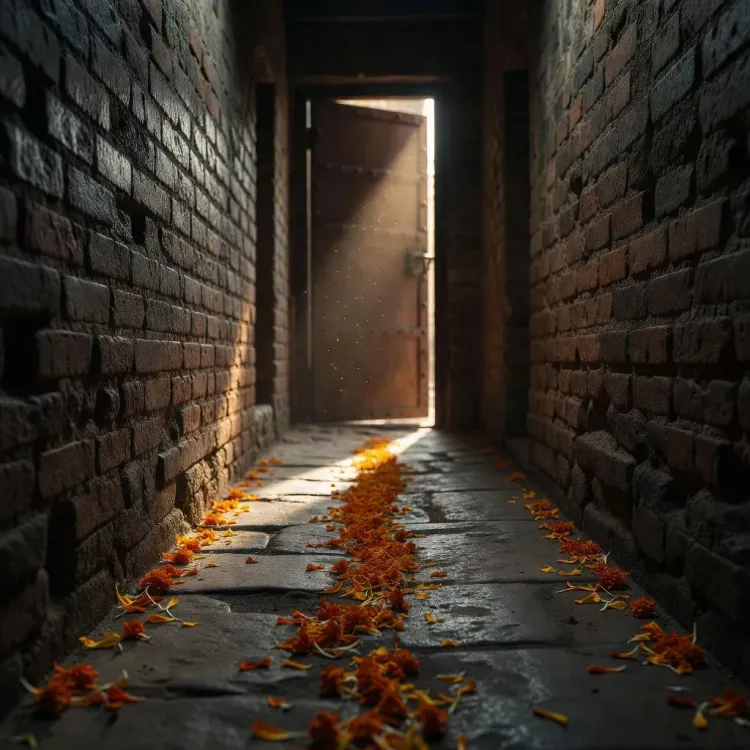
Beneath the grand corridors of Delhi University lies a windowless, dungeon-like basement that once held one of India's most defiant revolutionary sons — and on Friday, 20 November 2026, Union Commerce and Industry Minister Piyush Goyal walked into it, visibly moved. The minister visited the historic basement of the Viceregal Lodge, where Shaheed Bhagat Singh was lodged before he made what Goyal called 'the supreme sacrifice for Ma Bharati.'
Goyal described the experience with rare candour: 'The visit stirred me emotionally as I recounted the innumerable sacrifices that our freedom fighters made to ensure that we walk in freedom today.' The colonial-era structure, once the official residence of the British Viceroy, now sits within the sprawling campus of Delhi University — a central university established in 1922 that holds several buildings carrying the weight of that turbulent era.
A Dungeon at the Heart of Delhi's Academic Hub
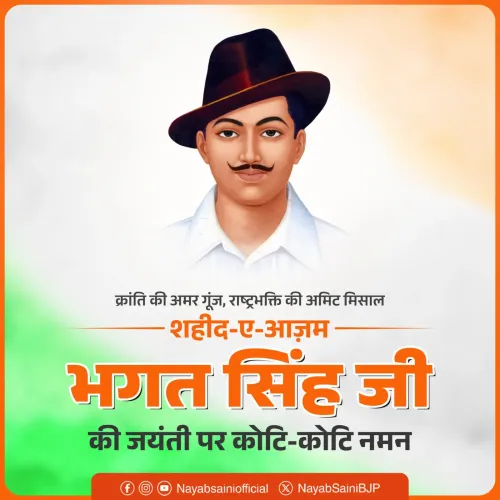
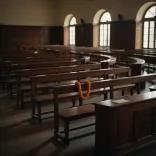
Bhagat Singh, hanged by British authorities on 23 March 1931 following the Lahore Conspiracy Case, is among the most enduring icons of India's freedom movement — revered across party lines, taught in schools, and invoked at virtually every major moment of national reckoning. The basement Goyal visited is described as a living testament to that era: no windows, no light, the architecture of colonial intimidation preserved within a building now devoted to education.
Goyal's post calls it 'a living, breathing piece of India's incredible freedom struggle in the heart of Delhi University' — framing the site not as a relic but as an active moral presence. 'Shaheed Bhagat Singh ji's life inspires us all to protect the sovereignty, unity, and freedom of our great nation,' he wrote, closing with the tricolour emoji and a folded hands gesture that underscored the solemnity of the moment.
Why Political Leaders Keep Returning to These Sites
Visits by Indian ministers to independence-era sites of significance have become a consistent feature of public life — a way of anchoring contemporary governance in the moral vocabulary of the freedom struggle. Bhagat Singh occupies a unique place in that vocabulary: a figure whose courage and sacrifice transcend political affiliation, making him one of the few historical personalities who draws genuine, cross-party reverence.
What gives Goyal's visit added texture is the location itself. The Viceregal Lodge basement is not a museum or a formal monument — it is an unremarked corner of an active university, the kind of place most visitors to Delhi University would walk past without a second thought. That quiet obscurity, Goyal seems to suggest, is precisely the problem. India walks in freedom today because men like Bhagat Singh endured places exactly like this — and that debt deserves more than a passing glance.
Whether this visit prompts formal steps toward conservation, improved public access, or a heritage designation for the site remains to be seen — but the minister's public reflection has already thrown a spotlight on a corner of Delhi's colonial past that rarely commands national attention.
Point of View
Goyal implicitly raises the question of whether India's most consequential colonial-era spaces receive adequate institutional recognition. The visit, shared publicly with evident personal emotion, also serves as a soft-power reminder of the BJP's consistent effort to claim the patriotic legacy of revolutionary freedom fighters alongside the Gandhian mainstream. If it triggers a conversation about heritage conservation at the Viceregal Lodge, it will have moved from gesture to policy impact.
NationPress
20 Nov 2026
Frequently Asked Questions
Where was Bhagat Singh held before his execution?
Bhagat Singh was held in the basement of the Viceregal Lodge in Delhi — now located within the Delhi University campus — before he was executed by British authorities on 23 March 1931.
What is the Viceregal Lodge in Delhi?
The Viceregal Lodge was the official residence of the British Viceroy in Delhi during colonial rule. After independence it was transferred to Delhi University, where the building and its historic basement still stand.
Why did Piyush Goyal visit Delhi University's Viceregal Lodge?
Union Minister Piyush Goyal visited the Viceregal Lodge basement on 20 November 2026 to pay tribute to Shaheed Bhagat Singh, describing the site as a living piece of India's freedom struggle.
Who was Shaheed Bhagat Singh?
Bhagat Singh was an Indian revolutionary freedom fighter, hanged by British colonial authorities on 23 March 1931 after the Lahore Conspiracy Case. He remains one of the most widely revered martyrs of India's independence movement.
Is the Viceregal Lodge basement open to the public?
The Viceregal Lodge basement is located within Delhi University's campus. Formal public access and heritage conservation status for the site have not been officially announced, though Goyal's visit has drawn renewed attention to it.