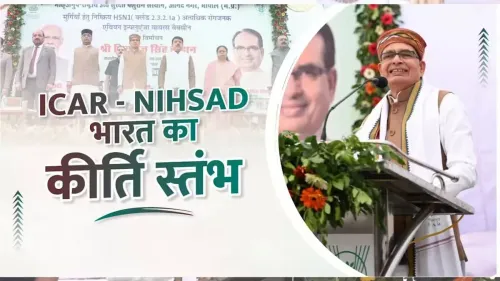
Shivraj hails India's first indigenous H5N1 bird flu vaccine
Synopsis
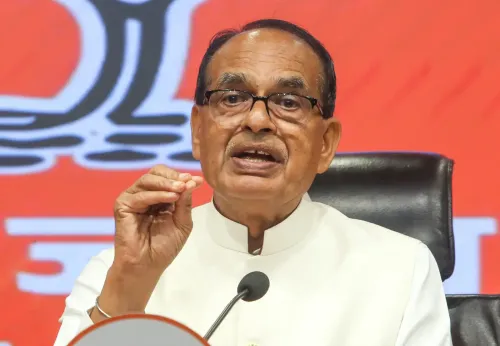
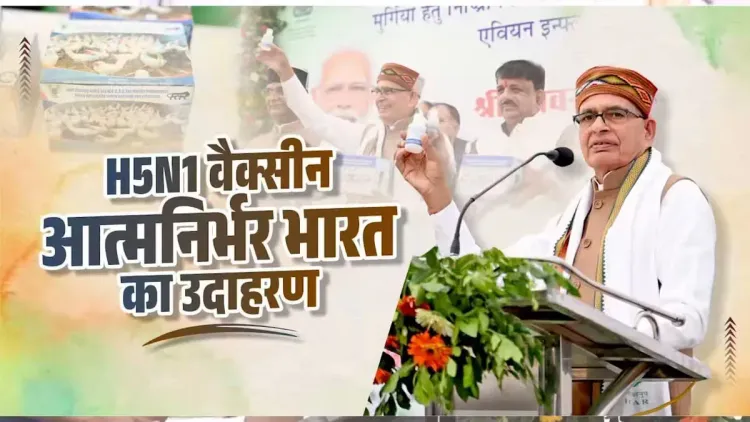
Union Agriculture Minister Shivraj Singh Chouhan has celebrated India's first home-grown H5N1 avian influenza vaccine as a landmark achievement of Atmanirbhar Bharat, while taking an implicit dig at leaders who question India's capabilities abroad.
Key Takeaways
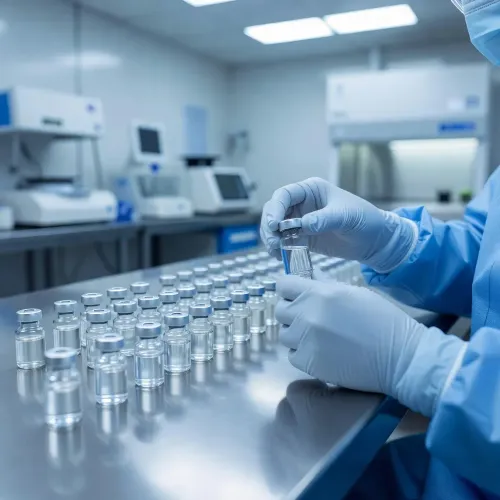
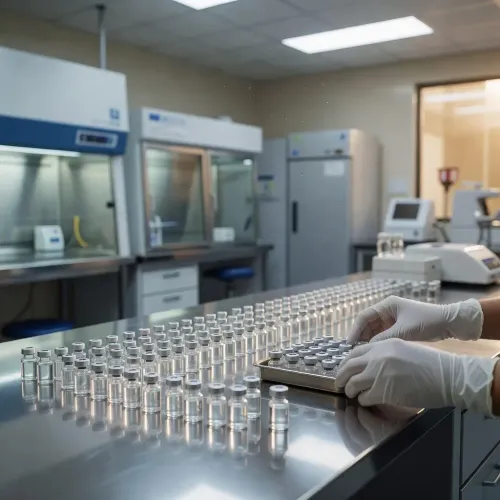
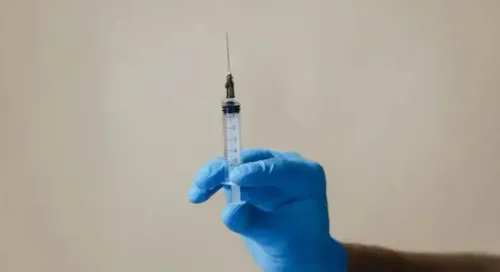
India's first indigenous H5N1 bird flu vaccine has been developed, hailed as a milestone in domestic scientific capability.
Union Agriculture Minister Shivraj Singh Chouhan announced and praised the development on 20 November 2026 .
Chouhan framed the achievement under the Atmanirbhar Bharat self-reliance initiative launched in 2020 .
Avian influenza outbreaks have periodically devastated poultry flocks across Indian states, making a domestic vaccine a long-sought tool for the sector.
Regulatory approvals and field trials remain ahead before the vaccine can be deployed in states reporting H5N1 outbreaks.
Chouhan used the moment to implicitly rebuke leaders who 'question India's capabilities abroad from constitutional positions.'
India's scientific community has cleared a milestone that the country's poultry sector has long needed: the development of the first home-grown H5N1 avian influenza vaccine — and Union Agriculture Minister Shivraj Singh Chouhan wasted no time marking the moment on Friday, 20 November 2026.
Posting on X, Chouhan called the breakthrough 'proof of our scientists' capability and the strength of an Atmanirbhar Bharat,' adding a pointed message for critics: 'Jo log samvaidhaanik padon par baith kar videshon mein Bharat ki kshamata par sawaal uthaate hain, ve aaj ke Bharat ko dekhen' — ('Those who sit in constitutional positions and question India's capabilities abroad should look at today's India'). The hashtag #SwadeshiVaccine framed it squarely as a self-reliance story.
Why an H5N1 vaccine matters for India's poultry belt
Avian influenza outbreaks have struck poultry flocks across multiple Indian states in recent years, triggering mass culls, farmer distress, and recurring import bans on poultry products. Each episode exposed a painful gap: India had no domestic vaccine shield, leaving animal-health authorities dependent on containment alone. An indigenous H5N1 vaccine, if it clears regulatory and field-trial hurdles, would change that calculus entirely — giving states an offensive tool rather than just a defensive cull order.
The poultry industry is the backbone of protein supply for millions of households and a livelihood source for a large segment of the rural economy, two constituencies that sit squarely in Chouhan's ministerial portfolio of Agriculture and Rural Development.
The Atmanirbhar Bharat lineage behind the vaccine push
This development sits inside a larger arc. When Covaxin and other domestic vaccines emerged during the COVID-19 pandemic from 2020 onwards, they reset global expectations of India's R&D capability. The Atmanirbhar Bharat framework, launched in 2020, institutionalised that ambition — pushing domestic manufacturing and research across health, technology and agriculture. The H5N1 vaccine appears to be the latest fruit of that sustained investment.
The next critical steps are regulatory approval, large-scale field trials, and a rollout plan targeting states with active or historically high H5N1 risk. How fast those gates open will determine whether this scientific achievement translates into real protection for farmers on the ground.
The political edge in Chouhan's framing
Chouhan's post carries a deliberate political charge. Without naming anyone, his reference to 'those who hold constitutional positions and question India's capabilities abroad' reads as a rebuke aimed at opposition leaders who have, in recent years, been accused by the ruling party of making remarks critical of India while on foreign soil. The vaccine announcement became a vehicle for a broader nationalist argument — a reminder of who Chouhan is as a communicator: a politician who rarely lets a policy win go uncontested.
Point of View
The BJP government reinforces a consistent message that domestic R&D under its watch has delivered where import-dependence once prevailed. The indirect attack on 'constitutional position holders' who criticise India abroad is a well-worn BJP line, suggesting the party views every policy win as ammunition in the nationalist credibility contest. For the agriculture ministry specifically, an indigenous animal-health vaccine would be a tangible win for a portfolio historically associated with agrarian distress rather than scientific breakthroughs.
NationPress
20 Nov 2026
Frequently Asked Questions
What is India's first indigenous H5N1 bird flu vaccine?
It is a domestically developed vaccine against the H5N1 strain of avian influenza, described by Union Agriculture Minister Shivraj Singh Chouhan as a landmark achievement of India's scientific community under the Atmanirbhar Bharat initiative.
Why is an H5N1 vaccine important for India?
H5N1 avian influenza outbreaks have repeatedly affected poultry farms across Indian states, forcing mass culls and causing major economic losses. A domestic vaccine would give authorities a preventive tool rather than relying solely on containment measures.
What is Atmanirbhar Bharat and how does it relate to vaccine development?
Atmanirbhar Bharat is a self-reliance initiative launched in 2020 to boost domestic manufacturing and research across sectors including health and agriculture. India's development of COVID-19 vaccines like Covaxin under this framework set a precedent that the H5N1 vaccine development now follows.
What did Shivraj Singh Chouhan say about India's H5N1 vaccine?
Chouhan called it 'proof of our scientists' capability and the strength of an Atmanirbhar Bharat,' and added that those who question India's capabilities abroad from constitutional positions should look at what India is achieving today.
What are the next steps for India's H5N1 bird flu vaccine?
The vaccine still needs to clear regulatory approvals and large-scale field trials before it can be deployed. Rollout is expected to be targeted at states with high or active H5N1 outbreak risk.