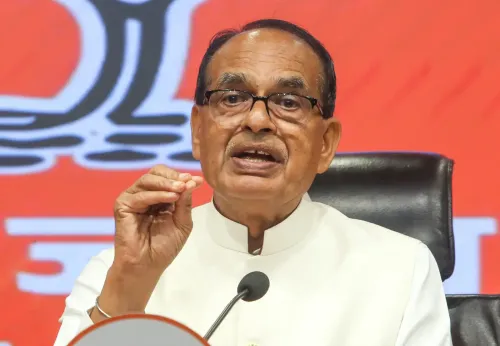
Shivraj Singh Chouhan Announces BSL-4 Lab at ICAR-NIHSAD
Synopsis
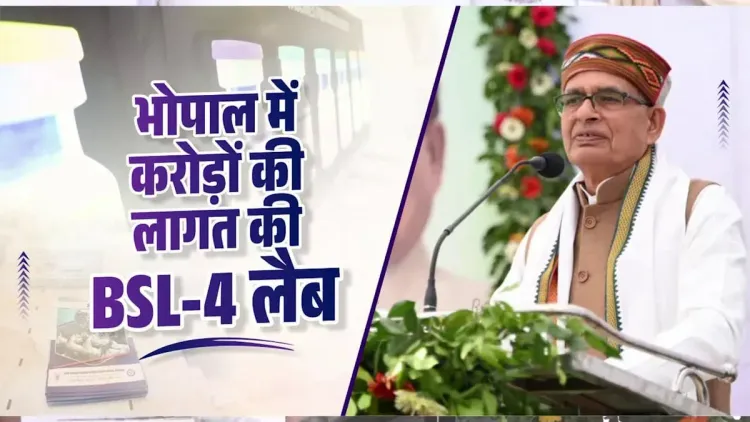
Union Agriculture Minister Shivraj Singh Chouhan has announced a BSL-4 laboratory at ICAR-NIHSAD in Bhopal, pledging full facilities to scientists under the #SwadeshiVaccine push — a move that could transform India's capacity to research and develop indigenous vaccines for dangerous animal pathogens.
Key Takeaways
Union Agriculture Minister Shivraj Singh Chouhan announced a BSL-4 laboratory at ICAR-NIHSAD, Bhopal on 20 November 2026 .
BSL-4 is the world's highest biological containment tier; India currently has no operational BSL-4 animal-disease lab.
NIHSAD is India's apex institute for exotic and emerging animal pathogens, operating under ICAR at BSL-3 level.
The announcement is tagged #SwadeshiVaccine , linking it to India's Atmanirbhar Bharat push for indigenous vaccine development launched in 2020 .
Chouhan pledged 'complete facilities' for scientists and offered personal political backing with his trademark 'Mama' self-reference.
Budgetary allocation and formal project sanction remain the critical next steps before construction can begin.
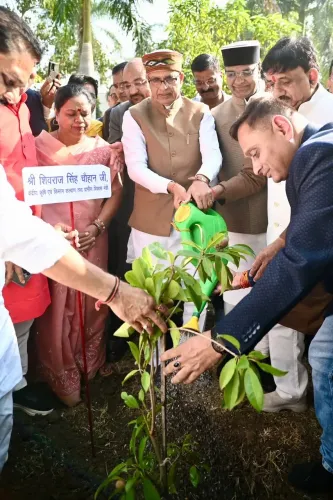
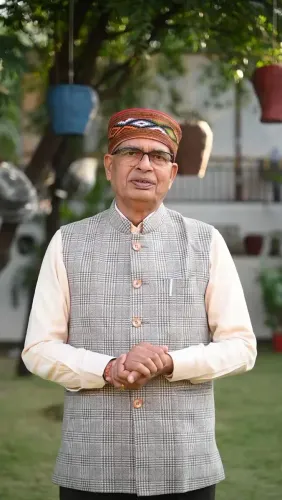
India's animal-disease research is about to get a serious upgrade. Union Agriculture Minister Shivraj Singh Chouhan announced on Friday, 20 November 2026 that a Biosafety Level-4 (BSL-4) laboratory will be built at the ICAR-National Institute of High Security Animal Diseases (NIHSAD) in Bhopal — the country's frontline facility for exotic and emerging animal pathogens. With the hashtag #SwadeshiVaccine, the minister made clear this is not just an infrastructure decision; it is a statement of scientific sovereignty.
Chouhan posted in Hindi: 'ICAR - NIHSAD संस्थान में बीएसएल-4 लैब बनाई जाएगी। वैज्ञानिकों को संपूर्ण सुविधाएँ उपलब्ध कराएँगे। आप काम करते रहो, मामा आपके साथ खड़ा है।' — translating to: 'A BSL-4 lab will be built at ICAR-NIHSAD. We will provide complete facilities to scientists. You keep working; Mama stands with you.' That last line, his trademark self-reference as 'Mama' — a term of endearment he earned across years as Madhya Pradesh's Chief Minister — signals something beyond policy announcement. It is a personal pledge of political backing to researchers who often work in conditions far short of what the science demands.
What a BSL-4 Lab Means for India's Animal-Disease Defence
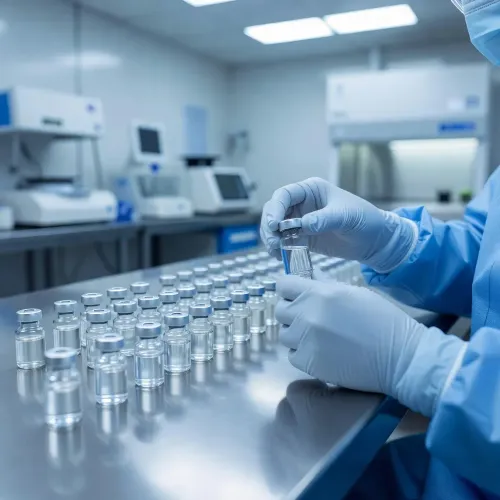
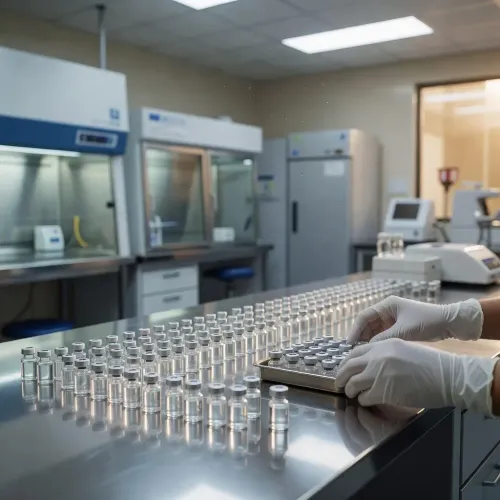
BSL-4 is the highest tier of biological containment — designed for pathogens with no known cure or vaccine, spread by airborne routes, and capable of crossing the species barrier into humans. India currently has no operational BSL-4 animal-disease laboratory. Without one, researchers studying highly dangerous zoonotic viruses — the kind that spark pandemics — must either avoid the work entirely or collaborate with foreign institutions. The gap is not academic; it is a direct constraint on India's ability to develop and certify domestic vaccines for the most dangerous livestock diseases.
NIHSAD, established under the Indian Council of Agricultural Research (ICAR) in Bhopal, already operates at BSL-3 and handles exotic pathogens like Foot-and-Mouth Disease, African Swine Fever, and Highly Pathogenic Avian Influenza. A BSL-4 upgrade would position it among a small global club of facilities capable of research on the most lethal animal pathogens — and would directly underpin the #SwadeshiVaccine goal of building vaccines entirely within Indian borders.
The Atmanirbhar Science Thread Running Through This Announcement
The Atmanirbhar Bharat initiative, launched in 2020, made indigenous vaccine development and biotechnology self-reliance a stated national priority. The livestock and agricultural science community has long argued that high-containment laboratory infrastructure is the missing link — you cannot develop a swadeshi vaccine for a virus you are not legally permitted to handle domestically. Successive governments have expanded high-containment lab capacity in human health (there is a BSL-4 facility at the National Institute of Virology, Pune), but the animal-health side has lagged.
Chouhan's announcement directly addresses that asymmetry. It also carries strategic weight for livestock farmers — India holds the world's largest bovine population and regularly faces transboundary disease outbreaks that devastate rural livelihoods. Faster domestic diagnosis and swadeshi vaccines could mean the difference between contained outbreaks and national crises.
What Still Needs to Happen
An announcement is a start, not a finish line. BSL-4 facilities take years and hundreds of crores of rupees to build, certify, and operationalise — from specialised positive-pressure suits and air-filtration systems to trained personnel and biosafety regulatory approvals. The key number to watch is the budgetary allocation in the upcoming Union Budget cycle, and whether a formal project sanction follows this ministerial commitment. Scientists at NIHSAD will be watching closely. The minister has said Mama is standing with them. Now comes the paperwork.
Point of View
He is simultaneously advancing a national security argument and consolidating his identity as a champion of scientists and rural welfare, two audiences central to the BJP's Madhya Pradesh and agricultural belt politics. The real test is whether the commitment survives the budget cycle: BSL-4 facilities are expensive, technically complex, and slow to build, and India's track record on high-containment lab timelines is mixed. If the allocation comes through, this could represent the most significant structural investment in animal-disease research infrastructure in a generation.
NationPress
20 Nov 2026
Frequently Asked Questions
What is a BSL-4 laboratory and why does India need one for animal diseases?
A BSL-4 lab is the highest level of biological containment, designed for pathogens with no known vaccines or cures that can spread between animals and humans. India currently lacks a BSL-4 animal-disease facility, which limits domestic research and vaccine development for the most dangerous zoonotic pathogens.
Where is ICAR-NIHSAD located and what does it do?
ICAR-NIHSAD — the National Institute of High Security Animal Diseases — is located in Bhopal, Madhya Pradesh . It is India's premier institute for research on exotic and high-security animal pathogens such as Foot-and-Mouth Disease, African Swine Fever, and Highly Pathogenic Avian Influenza.
What is the #SwadeshiVaccine initiative Shivraj Singh Chouhan referenced?
#SwadeshiVaccine refers to India's drive to develop indigenous vaccines for animal and human diseases without dependence on foreign research or imports, aligned with the Atmanirbhar Bharat initiative launched in 2020.
When will the BSL-4 lab at NIHSAD be ready?
No construction timeline or completion date has been announced yet. BSL-4 facilities typically take several years to build and certify; budgetary allocation and a formal project sanction are the immediate next steps to watch.
What does 'Mama' mean in Shivraj Singh Chouhan's posts?
'Mama' means maternal uncle in Hindi and is Shivraj Singh Chouhan's well-known self-reference, a nickname he acquired during his long tenure as Chief Minister of Madhya Pradesh to signal a close, familial bond with citizens and workers.