Goyal: West Bengal's tea, fish, crafts to gain from 9 FTAs
Synopsis
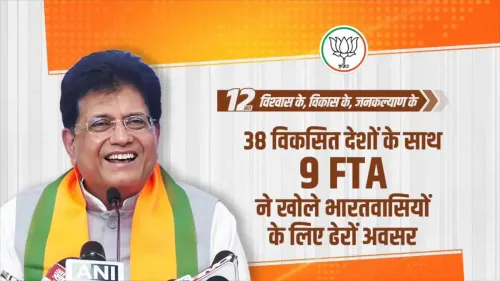
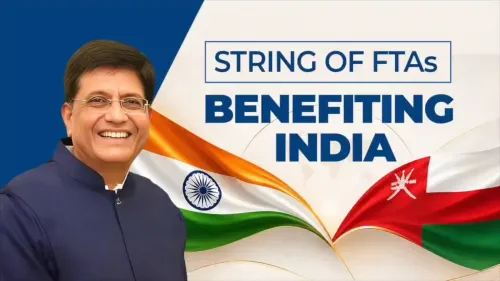
Union Commerce Minister Piyush Goyal on August 2, 2026, highlighted West Bengal's potential gains from nine FTAs under PM Modi, citing benefits for tea growers, fisherfolk, artisans, and youth — linking trade policy directly to the Viksit Bharat vision.
Key Takeaways
Piyush Goyal specifically named West Bengal as a major beneficiary of nine FTAs concluded under PM Narendra Modi .
Key beneficiaries cited: tea growers , fisherfolk , artisans in traditional handicrafts, and the state's youth and women .
Two publicly confirmed FTAs include the India-UAE CEPA (February 2022) and the India-Australia ECTA (December 2022).
The agreements offer preferential market access for goods including agricultural produce and marine products — sectors where West Bengal has direct stakes.
Goyal linked the FTA push to the government's Viksit Bharat vision of a developed India by 2047 .
The exact composition of all nine FTAs referenced by the minister could not be independently verified from public record.
For tea gardens in the Dooars, fishing villages along the Bay of Bengal coast, and artisans weaving the state's centuries-old crafts, a new trade architecture may be quietly reshaping what their exports can reach. Union Commerce and Industry Minister Piyush Goyal on Sunday, August 2, 2026, pointed directly at West Bengal as a state poised to draw outsized benefit from the nine landmark Free Trade Agreements concluded under Prime Minister Narendra Modi.
What Goyal said — and who he named
In his post on X, the minister was specific about beneficiaries: 'Tea growers, fisherfolk, artisans engaged in traditional handicrafts, and the state's youth and women.' The framing was deliberate — not industry in the abstract, but named livelihoods in a state where each of those sectors carries deep economic and political weight. Goyal linked the FTAs to 'higher production, boosted exports, and sustainable livelihoods,' tying it all to the government's overarching Viksit Bharat vision of a developed India by 2047.
Nine agreements, two confirmed anchors
India's FTA push since 2014 has been among the more assertive in the country's modern trade history. Two agreements that are publicly confirmed: the India-UAE Comprehensive Economic Partnership Agreement, signed in February 2022, and the India-Australia Economic Cooperation and Trade Agreement, concluded in December 2022. Both opened preferential access for goods ranging from agricultural produce to marine products — categories where West Bengal has a direct stake. The exact composition of all nine agreements Goyal references could not be independently verified from established public record.
Why West Bengal's sectors are in the frame
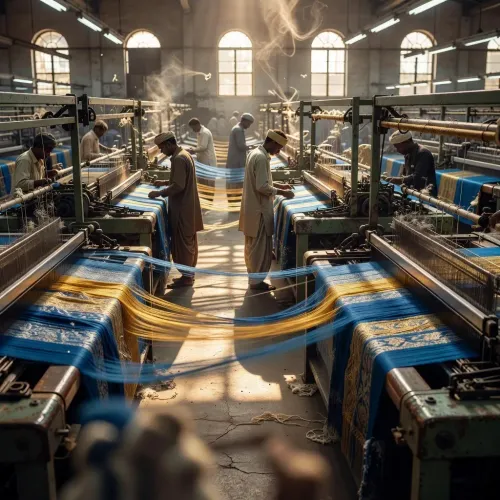
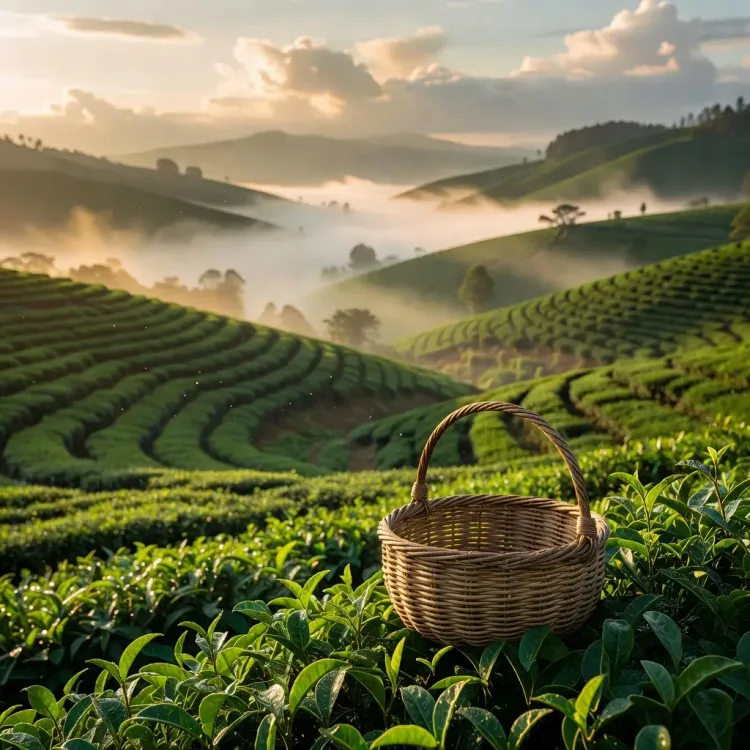
West Bengal is one of India's largest tea-producing states, home to the globally recognised Darjeeling and Dooars belts. Its coastline sustains a substantial marine export industry. Traditional handicrafts — from Kantha embroidery to terracotta and Baluchari silk — carry both cultural identity and export potential. Preferential tariff access in partner markets directly lowers the price barrier for these goods, which is why trade economists and state exporters watch FTA implementation closely. The minister's shout-out to 'youth and women' also signals the government's framing of trade policy as a social-mobility instrument, not just a macroeconomic lever.
The Bengal political undercurrent
The timing and geography of the statement are not incidental. West Bengal has long been a contested political terrain for the BJP, and a senior Union minister spotlighting state-specific gains from central trade policy is a familiar, if effective, mode of political communication. Goyal, as Leader of the House in the Rajya Sabha and one of the party's most prominent economic faces, carries the weight to make such a claim land. Whether West Bengal's exporters see the gains materialise will depend on implementation cells, state-level export facilitation, and how quickly partner-country customs systems process the new preferential schedules.
The deals are signed. The tariff lines are open. Whether Bengal's tea pickers and weavers feel it next season is the question that will outlast the post.
Point of View
Fish, and handicrafts — three sectors with deep grassroots employment — the minister is pitching trade liberalisation as a livelihood story, not a boardroom one. The Viksit Bharat anchor also signals that the FTA push is being consciously woven into the 2047 development narrative ahead of electoral cycles. The real test, as always, will be whether state-level export facilitation catches up with the ambition of the agreements themselves.
NationPress
2 Aug 2026
Frequently Asked Questions
Which Free Trade Agreements has India signed under PM Modi?
India has concluded multiple bilateral trade agreements since 2014, including the India-UAE Comprehensive Economic Partnership Agreement in February 2022 and the India-Australia Economic Cooperation and Trade Agreement in December 2022. Commerce Minister Piyush Goyal has referenced nine landmark FTAs in total, though the complete list has not been officially enumerated in this statement.
How will West Bengal benefit from India's Free Trade Agreements?
West Bengal's tea growers, fisherfolk, artisans in traditional handicrafts, and youth and women are expected to gain enhanced market access in partner countries, which can lower tariff barriers on exports like Darjeeling tea, marine products, and handicrafts such as Kantha and Baluchari silk.
What is Viksit Bharat and how does it relate to FTAs?
Viksit Bharat is the Indian government's vision for transforming India into a fully developed nation by 2047. The FTA push is framed as a key pillar of this vision, aiming to boost exports, integrate Indian producers into global value chains, and generate sustainable livelihoods.
What are West Bengal's main export sectors?
West Bengal is a major producer of tea, particularly from the Darjeeling and Dooars regions, and has a significant marine export industry along its Bay of Bengal coastline. The state is also known for traditional handicrafts including Kantha embroidery, Baluchari silk, and terracotta products.
Why is Piyush Goyal highlighting West Bengal for trade benefits?
As Union Commerce and Industry Minister and a senior BJP leader, Goyal's focus on West Bengal — a politically significant state — reflects both a policy communication strategy and the BJP's effort to demonstrate the tangible, state-specific impact of central trade policy decisions.