India's FTAs with developed economies to fuel growth, jobs and innovation: Piyush Goyal
Synopsis
India has quietly rewritten the FTA playbook — embedding $100 billion investment pledges and one-million-job targets directly into trade pacts, not just tariff schedules. With nine agreements covering 38 countries signed in under four years, Commerce Minister Piyush Goyal's pitch at the India Global Innovation Connect signals that trade policy is now India's primary lever for technology transfer and supply-chain integration.
Key Takeaways
Commerce Minister Piyush Goyal outlined India's FTA strategy at the 5th Annual Meeting of India Global Innovation Connect on 11 June in New Delhi .
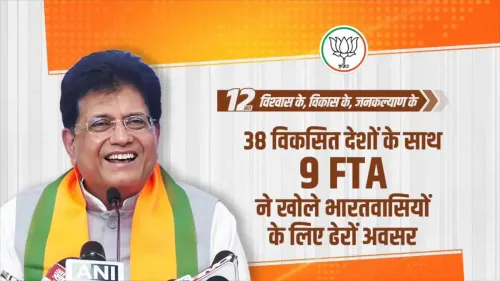
India has signed nine FTAs in the last three to three-and-a-half years , covering 38 countries .
The EFTA–India TEPA commits EFTA nations to invest $100 billion in India over 15 years and support one million direct jobs .
India is currently in the second year of implementing the EFTA agreement, with investment discussions actively under way.
Goyal highlighted complementary strengths: India's young workforce and domestic market versus partners' capital, technology and higher incomes.
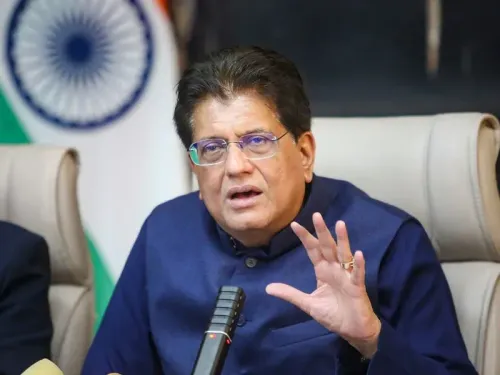
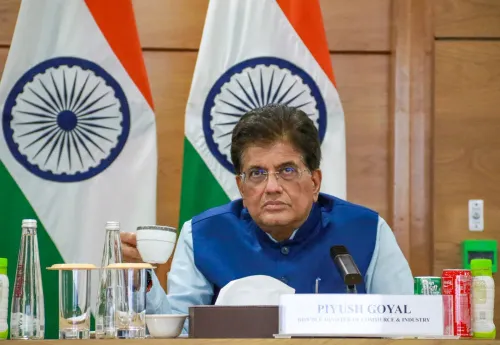
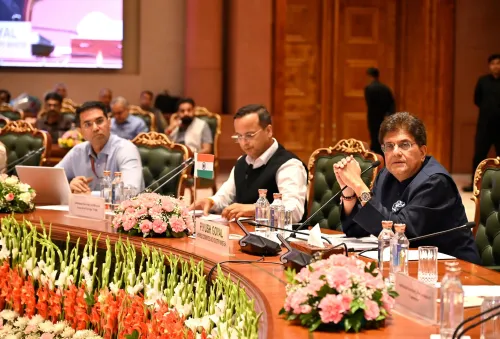
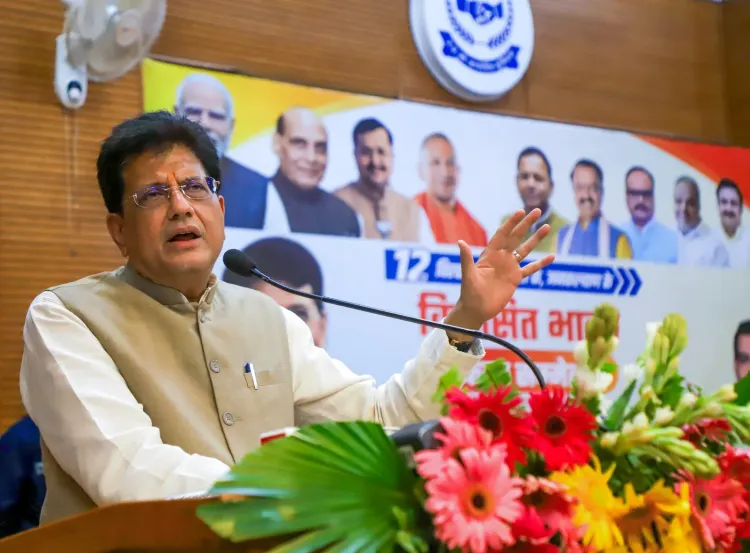
Union Commerce and Industry Minister Piyush Goyal on Thursday, 11 June said India's strategy of signing Free Trade Agreements (FTAs) with developed economies is deliberately designed to advance the country's long-term growth ambitions — expanding global engagement, attracting investments, fostering innovation, raising quality standards and generating employment at scale. He was addressing the closing session of the 5th Annual Meeting of India Global Innovation Connect in New Delhi.
The Strategic Logic Behind India's FTA Push
Goyal underscored the complementary strengths that make these partnerships mutually beneficial. Countries across Europe, North America, the Gulf region, Australia and New Zealand bring higher per capita incomes, advanced technologies and substantial capital resources to the table. India, in turn, offers a young and cost-competitive workforce alongside a rapidly expanding domestic market — a combination few other economies can replicate at this scale.
The minister noted that India has signed nine FTAs over the last three to three-and-a-half years, collectively covering 38 countries. These agreements, he said, are unlocking access to new markets, encouraging collaboration in emerging technologies and enabling deeper integration into global value chains while simultaneously generating investment and employment opportunities.
The EFTA Pact: A Template for Investment-Linked Trade
Goyal highlighted India's Trade and Economic Partnership Agreement (TEPA) with the European Free Trade Association (EFTA) as a landmark example of this approach. The pact covers Switzerland, Norway, Liechtenstein and Iceland, and has established a framework for trade, investment and innovation-led cooperation between the two sides.
Under the agreement, EFTA countries have committed to invest $100 billion in India over 15 years and support the creation of one million direct jobs. Goyal noted that India is currently in the second year of implementing the agreement, with discussions on investments under the framework actively progressing.
He described the investment commitment as a critical structural element of the pact — one that creates a balanced arrangement benefiting both India and its partner economies. Notably, this marks a departure from traditional FTAs that focus primarily on tariff liberalisation, embedding job-creation and capital-flow targets directly into the trade architecture.
Deeper Integration Into Global Value Chains
The minister's remarks come as India seeks to position itself as a credible alternative manufacturing and services hub amid global supply chain realignments. The FTA strategy, as articulated at the Innovation Connect, is not merely about market access — it is framed as a vehicle for technology transfer, quality upgradation and sectoral competitiveness.
This is the fifth edition of the India Global Innovation Connect, reflecting sustained institutional momentum behind India's outreach to innovation-driven economies. The forum has increasingly become a platform for translating bilateral trade frameworks into concrete investment and technology pipelines.
What Comes Next
With negotiations on FTAs with the United Kingdom and the European Union at advanced stages, Goyal's remarks signal that the government views this as an ongoing, accelerating programme rather than a completed agenda. The focus going forward, according to the minister, will be on converting signed agreements into tangible outcomes — particularly on the investment and employment fronts.
Point of View
And India's track record of converting FTA signings into measurable FDI inflows is mixed. With UK and EU deals still in negotiation, the government has momentum — but without transparent, time-bound tracking of investment and employment outcomes, the headline numbers risk becoming talking points rather than transformation triggers.
NationPress
24 Sept 2026
Frequently Asked Questions
How many FTAs has India signed in recent years?
India has signed nine Free Trade Agreements over the last three to three-and-a-half years, covering 38 countries. Commerce Minister Piyush Goyal highlighted this at the 5th Annual Meeting of India Global Innovation Connect on 11 June in New Delhi.
What is the India–EFTA TEPA and what does it commit to?
The Trade and Economic Partnership Agreement (TEPA) between India and the European Free Trade Association (EFTA) — covering Switzerland, Norway, Liechtenstein and Iceland — commits EFTA countries to invest $100 billion in India over 15 years and support the creation of one million direct jobs. India is currently in the second year of implementing the agreement.
Why is India focusing its FTA strategy on developed economies?
According to Minister Goyal, developed economies in Europe, North America, the Gulf, Australia and New Zealand offer advanced technologies, higher per capita incomes and significant capital — resources that complement India's young workforce, competitive costs and large domestic market. The aim is to attract investment, promote innovation and deepen integration into global value chains.
How do India's new FTAs differ from traditional trade agreements?
Unlike conventional FTAs that focus primarily on tariff liberalisation, India's recent agreements — particularly the EFTA TEPA — embed investment commitments and job-creation targets directly into the trade architecture. This approach is designed to ensure that market access is matched by tangible capital flows and employment outcomes.
What is the India Global Innovation Connect?
The India Global Innovation Connect is an annual forum that brings together stakeholders from India and partner economies to translate bilateral trade frameworks into concrete investment and technology pipelines. The 5th Annual Meeting was held in New Delhi on 11 June, with Piyush Goyal addressing the closing session.