India's FTAs to cover 75% of global trade; semiconductor rules in 2 months: Goyal
Synopsis
Commerce Minister Piyush Goyal revealed in Tokyo that India's FTA network is closing in on 75 per cent of global trade coverage, with $70 trillion already locked in and another $15 trillion in active negotiations. A separate pledge to overhaul semiconductor and auto-component rules within two months signals that regulatory friction — long the weak link in India's manufacturing pitch — is now squarely in the government's crosshairs.
Key Takeaways
Piyush Goyal said India's FTAs will cover roughly 75 per cent of global trade once ongoing negotiations conclude.
India has already signed nine FTAs in four years, covering economies with a combined GDP of $70 trillion across 38 developed countries .
Negotiations are under way with 8–9 more country groups and nations representing an additional $15 trillion in GDP.
New regulations for semiconductor and automotive component manufacturers will be introduced within two months , Goyal pledged.
The announcements were made during Goyal's visit to Tokyo on Monday, 24 August .
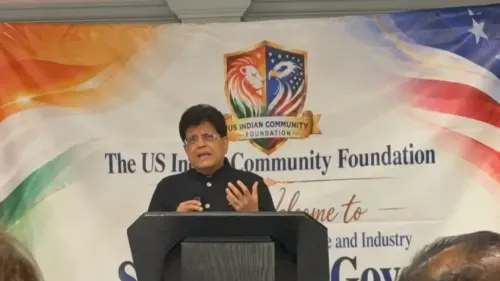
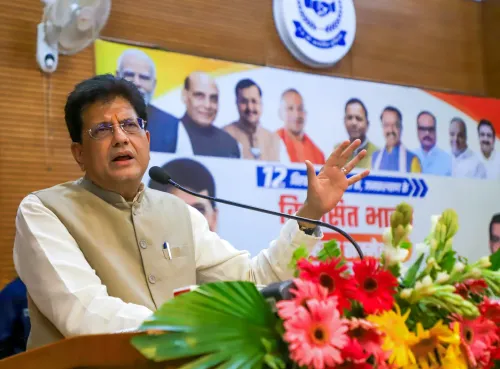
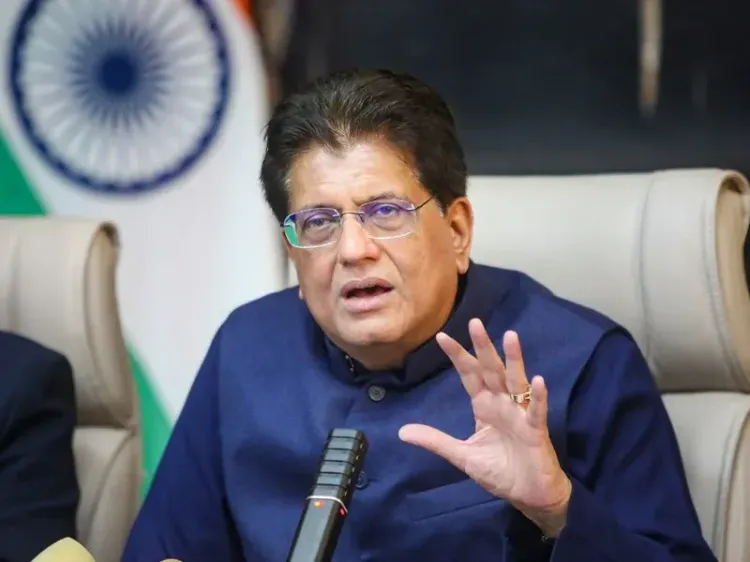
Commerce and Industry Minister Piyush Goyal on Monday said India's free trade agreements (FTAs) are on track to cover economies representing roughly 75 per cent of global trade, as New Delhi pursues negotiations with at least eight to nine additional country groups and individual nations accounting for a combined GDP of $15 trillion. Goyal made the remarks while addressing business representatives from India and Japan in Tokyo.
Scale of India's FTA Push
India has already signed nine FTAs over the past four years, granting preferential market access to economies with a combined GDP of around $60 trillion spanning 38 developed countries. Earlier agreements with nations such as Japan and South Korea, along with the ASEAN bloc, have added access to economies worth another $10 trillion, bringing current coverage to approximately $70 trillion of global GDP.
'Basically 75 per cent of global trade will be covered through our free trade agreements, opening India to become a part of the global value chain as a trusted partner,' Goyal said at the Tokyo event.
Semiconductor and Auto Rules Within Two Months
In a separate fireside chat with Nikkei Asia in Tokyo, Goyal announced that India would amend regulations and introduce new rules within the next two months to address concerns raised by semiconductor and automotive component manufacturers seeking to set up production facilities in the country.
'I have assured them within the next two months India will amend the regulations and bring in new rules to accommodate their requests and ensure they have no problems as they bring manufacturing into India,' Goyal said.
Why This Matters for Global Value Chains
The twin announcements signal a deliberate effort by New Delhi to position India as a manufacturing and trade hub at a time when global supply chains are being restructured away from single-country dependencies. The semiconductor push is particularly significant — India's ₹76,000 crore incentive programme for chip manufacturing has attracted interest from global players, and regulatory clarity has been a persistent sticking point for investors.
This comes amid growing competition from Vietnam, Mexico, and other emerging economies for the same pool of supply-chain investment. Notably, the pace of India's FTA signings — nine in four years — marks a sharp acceleration compared with the preceding decade, when trade deal momentum had largely stalled.
What Comes Next
Active FTA negotiations are reportedly under way with the European Union, the United Kingdom, and several Gulf and Indo-Pacific economies, among others. The completion of even a few of these deals could meaningfully expand India's export footprint. Industry observers will watch closely whether the promised regulatory amendments for semiconductors materialise within the stated two-month window, given that similar timelines have slipped in the past.
Point of View
But the harder question is quality, not quantity — how many of these FTAs will deliver meaningful market access rather than carve-out-heavy deals that protect domestic lobbies on both sides. India's track record on FTA utilisation by exporters has historically been poor, with many agreements underused due to complex rules of origin and documentation burdens. The semiconductor regulatory pledge is the more consequential commitment: chip manufacturers have flagged India's approval processes as a deal-breaker, and a two-month window is tight. If the government delivers, it could unlock the next wave of fab investment; if it slips, it risks signalling that India's manufacturing ambitions outpace its administrative bandwidth.
NationPress
8 Oct 2026
Frequently Asked Questions
What did Piyush Goyal announce about India's free trade agreements?
Commerce and Industry Minister Piyush Goyal said India's FTAs will cover approximately 75 per cent of global trade once ongoing negotiations with eight to nine more country groups and nations — representing $15 trillion in GDP — are concluded. India already has preferential access to economies with a combined GDP of $70 trillion through nine recently signed agreements and earlier deals with Japan, South Korea, and ASEAN.
Which countries is India currently negotiating FTAs with?
While Goyal did not name every partner, active negotiations are reportedly under way with the European Union, the United Kingdom, and several Gulf and Indo-Pacific economies. Together, the prospective partners account for around $15 trillion of global GDP, according to Goyal.
What changes are coming for semiconductor manufacturers in India?
Goyal pledged that India will amend existing regulations and introduce new rules within two months to address concerns raised by semiconductor and automotive component manufacturers planning to set up production facilities in the country. The move is aimed at removing regulatory friction that has been cited as a barrier to investment.
Why is India accelerating its FTA strategy?
India is repositioning itself as a trusted node in global value chains at a time when companies are diversifying supply chains away from single-country dependencies. Signing nine FTAs in four years marks a sharp acceleration from the previous decade, when India's trade deal momentum had largely stalled.
How does India's current FTA coverage compare with past agreements?
Earlier agreements with Japan, South Korea, and the ASEAN bloc gave India access to economies worth around $10 trillion. The nine FTAs signed over the last four years added roughly $60 trillion more, bringing total coverage to about $70 trillion — a figure that could rise to the equivalent of 75 per cent of global trade if ongoing talks succeed.