India's FTAs unlock $60 trillion market access, exports hit record $863 bn: Piyush Goyal
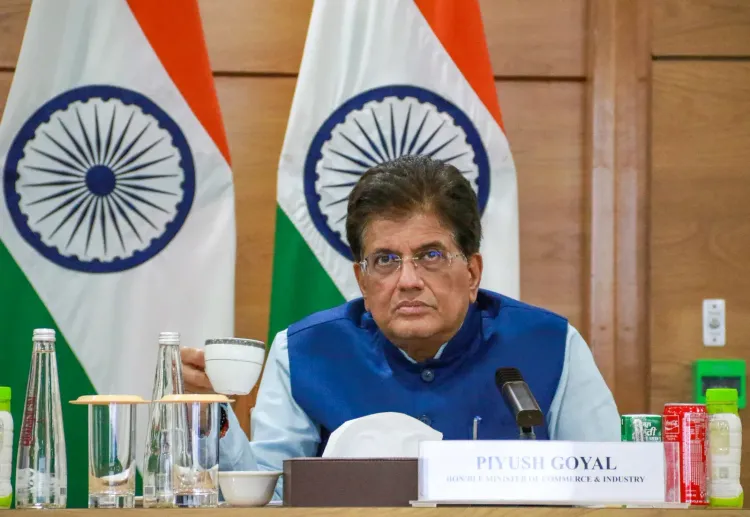
Synopsis
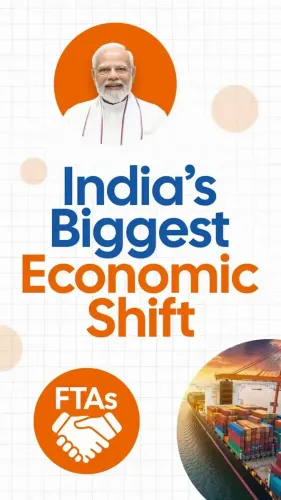
India's FTA push under PM Modi has unlocked access to markets worth nearly $60 trillion, Commerce Minister Piyush Goyal said — the same week the government revealed India's total exports hit a record $863.1 billion in FY2025-26. The twin data points mark the most concrete validation yet of the Centre's export-led growth strategy.
Key Takeaways
Commerce Minister Piyush Goyal said India's FTAs open access to markets worth nearly $60 trillion .
India's exports grew 73 per cent over the last five years, aided by lower or zero-duty FTA provisions.
India recorded its highest-ever total exports at $863.1 billion in FY2025-26 .
Merchandise exports stood at $441.8 billion ; services exports reached $421.3 billion .
Key beneficiary sectors include textiles , gems and jewellery , engineering goods , and pharmaceuticals .
Sensitive sectors such as dairy and agriculture are protected under the agreement frameworks.
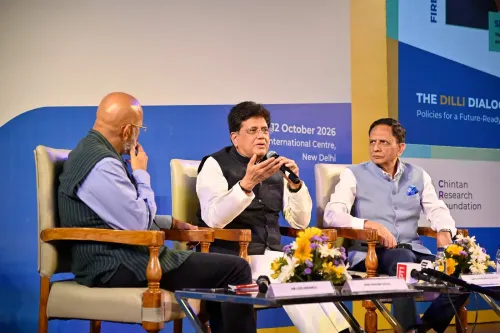
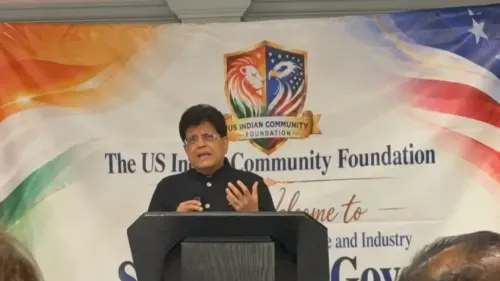
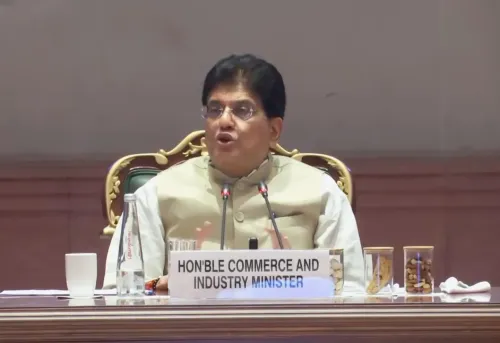
Union Commerce and Industry Minister Piyush Goyal on Wednesday, 29 July said India's recently concluded Free Trade Agreements (FTAs) are collectively opening access to markets valued at nearly $60 trillion, positioning the country as an emerging global export hub. Goyal credited Prime Minister Narendra Modi's trade expansion strategy for the momentum, saying the agreements were designed to unlock large-scale opportunities for Indian exporters across key sectors.
What the FTAs Cover
According to Goyal, the trade agreements negotiated under PM Modi's leadership are aimed at expanding market access, boosting domestic manufacturing, and generating employment. Sectors such as textiles, gems and jewellery, engineering goods, and pharmaceuticals are among the primary beneficiaries, gaining entry into partner markets through reduced or zero-duty provisions.
Notably, the agreements also include safeguards for sensitive domestic sectors — particularly dairy and agriculture — ensuring that market opening does not expose vulnerable segments to unchecked import competition.
Export Growth and Record Numbers
India's overall exports have grown by 73 per cent over the past five years, according to data cited by the minister. In a separate development, the government informed Parliament on Tuesday that India recorded its highest-ever total exports at $863.1 billion in FY2025-26.
Of this, merchandise exports stood at $441.8 billion, while services exports reached $421.3 billion during the fiscal year. The figures were shared by Minister of State for Commerce and Industry Jitin Prasada in the Lok Sabha, reflecting the combined strength of India's goods and services sectors.
Investment and Global Value Chains
Beyond market access, the FTAs are reportedly drawing billions of dollars in foreign investment into India, helping domestic businesses integrate into global value chains. The government has positioned these agreements as a central pillar of its strategy to attract foreign capital and expand India's manufacturing base.
This comes amid a broader push by the Centre to reduce dependence on a narrow set of export destinations and diversify India's trade footprint across Europe, the Gulf, and the Indo-Pacific.
Strategic Significance
India has been actively pursuing trade agreements with major economies to deepen its integration with global supply chains. Goyal described the FTAs as reflecting the government's vision of transforming India into an export-driven economy and a significant player in international trade.
With record export numbers now on the books and multiple FTA negotiations either concluded or under way, the government's next challenge will be translating market access into sustained export volume growth — particularly as global demand conditions remain uneven.
Point of View
Not the share of that market India can realistically capture. India's export growth of 73 per cent over five years is genuine, but the base effect and a global commodity price surge in that period flatter the figure. The real test of the FTA strategy is whether India's share in partner-country imports rises — not just whether total export value grows. With merchandise and services exports both at record highs, the structural direction is right, but translating access into sustained market share gains requires competitive manufacturing costs and logistics improvements that policy alone cannot deliver.
NationPress
28 Oct 2026
Frequently Asked Questions
What is India's FTA strategy and which markets does it cover?
India has been negotiating and concluding Free Trade Agreements with major economies to reduce or eliminate tariffs on Indian goods and services. According to Commerce Minister Piyush Goyal, these agreements collectively open access to markets worth nearly $60 trillion, spanning regions including Europe, the Gulf, and the Indo-Pacific.
What were India's total exports in FY2025-26?
India recorded its highest-ever total exports at $863.1 billion in FY2025-26. Merchandise exports stood at $441.8 billion and services exports reached $421.3 billion, as disclosed by Minister of State Jitin Prasada in the Lok Sabha.
Which sectors benefit most from India's FTAs?
Textiles, gems and jewellery, engineering goods, and pharmaceuticals are among the primary beneficiaries, gaining access to partner markets through lower or zero-duty provisions under the FTA frameworks.
Are sensitive sectors like dairy and agriculture protected under these FTAs?
Yes. The government has stated that the FTA frameworks include specific safeguards for sensitive domestic sectors, particularly dairy and agriculture, to shield them from unrestricted import competition.
How much have India's exports grown in recent years?
India's exports have grown by 73 per cent over the last five years, according to data cited by Commerce Minister Piyush Goyal, with FTAs credited as a key driver alongside growth in manufacturing and services.