Gujarat monsoon health drive: 29,759 homes inspected, 714 chlorine tests in Ahmedabad
Synopsis
After heavy monsoon rainfall, Ahmedabad and Gandhinagar have launched one of their most operationally intensive post-rain health drives — 714 chlorine tests, nearly 30,000 home inspections, drone-sprayed larvicide over inaccessible lakes, and 37,887 chlorine tablets distributed in a single day. The scale signals how seriously Gujarat's civic bodies are treating this monsoon's disease-outbreak risk.
Key Takeaways
The Ahmedabad Municipal Corporation (AMC) conducted 714 chlorine tests and collected 334 water samples across 7 zones by 9 am on 4 August .
10,022 chlorine tablets were distributed in Ahmedabad on Tuesday; 37,887 tablets were distributed on 3 August alone.
The Gandhinagar Municipal Corporation (GMC) deployed 150 vector control teams to inspect 29,759 houses and 38,624 water-holding containers over three days.
395 houses in Gandhinagar were found with active mosquito breeding; 629 containers tested positive.
Drones sprayed 3,000 litres of biological larvicide over lakes and inaccessible areas; another round is planned in August .
Blood samples were collected from 271 suspected fever cases in Gandhinagar for laboratory diagnosis.
Health authorities in Ahmedabad and Gandhinagar have sharply scaled up post-rainfall disease surveillance, with civic teams conducting 714 chlorine tests, inspecting nearly 30,000 homes, and deploying drones to spray biological larvicide across inaccessible water bodies as part of a citywide monsoon health drive. The intensified operations, reported as of 4 August, aim to contain the spread of water-borne and vector-borne diseases triggered by recent heavy rainfall across Gujarat.
Ahmedabad's Water Quality Checks
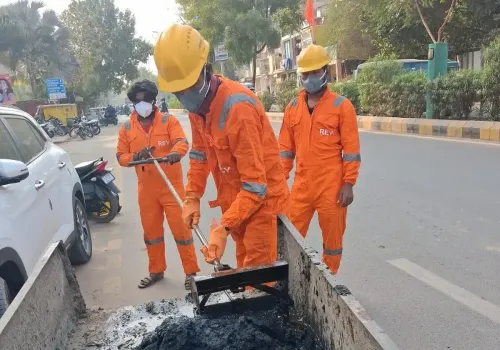
The Ahmedabad Municipal Corporation (AMC) Health Department had, by 9 am on Tuesday, conducted 714 chlorine tests and collected 334 drinking water samples for laboratory examination across the city's seven zones. The South Zone recorded the highest activity, with 172 chlorine tests and 76 water samples, followed by the West Zone with 134 tests and 66 samples.
The North Zone carried out 98 chlorine tests and collected 49 samples, the East Zone conducted 91 tests and 48 samples, the Central Zone completed 89 tests and 40 samples, the South West Zone ran 68 tests and 29 samples, and the North West Zone completed 62 tests and 26 samples. On 3 August alone, teams had conducted 2,258 chlorine tests citywide.
Chlorine Tablets and Mobile Medical Teams
To ensure safe drinking water at the household level, the AMC distributed 10,022 chlorine tablets across all zones on Tuesday, with the South Zone receiving the largest share of 1,796 tablets. On 3 August, the corporation had distributed 37,887 chlorine tablets in a single day. Mobile medical vans and teams have been deployed in rain-affected localities, providing free health check-ups, distributing essential medicines, and offering health guidance to residents.
Gandhinagar's Mosquito-Control Blitz
In Gandhinagar, the Gandhinagar Municipal Corporation (GMC) stepped up vector-control operations after a break in the rains. Over a three-day period, 150 vector control teams inspected 29,759 houses and examined 38,624 water-holding containers — including tanks, drums, barrels, and pots. Of these, 395 houses were found to have active mosquito breeding, with 629 containers testing positive for breeding activity.
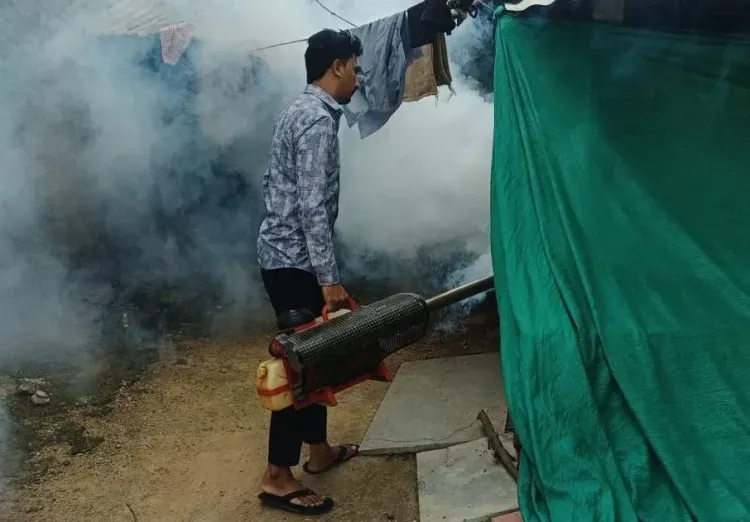
Breeding sources were destroyed on the spot, and Abate larvicide treatment was carried out in clean water storage containers. Officials also collected blood samples from 271 suspected fever cases for laboratory diagnosis. As part of post-rain operations, 430 litres of burnt oil were sprayed in roadside pits, drains, tanks, and stagnant water locations to suppress mosquito breeding.
Drone Spraying and Indoor Fogging
In a notable operational escalation, the GMC deployed drones to spray 3,000 litres of biological larvicide over large lakes and locations inaccessible to ground teams — a method increasingly adopted by urban civic bodies across India for post-monsoon vector control. Indoor fogging was carried out in 1,392 houses during the past week, alongside one round of outdoor cold fogging. The corporation confirmed that another round of drone spraying would be undertaken during August.
The GMC urged residents to wear full-sleeved clothing during the day, sleep under mosquito nets at night, and prevent water stagnation in and around their homes. Both civic bodies said preventive operations would continue throughout the monsoon season.
Point of View
150 vector teams, 37,000-plus chlorine tablets in a single day — reflects how badly Gujarat's urban civic bodies were caught off-guard by early monsoon intensity in previous years. What's worth watching is the follow-through: breeding was found in 395 houses despite active surveillance, which points to compliance gaps at the household level that tablets and fogging alone cannot fix. The drone larvicide deployment is a genuine operational upgrade, but its effectiveness depends on repeat coverage frequency, which the GMC has only vaguely committed to. If fever case counts from the 271 blood samples return significant positives, the pressure on both AMC and GMC to escalate further will be immediate.
NationPress
19 Sept 2026
Frequently Asked Questions
Why are Ahmedabad and Gandhinagar conducting these health inspections?
Both cities have intensified disease surveillance following recent heavy monsoon rainfall, which creates conditions for water-borne and vector-borne diseases. The Ahmedabad Municipal Corporation and Gandhinagar Municipal Corporation are running chlorine tests, household inspections, and mosquito-control operations to prevent outbreaks.
How many chlorine tests has Ahmedabad conducted during the monsoon drive?
The AMC conducted 714 chlorine tests and collected 334 drinking water samples across its seven zones by 9 am on 4 August. On 3 August, teams had carried out 2,258 chlorine tests citywide in a single day.
What did Gandhinagar's mosquito inspections find?
Over three days, GMC teams inspected 29,759 houses and 38,624 water-holding containers. They identified 395 houses with active mosquito breeding and 629 containers testing positive, all of which were treated or destroyed immediately.
How are drones being used in the mosquito-control drive?
The Gandhinagar Municipal Corporation deployed drones to spray 3,000 litres of biological larvicide over large lakes and areas inaccessible to ground teams. A second round of drone spraying is planned during August to prevent further mosquito breeding.
What precautions are civic authorities advising residents to take?
The GMC has urged residents to wear full-sleeved clothing during the day, sleep under mosquito nets at night, and ensure water does not stagnate in or around their homes. The AMC is also providing free health check-ups and distributing medicines through mobile medical teams in rain-affected areas.