Gujarat tests 94 lakh for malaria in 2026 as monsoon disease drive peaks
Synopsis
Gujarat has tested a record 94 lakh people for malaria in 2026 — and found only 486 positive cases, suggesting early-detection is working. With 29 lakh breeding sites destroyed, larvivorous fish deployed at nearly 5,000 locations, and a second insecticide round due on 1 August, the state is running one of India's most intensive monsoon disease suppression operations this year.
Key Takeaways
Gujarat has collected a record 94 lakh blood samples for malaria testing in 2026 , with 486 positive cases identified and all given free treatment.
More than 19,500 health teams have conducted house-to-house visits covering 6.51 crore people across the state.
Special diagnostic centres at 42 medical college hospitals have tested 65,293 samples for dengue and 9,963 for chikungunya.
Over 29 lakh mosquito breeding sites have been destroyed; fogging carried out in more than 3 lakh houses .
Larvivorous fish introduced at 4,998 stagnant water locations ; second round of insecticide spraying set for 1 August .
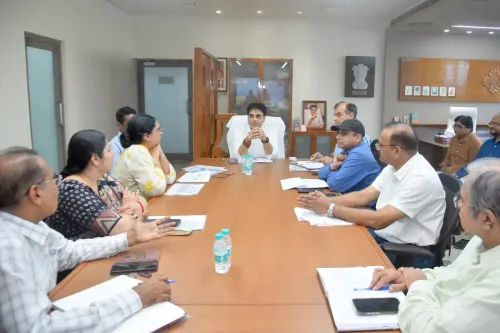
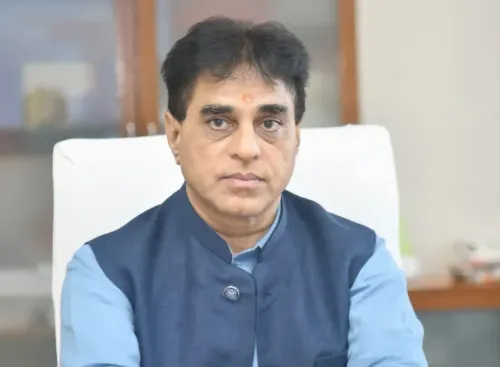
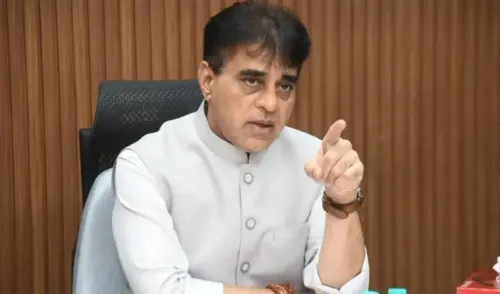
The drive is being led by Health Minister Praful Pansheriya under the National Vector Borne Disease Control Programme .
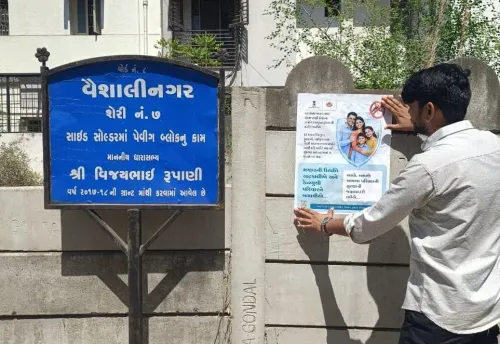
The Gujarat Health Department has collected over 94 lakh blood samples for malaria testing in 2026, marking a record-high surveillance effort as the state scales up its monsoon vector-borne disease response. More than 19,500 health teams have conducted house-to-house visits, reaching a population of over 6.51 crore across Gujarat to screen, detect, and treat mosquito-borne illnesses including malaria, dengue, and chikungunya.
Scale of the Testing Drive
Of the 94 lakh blood samples tested for malaria, 486 individuals returned positive results — all of whom have been provided free treatment by the state government, according to official statements. A second round of house-to-house visits identified 28 new malaria cases, with treatment initiated immediately upon detection.
For other vector-borne diseases, the department has established special diagnostic centres at 42 medical college-attached hospitals across the state. These centres have processed 65,293 serum samples for dengue and 9,963 serum samples for chikungunya.
Vector Control on the Ground
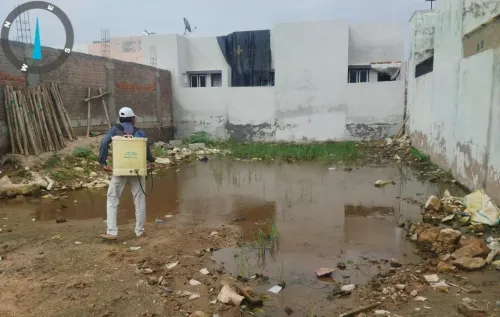
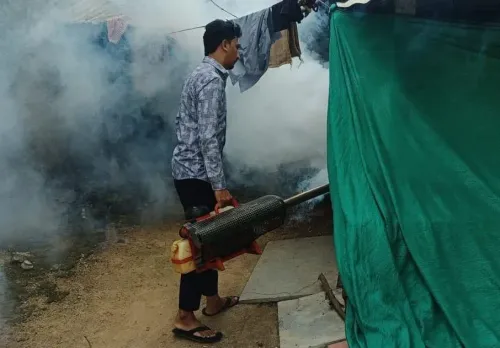
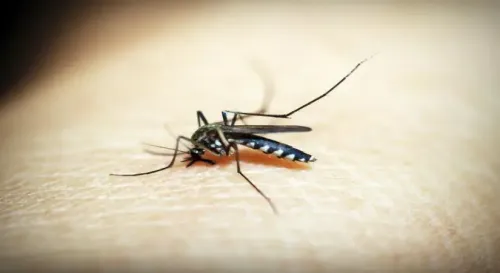
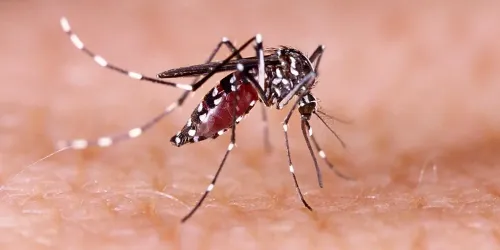
Field operations have been extensive. Authorities have destroyed more than 29 lakh mosquito breeding sites statewide, while fogging operations have been carried out in over 3 lakh houses. To address stagnant water bodies that persist year-round, larvivorous fish — which feed on mosquito larvae — have been introduced at 4,998 locations, offering a biological, chemical-free layer of control.
The first round of insecticide spraying has covered approximately 1.06 lakh people across 116 villages in 24 districts identified as sensitive to vector-borne disease transmission. A second round of spraying is scheduled to commence on 1 August.
Government Leadership and Community Outreach
The campaign is being implemented under the National Vector Borne Disease Control Programme, guided by Chief Minister Bhupendra Patel and led on the ground by Health Minister Praful Pansheriya. Pansheriya has appealed to sarpanches across Gujarat to mobilise community support, framing the anti-vector drive as a people's movement rather than a purely administrative exercise.
The Health Department has confirmed that adequate stocks of anti-malaria medicines, insecticides, and larvicides are available statewide. Awareness campaigns are running across social and print media platforms.
Monitoring and What Comes Next
Disease trends are being tracked on a daily, weekly, and monthly basis to guide the state's evolving response, officials noted. With the monsoon season at its peak, the second round of insecticide spraying beginning in August will be a key indicator of whether the state can hold transmission rates at current low levels. The positivity rate among tested samples — 486 cases from 94 lakh tests — points to effective early-detection containment, though public health experts typically caution that monsoon transmission risk remains elevated through September.
Point of View
On its face, an impressive containment signal — but the figure also reflects the limits of self-reported fever screening during early monsoon, when many infections are still incubating. Gujarat's deployment of larvivorous fish and the scale of breeding-site destruction are genuinely noteworthy public health interventions, yet the real test will come in August and September when transmission peaks. The appeal to sarpanches to turn this into a 'people's movement' is the right instinct — vector control consistently fails when it is treated as a government programme alone rather than a community responsibility.
NationPress
15 Oct 2026
Frequently Asked Questions
How many malaria tests has Gujarat conducted in 2026?
Gujarat has collected over 94 lakh blood samples for malaria testing in 2026, according to the state Health Department. Of these, 486 people tested positive and all have been provided free treatment by the government.
Which diseases are being tracked under Gujarat's monsoon health drive?
The campaign covers malaria, dengue, and chikungunya — the three primary vector-borne diseases that spike during the monsoon season. Special diagnostic centres at 42 medical college hospitals are testing serum samples for dengue and chikungunya alongside the mass malaria blood-testing programme.
What vector control measures has Gujarat deployed?
Authorities have destroyed more than 29 lakh mosquito breeding sites and conducted fogging in over 3 lakh houses. Larvivorous fish have been introduced at 4,998 stagnant water locations, and insecticide spraying has covered 1.06 lakh people across 116 villages in 24 districts, with a second round scheduled for 1 August.
Who is leading Gujarat's vector-borne disease control programme?
The campaign is being implemented under the National Vector Borne Disease Control Programme, guided by Chief Minister Bhupendra Patel and led by Health Minister Praful Pansheriya. Pansheriya has urged sarpanches statewide to mobilise community participation.
How many people have been covered in the house-to-house health visits?
More than 19,500 health teams have visited homes across Gujarat, collectively covering a population of over 6.51 crore. During the second round of visits, 28 new malaria cases were identified and treatment was started immediately.