Rajkot logs just 1 dengue case in May 11-17 week, zero malaria and chikungunya
Synopsis
Rajkot's mosquito control push is showing results: just one dengue case in the week of May 11–17, with malaria and chikungunya at zero. The RMC covered 29,155 houses with anti-larval treatment and issued 277 notices for breeding sources — all ahead of the monsoon, when vector-borne disease risk typically spikes.
Key Takeaways
Rajkot recorded 1 dengue case and zero malaria and chikungunya cases during the week of 11–17 May 2025 .
Anti-larval operations were conducted at 29,155 houses ; fogging carried out at 133 houses during the week.
Inspections covered 655 premises ; notices issued to 245 residential and 32 commercial establishments for mosquito breeding.
Year-to-date cumulative totals: 3 malaria , 14 dengue , and 1 chikungunya case since 1 January .
1,434 chlorine tests conducted during the week to monitor water safety.
No dysentery or cholera cases reported either weekly or cumulatively in 2025.
The Rajkot Municipal Corporation (RMC) health department reported only one dengue case during the week of 11–17 May, with zero malaria and zero chikungunya cases recorded in the city — a result the civic body attributed to sustained mosquito control operations and active disease surveillance across Rajkot, Gujarat.
Scale of Vector Control Operations
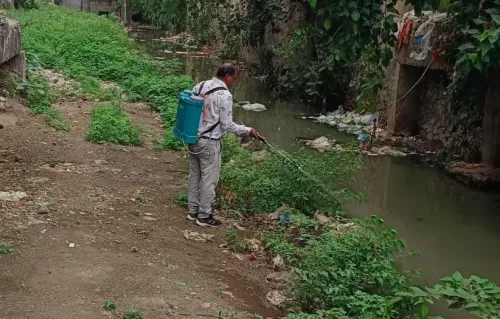
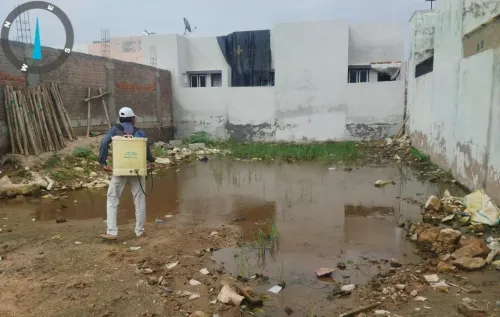
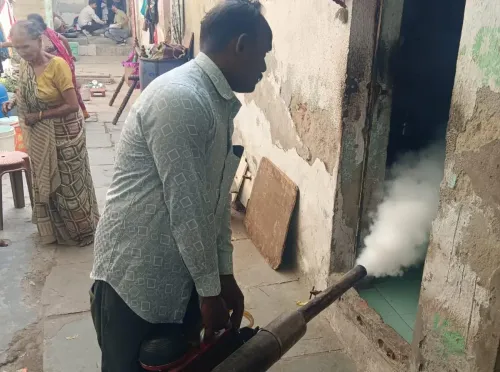
Anti-larval operations were carried out at 29,155 houses during the reporting week, while fogging was conducted at 133 houses by ground teams. Vehicle-mounted fogging machines were additionally deployed in zones with higher mosquito density.
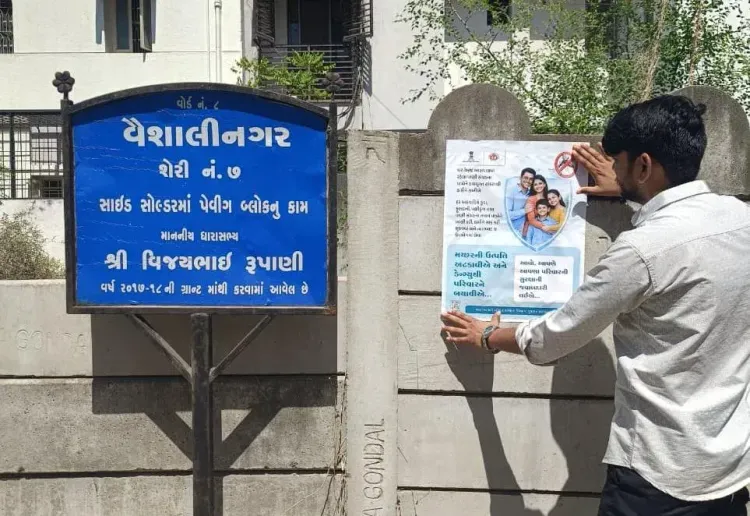
According to the department, coverage extended to sensitive residential localities, public roads, and high-footfall locations. Inspections were conducted at 655 premises spanning construction sites, schools, hospitals, hotels, industries, hostels, commercial complexes, scrap yards, cellars, halls, farmhouses, party plots, religious places, petrol pumps, and government offices.
Notices Issued for Breeding Sources
Following inspections, notices were issued under municipal by-laws to 245 residential premises and 32 commercial establishments where mosquito breeding sources were detected. The civic body stated that owners, occupiers, or responsible persons of such premises are held accountable and face administrative charges alongside formal notices.
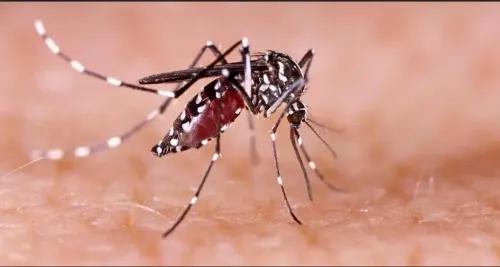
The RMC noted that Aedes mosquitoes — the primary dengue vector — are daytime biters capable of rapidly spreading infection in densely populated areas. Mosquito breeding tends to accelerate in urban settings due to stagnant clean water, sanitation gaps, and household negligence, officials said.
Cumulative Disease Data for 2025
Year-to-date figures from 1 January show 3 malaria cases, 14 dengue cases, and 1 chikungunya case — all low by historical urban benchmarks. No cases of dysentery or cholera were reported either during the week or in cumulative totals since the year began.
Other communicable diseases recorded during the week included 606 cases of cold and cough, 819 cases of general fever, 429 cases of diarrhoea and vomiting, and 3 cases of typhoid fever. Year-to-date totals stand at 15,838 cold and cough cases, 13,950 general fever cases, 5,052 diarrhoea and vomiting cases, 13 typhoid cases, and 22 jaundice cases.
Water Safety Monitoring
As part of water-borne disease prevention, 1,434 chlorine tests were conducted during the reporting period to monitor drinking water safety and reduce infection risk.
The health department reiterated that preventing vector-borne and water-borne diseases requires sustained surveillance, timely civic intervention, and public cooperation in eliminating potential breeding sites. With the monsoon season approaching — historically a peak period for mosquito-borne illnesses — the pace of operations is expected to intensify further.
Point of View
But the more telling figure is the 29,155 houses covered with anti-larval treatment — a scale of operation that suggests the low caseload is the result of sustained effort, not seasonal luck. The real stress test comes with the monsoon, when stagnant water is harder to control and breeding cycles accelerate. The 277 notices issued for breeding violations also signal that public compliance remains a work in progress. Civic intervention can suppress vector populations, but without consistent household-level hygiene, the gains are reversible within weeks of the first rains.
NationPress
25 Sept 2026
Frequently Asked Questions
How many dengue cases were reported in Rajkot in the week of May 11–17?
Rajkot recorded just one dengue case during the week of 11–17 May, according to the Rajkot Municipal Corporation health department. Zero malaria and zero chikungunya cases were reported in the same period.
What mosquito control measures did Rajkot Municipal Corporation carry out this week?
The RMC conducted anti-larval operations at 29,155 houses and fogging at 133 houses, with vehicle-mounted fogging machines deployed in high-density zones. Inspections were also carried out at 655 premises including schools, hospitals, construction sites, and government offices.
What are the year-to-date vector-borne disease totals for Rajkot in 2025?
From 1 January to 17 May 2025, Rajkot recorded 3 malaria cases, 14 dengue cases, and 1 chikungunya case. No dysentery or cholera cases have been reported in the cumulative period.
Why were notices issued to residential and commercial premises?
The RMC issued notices to 245 residential premises and 32 commercial establishments where mosquito breeding sources were found during inspections. Under municipal by-laws, owners or occupiers of such premises are held accountable and face administrative charges.
How is Rajkot monitoring water-borne disease risks?
The health department conducted 1,434 chlorine tests during the reporting week to monitor drinking water safety and reduce the risk of water-borne infections. No cholera or dysentery cases were recorded either weekly or in year-to-date figures.