Rajkot uses drones and AI to map 4,731 mosquito breeding sites
Synopsis
Rajkot's civic body isn't just fogging drains — it's mapping them from the sky. By combining drone surveys and AI, the RMC has pinpointed 4,731 mosquito breeding sites across 59 sq km, while simultaneously running larvicidal drives at over 1.5 lakh homes. It's one of the most technologically ambitious vector-control operations seen in a Tier-2 Indian city this monsoon season.
Key Takeaways
Rajkot Municipal Corporation (RMC) identified 4,731 potential mosquito breeding sites using drone surveys and AI-assisted surveillance.
The survey covers 59.39 sq km across high-risk Wards 11, 18, 3, 4, and 13 ; 1,340 sites have already been treated.
Drones have carried out insecticide spraying for a total of 40 hours and nine minutes .
Between 17–23 September , larvicidal activities were conducted at 1,50,172 houses ; fogging at 933 houses .
409 non-residential premises were inspected; notices issued to 312 residential and 92 commercial entities for mosquito breeding violations.
Approximately 3,04,556 people covered under water-borne disease surveillance; 6,559 chlorine tablets and 743 ORS packets distributed.
The Rajkot Municipal Corporation (RMC) has deployed drone-based surveys and AI-assisted surveillance to identify 4,731 potential mosquito breeding sites across 59.39 sq km of the city, as part of a stepped-up campaign to curb dengue, malaria, and chikungunya. The civic body released the data on Friday, 25 September 2026, underscoring the scale of the technology-backed vector-control drive.
Survey Coverage and Field Response
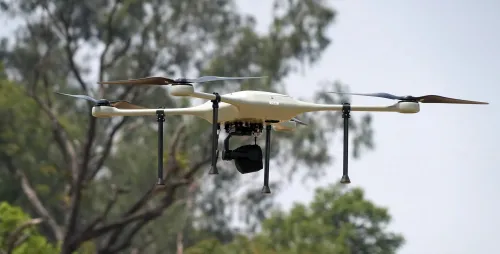
Of the 4,731 sites flagged by the AI-assisted system, 1,340 have so far been addressed by field staff through insecticide spraying and source-reduction measures. Drones have independently carried out insecticide spraying for a combined 40 hours and nine minutes, according to RMC data.
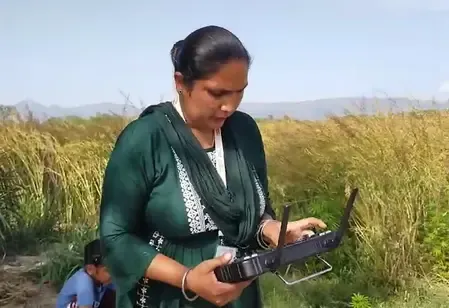
The ongoing survey spans high-risk wards — specifically Wards 11, 18, 3, 4, and 13 — covering 59.39 sq km of the corporation's total jurisdictional area of 161.85 sq km. Drone operations target drains, waterlogged areas, pits, depressions, and riverbed locations where stagnant water accumulates. The technology is being deployed particularly at sites where conventional spraying is difficult or poses safety risks, the corporation said.
How the Data Flows to Ground Teams
Intelligence gathered by drone surveys is transmitted to health workers at respective wards and urban health centres, who verify each location before carrying out insecticide spraying or source-reduction work. This integration of remote sensing with on-ground verification represents a notable operational shift for a Tier-2 city civic body.
Conventional Vector-Control Measures Continue
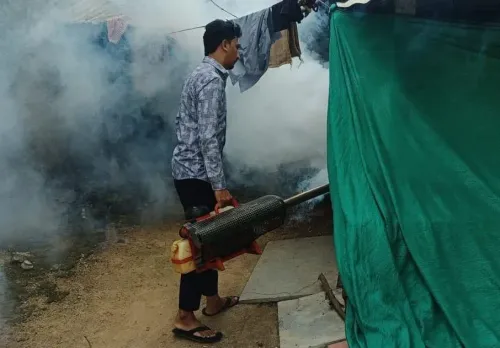
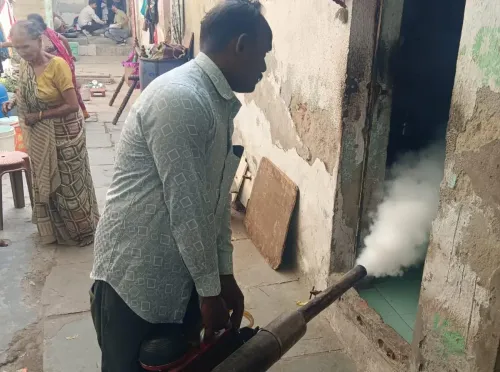
Alongside the drone programme, RMC's traditional vector-control operations continued between 17 and 23 September. Field workers, Urban ASHAs, and MPHWs conducted larvicidal activities at 1,50,172 houses, while fogging was carried out at 933 houses. Vehicle-mounted fogging machines were deployed in higher-density mosquito areas, including sensitive residential societies, public roads, and congregation points.
The health department also inspected 409 non-residential premises — covering construction sites, schools, hospitals, hotels, industrial units, hostels, scrap yards, petrol pumps, and government offices — for potential breeding sites. Notices were issued to 312 persons in residential areas and 92 in commercial areas, with administrative charges levied under applicable bylaws.
Water-Borne Disease Surveillance
Simultaneously, the municipal health department ran water-borne disease surveillance through field staff at urban primary health centres. Between 17 and 23 September, approximately 3,04,556 people were covered under the exercise. During this period, 6,559 chlorine tablets and 743 ORS packets were distributed, and 3,484 R.C. tests were conducted.
The RMC has urged residents to prevent water stagnation at homes, cooperate with health teams eliminating breeding sites, maintain drinking-water hygiene, and boil or purify water before consumption. Residents have also been asked to cooperate with drone survey teams operating in their areas.
Point of View
But the numbers reveal a gap that ground-level capacity must close: only 1,340 of 4,731 identified sites have been treated so far. Identifying a breeding site is not the same as eliminating it. The true test of this technology-forward approach is the speed and thoroughness of the follow-through by field teams — and whether dengue and malaria case counts in Rajkot actually fall this season as a result. Drone surveillance without proportionate boots-on-ground response risks becoming a showcase rather than a solution.
NationPress
25 Sept 2026
Frequently Asked Questions
How is Rajkot using drones to fight dengue and malaria?
The Rajkot Municipal Corporation is using drone-based surveys and AI-assisted surveillance to identify potential mosquito breeding sites across the city. Drones map drains, waterlogged areas, pits, and riverbed depressions, and also carry out insecticide spraying at locations that are hard to access by conventional means.
How many mosquito breeding sites has the RMC identified so far?
The RMC has identified 4,731 potential mosquito breeding sites across 59.39 sq km, primarily in high-risk wards. Of these, 1,340 sites have been treated by field staff as of the data released on 25 September 2026.
Which wards in Rajkot are considered high-risk for mosquito-borne diseases?
According to the RMC, the drone survey is being conducted in Wards 11, 18, 3, 4, and 13, identified as high-risk zones for dengue, malaria, and chikungunya transmission.
What conventional measures is the RMC using alongside the drone programme?
Between 17 and 23 September, field workers, Urban ASHAs, and MPHWs conducted larvicidal activities at 1,50,172 houses and fogging at 933 houses. Vehicle-mounted fogging machines were also deployed in higher-density mosquito areas.
What action has the RMC taken against residents for mosquito breeding violations?
The corporation issued notices to 312 persons in residential areas and 92 in commercial areas for allowing mosquito breeding on their premises. Administrative charges were levied under applicable bylaws.