Rajkot drones scan 130 sq km, flag 15,377 mosquito breeding sites
Synopsis
Rajkot's civic body has turned to drones and AI to fight dengue, malaria, and chikungunya — scanning 130 sq km, flagging over 15,000 breeding sites, and logging 236 hours of aerial insecticide spraying. It is one of India's most tech-intensive urban mosquito-control campaigns this post-monsoon season.
Key Takeaways
Rajkot Municipal Corporation identified 15,377 mosquito breeding sites using drone surveys and AI-assisted surveillance.
Field teams have acted on 8,680 of those sites through insecticide spraying and source-reduction measures.
Drone surveys have covered 130.59 sq km of the city's 161.85 sq km total area as of 14 October 2026 .
A total of 236 hours of aerial insecticide spraying has been logged to control dengue, malaria, and chikungunya .
Anti-larval operations were carried out in 93,686 houses between 8 and 14 October ; notices issued to 333 persons across residential and commercial areas.
Health workers surveyed a population of 2,86,688 and distributed 5,355 chlorine tablets for water-borne disease prevention in the same period.
The Rajkot Municipal Corporation (RMC) in Gujarat has identified 15,377 potential mosquito breeding sites through drone-based surveys and AI-assisted surveillance, with field teams completing insecticide spraying and source-reduction measures at 8,680 of those locations, according to a Health Department report released on Thursday, 15 October 2026. The initiative marks one of the most technologically intensive mosquito-control drives undertaken by any Indian municipal body this season.
Scale of the Drone Survey
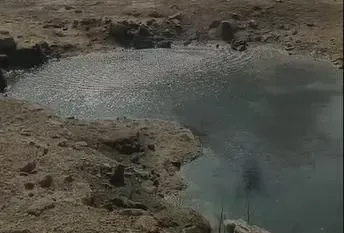
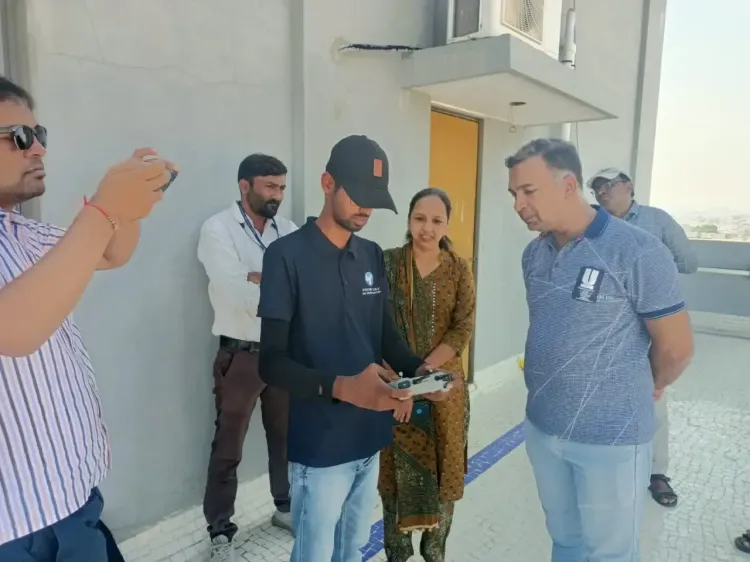
As of 14 October, the aerial survey had covered 130.59 sq km of Rajkot's total area of 161.85 sq km — roughly 80% of the city. Drone crews logged 236 hours of insecticide spraying from the air, targeting waterlogged areas, drains, riverbeds, pits, and puddles where mosquitoes are most likely to breed. The technology is being deployed specifically at sites where ground-level spraying is difficult or hazardous, officials said.
Ground Operations Running in Parallel
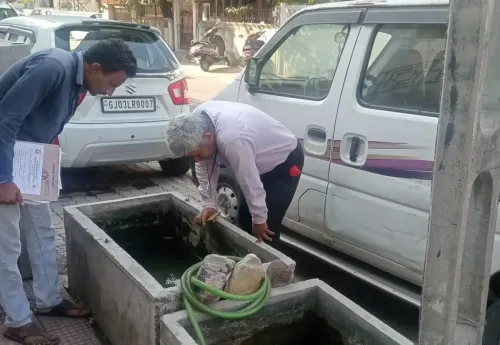
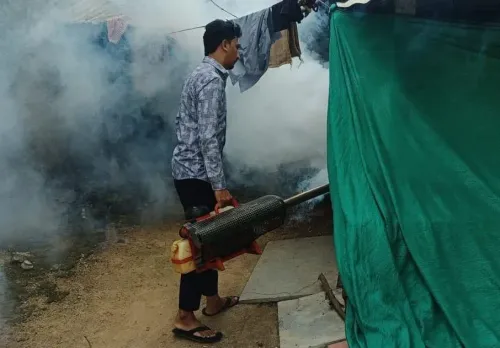
Alongside the aerial exercise, Urban ASHA workers, field health workers, and multi-purpose health workers (MPHWs) conducted anti-larval operations across 93,686 houses between 8 and 14 October. Fogging was carried out in 602 houses, while vehicle-mounted fogging machines were deployed in high-density zones including residential societies, public roads, and congregation points.
The civic body also inspected 317 non-residential premises — spanning construction sites, schools, hospitals, hotels, industrial units, scrap yards, and government offices — for breeding activity. Notices were issued to 274 persons in residential areas and 59 in commercial areas under relevant bylaws, accompanied by the collection of administrative charges.
The Disease Risk Behind the Drive
The RMC's Health Department noted that the Aedes mosquito, which transmits dengue, bites during the daytime and can rapidly spread infection across a population. Its short life cycle and fast reproduction rate mean that even small pockets of stagnant clean water — in containers, flower pots, or construction debris — can trigger a population surge within days. Malaria and chikungunya are also under active surveillance as the post-monsoon season peaks.
Water-Borne Disease Surveillance
The corporation has simultaneously intensified water-borne disease monitoring. Between 8 and 14 October, health workers surveyed a population of 2,86,688, distributed 5,355 chlorine tablets and 973 oral rehydration solution (ORS) packets, and conducted 3,334 residual chlorine tests. Residents have been urged to prevent water accumulation in and around homes, cooperate with health teams, boil drinking water, and follow guidance issued by field workers.
With roughly 31 sq km of the city still to be covered by drone surveys, the RMC's campaign is expected to continue through the coming week as the post-monsoon disease window remains open.
Point of View
But the real measure of success is case-count data — which the Health Department has not yet released alongside the impressive survey numbers. The 15,377 flagged sites and 8,680 treated locations suggest a significant unaddressed backlog. Post-monsoon dengue spikes follow a well-documented pattern in Gujarat, and previous municipal drives have often been reactive rather than pre-emptive. If the RMC can publish weekly case-incidence data alongside its drone coverage metrics, it would set a replicable transparency standard for urban disease surveillance in India.
NationPress
15 Oct 2026
Frequently Asked Questions
What has the Rajkot Municipal Corporation found through its drone survey?
The RMC has identified 15,377 potential mosquito breeding sites across 130.59 sq km of the city using drone-based surveys and AI-assisted surveillance. Field teams have so far carried out insecticide spraying and source-reduction measures at 8,680 of those locations.
Which diseases is the Rajkot anti-mosquito drive targeting?
The campaign is focused on controlling dengue, malaria, and chikungunya — all mosquito-borne diseases that typically surge in Gujarat during the post-monsoon season. The Health Department has specifically flagged the Aedes mosquito, which transmits dengue and bites during the day.
How extensive is the ground operation alongside the drone surveys?
Between 8 and 14 October 2026, health workers conducted anti-larval operations in 93,686 houses, fogged 602 homes, and inspected 317 non-residential premises. Notices were issued to 274 people in residential areas and 59 in commercial areas for allowing mosquito breeding.
What water-borne disease steps is the RMC taking alongside mosquito control?
The corporation surveyed a population of 2,86,688, distributed 5,355 chlorine tablets and 973 ORS packets, and conducted 3,334 residual chlorine tests between 8 and 14 October to prevent water-borne disease outbreaks.
What should Rajkot residents do to help the drive?
Officials have urged residents to prevent water from accumulating in and around their homes, eliminate stagnant-water containers that could serve as breeding sites, cooperate with health teams during drone surveys, and boil or properly purify drinking water before consumption.