Gujarat tests 2.56 lakh fever samples on National Dengue Day ahead of monsoon
Synopsis
Ahead of monsoon, Gujarat deployed 23,000 teams to inspect over two crore premises, destroyed larvae in more than one lakh homes, eliminated 27 lakh breeding sites, and tested 2.56 lakh fever samples — one of the most intensive pre-monsoon dengue sweeps the state has mounted since National Dengue Day was instituted in 2016.
Key Takeaways
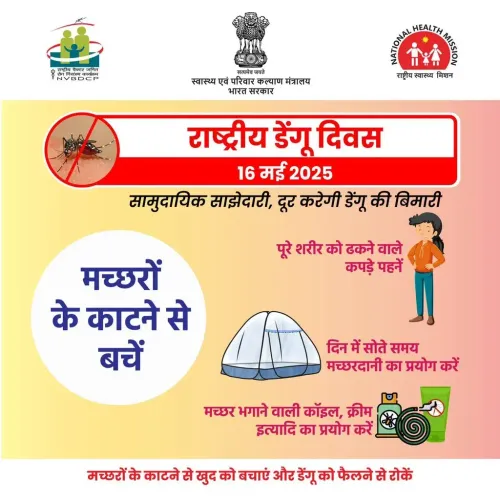
Gujarat observed National Dengue Day on 16 May 2025 , the 11th edition of the annual awareness event.
Blood samples from around 2.56 lakh fever patients were collected and tested for early dengue detection.
More than 23,000 teams inspected over two crore houses, offices, and industrial premises between 27 April and 6 May .
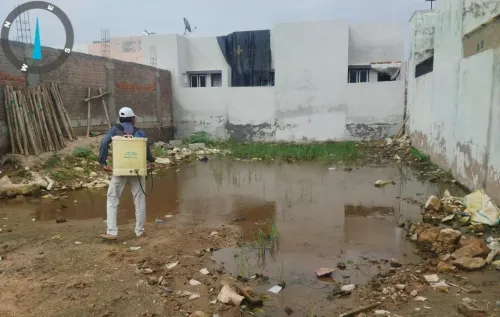
Mosquito larvae were found in more than one lakh houses; over 27 lakh potential breeding sites were eliminated.
Health officials warned against Aspirin use in suspected dengue cases and advised citizens to seek care at government hospitals promptly.
Gujarat intensified its dengue surveillance and prevention drive on 16 May 2025 as the state marked National Dengue Day, testing blood samples from around 2.56 lakh fever patients statewide and mobilising more than 23,000 field teams in an advance campaign ahead of the monsoon season. The push reflects growing concern about dengue transmission risks as standing water accumulates during the rains.
Scale of the Campaign
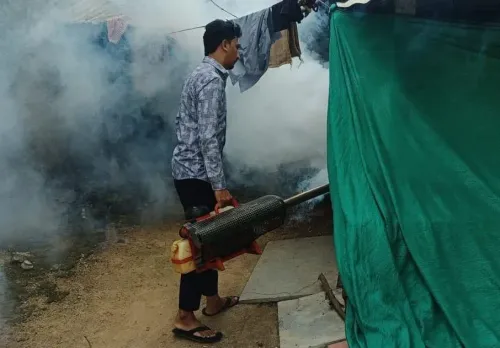
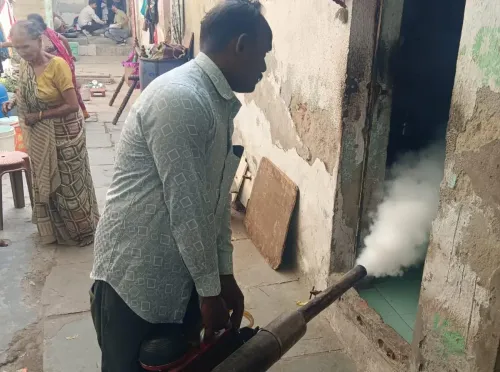
A statewide 'house-to-house' inspection drive, conducted between 27 April and 6 May, saw over 23,000 teams cover more than two crore houses, offices, and industrial settlements across Gujarat. Mosquito larvae were discovered in more than one lakh houses; field teams destroyed the larvae on the spot. Authorities also eliminated over 27 lakh potential mosquito breeding sites during the same period.
What the Government Said
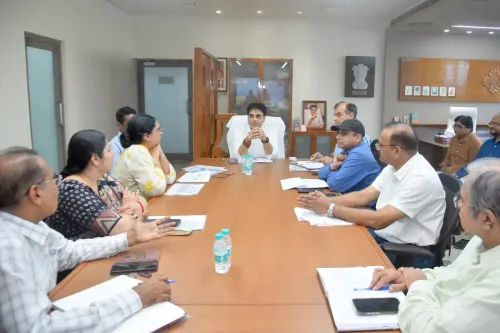
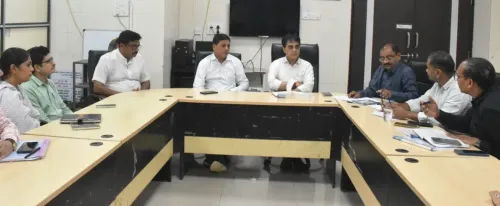
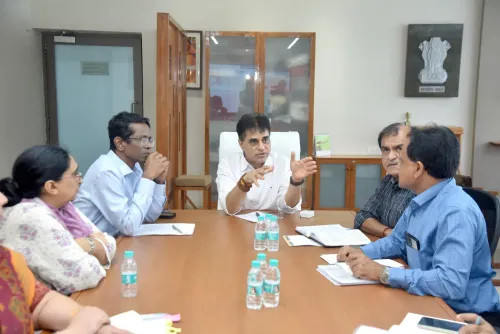
Minister of State for Health Praful Pansheriya said the state government is 'fully prepared with preventive measures against dengue, but the support and cooperation of the community are extremely essential in this fight.' The campaign was conducted under the guidance of Chief Minister Bhupendra Patel. Officials confirmed that the 2.56 lakh fever-patient blood samples were collected and tested as part of early detection and surveillance efforts.
National Dengue Day: Theme and Context
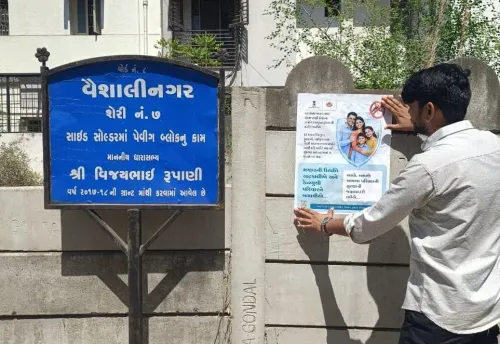
Observed every year on 16 May since 2016, National Dengue Day aims to build public awareness and drive community action against the mosquito-borne disease. This year marks the 11th edition, carrying the theme 'Community Participation Dengue Control: Check, Clean and Cover'. The theme underscores that government action alone is insufficient — household-level hygiene and vigilance are critical to breaking the transmission cycle.
Citizen Advisory and Health Precautions
Health authorities reiterated that dengue spreads through the bite of the Aedes aegypti mosquito, which breeds in clean stagnant water. Residents have been advised to empty and scrub water-holding containers — including refrigerator trays, air coolers, bird feeders, and flower pot trays — every week. Officials also warned against leaving discarded tyres, coconut shells, or scrap material in open areas where water can collect.
Citizens showing symptoms such as high fever or joint pain have been urged to seek care at the nearest government hospital. Authorities specifically cautioned against self-medication and warned that Aspirin should not be taken when dengue infection is suspected, as it can worsen bleeding risk.
What Comes Next
With the monsoon expected to arrive in Gujarat in the coming weeks, health officials are likely to sustain the surveillance cadence and expand community outreach. The early testing of 2.56 lakh samples signals a shift toward proactive case detection rather than reactive response — a model that, if maintained through peak transmission months, could limit outbreak severity this season.
Point of View
000 teams, two crore premises, 27 lakh breeding sites — but the metric that will matter is case incidence once the rains arrive, not campaign coverage. Testing 2.56 lakh fever samples is a meaningful surveillance signal, yet the state has not published positivity rates from that sample pool, which would tell a far more revealing story. Community participation campaigns work best when paired with transparent, real-time data dashboards; without public case counts, it is difficult to assess whether this mobilisation is preventing transmission or simply performing preparedness. The Aspirin advisory, while medically sound, also hints at a persistent self-medication culture that public health messaging alone has struggled to dent.
NationPress
5 Oct 2026
Frequently Asked Questions
What is National Dengue Day and when is it observed?
National Dengue Day is observed every year on 16 May across India since 2016 to raise awareness about dengue prevention and encourage community action. The 2025 edition is the 11th, themed 'Community Participation Dengue Control: Check, Clean and Cover'.
How many fever samples were tested during Gujarat's dengue campaign?
Around 2.56 lakh blood samples from fever patients were collected and tested across Gujarat as part of surveillance and early detection efforts during the pre-monsoon campaign.
What did the house-to-house survey in Gujarat find?
The survey, conducted between 27 April and 6 May by more than 23,000 teams, found mosquito larvae in over one lakh houses. Teams destroyed the larvae on the spot and eliminated more than 27 lakh potential breeding sites statewide.
How does dengue spread and how can citizens protect themselves?
Dengue spreads through the bite of the Aedes aegypti mosquito, which breeds in clean stagnant water. Citizens are advised to empty and scrub water-holding containers weekly, wear full-sleeved clothing, use mosquito nets, and avoid self-medication — particularly Aspirin — if dengue is suspected.
Who is leading Gujarat's dengue prevention drive?
The campaign is being conducted under the guidance of Chief Minister Bhupendra Patel and the leadership of Minister of State for Health Praful Pansheriya, with the state health department coordinating field operations.