Gujarat malaria cases drop 45% in 2026, dengue and chikungunya also fall sharply
Synopsis
Gujarat cut malaria cases nearly in half during the first 33 weeks of 2026 — and did it while testing more samples than the year before. The state's two-phase, 6.51-crore-person house-to-house blitz, combined with larvivorous fish at over 5,000 waterlogging sites, offers a replicable public health playbook for other monsoon-vulnerable Indian states.
Key Takeaways
Gujarat recorded a 45% fall in malaria, 39.1% in dengue, and 48.1% in chikungunya through epidemiological Week 33 of 2026 versus the same period in 2025.
Malaria cases dropped from 1,407 to 774 ; dengue from 1,293 to 788 ; chikungunya from 154 to 80 .
No deaths due to malaria or dengue were recorded during the period.
A two-phase house-to-house campaign covered more than 6.51 crore people using 19,558 teams in July alone.
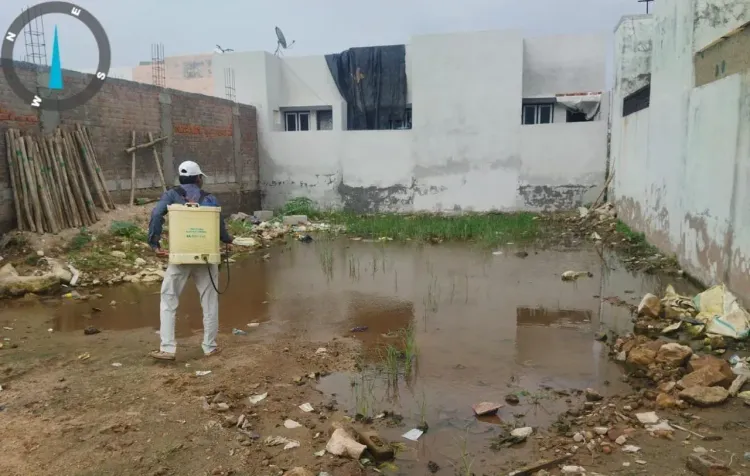
More than 29.63 lakh mosquito breeding sites were eliminated; larvivorous fish were released at 5,024 permanent waterlogging sites.
497 vector-control teams remain deployed across districts and municipal corporations through the monsoon season.
Gujarat has recorded a significant decline in mosquito-borne diseases in 2026, with malaria cases falling 45%, dengue dropping 39.1%, and chikungunya declining 48.1% through epidemiological Week 33, compared with the same period in 2025, according to data released by the Gujarat Health Department on World Mosquito Day. Crucially, no deaths due to malaria or dengue were recorded during the period.
Key Numbers at a Glance
Malaria cases fell from 1,407 in the corresponding period of 2025 to 774 this year. Dengue infections declined from 1,293 to 788, while chikungunya cases dropped from 154 to 80. The state tested more than 1.11 crore blood samples for malaria through Week 33 of 2026 — up from 1.09 crore in the same period last year — indicating that the decline reflects genuine disease reduction rather than reduced testing.
Expanded Surveillance and Testing Capacity
The Gujarat Health Department has significantly expanded its diagnostic infrastructure. Dengue and chikungunya testing is now available at 42 hospitals affiliated with medical colleges. Through Week 33 of 2026, more than 83,000 serum samples were tested for dengue and more than 12,000 for chikungunya, bringing the combined diagnostic total to nearly 96,000.
This comes amid the monsoon season, when stagnant water creates conditions for mosquito breeding — historically the most vulnerable period for vector-borne disease outbreaks across Indian states.
House-to-House Campaign and Ground Operations
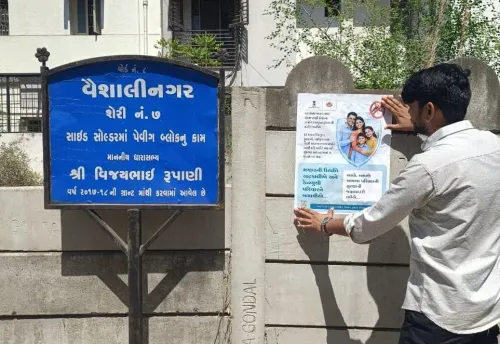
A two-phase house-to-house surveillance programme drove much of the progress. The first phase, conducted from 27 April to 6 May, achieved 89% coverage through fever surveillance, anti-larval activities, and health education. The second phase, from 1 to 10 July, deployed 19,558 teams and covered more than 6.51 crore people. That phase collected more than 2.57 lakh blood samples, identifying 28 malaria patients — all of whom received treatment.
Notably, the combined reach of over 6.51 crore people in the second phase alone represents a substantial share of Gujarat's total population, signalling an unusually intensive ground effort.
Mosquito Control: Breeding Sites, Fogging, and Biological Measures
Field teams eliminated more than 29.63 lakh mosquito breeding sites during house-to-house visits, while fogging was carried out in more than 3.21 lakh houses. In malaria-sensitive zones, more than one lakh people across 116 villages in 24 districts were covered during the first round of insecticide spraying; the second round began on 1 August.
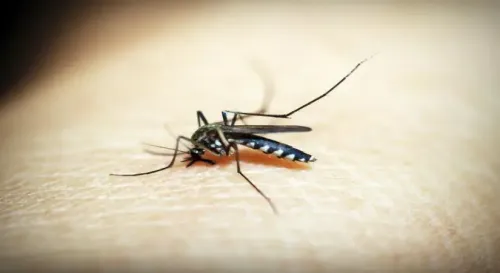
The state also deployed biological control measures, releasing larvivorous fish at 5,024 permanent waterlogging sites across Gujarat by the end of July. These fish target mosquito larvae at breeding sites before they mature into adult mosquitoes — a method endorsed by public health experts as a sustainable, chemical-free complement to conventional larvicides.
To reinforce field-level surveillance during the monsoon, 497 vector-control teams were deployed across districts and municipal corporations. Officials said medicines, larvicides, and essential equipment had been kept adequately stocked, with disease status monitored on a daily, weekly, and monthly basis.
What This Means Going Forward
The World Health Organisation notes that many vector-borne diseases can be prevented through protective measures and community mobilisation — an approach Gujarat appears to have operationalised at scale. With the monsoon season ongoing, health authorities are expected to maintain elevated surveillance through the remainder of the transmission window. Whether the state can sustain these gains into 2027 will depend on keeping the surveillance infrastructure active beyond the seasonal peak.
Point of View
Which rules out the common public health sleight-of-hand of claiming fewer cases by running fewer tests. The larvivorous-fish deployment at over 5,000 waterlogging sites and the 6.51-crore-person ground sweep suggest this is genuine operational scale, not just data management. The harder question is sustainability — India's vector-borne disease burden historically spikes when monsoon-season intensity fades and surveillance budgets normalise. If Gujarat can hold these gains through a second consecutive year, it would represent a genuine model worth replicating in higher-burden states like Odisha, Jharkhand, and Chhattisgarh.
NationPress
5 Oct 2026
Frequently Asked Questions
How much have malaria cases fallen in Gujarat in 2026?
Malaria cases in Gujarat fell 45% through epidemiological Week 33 of 2026, dropping from 1,407 in the same period of 2025 to 774 this year, according to data released by the Gujarat Health Department on World Mosquito Day.
Were there any deaths due to malaria or dengue in Gujarat in 2026?
No deaths due to malaria or dengue were recorded in Gujarat through Week 33 of 2026. This is a key indicator that the state's disease management has been effective beyond just case reduction.
What steps did Gujarat take to reduce mosquito-borne diseases?
Gujarat ran a two-phase house-to-house surveillance campaign covering over 6.51 crore people, deployed 497 vector-control teams, eliminated more than 29.63 lakh breeding sites, conducted fogging in over 3.21 lakh houses, and released larvivorous fish at 5,024 permanent waterlogging sites.
How many people were covered in Gujarat's mosquito surveillance campaign?
More than 6.51 crore people were covered in the second phase of Gujarat's house-to-house surveillance programme, which ran from 1 to 10 July 2026 using 19,558 teams. The first phase, from 27 April to 6 May, achieved 89% coverage.
How has Gujarat expanded dengue and chikungunya testing in 2026?
Diagnostic centres at 42 hospitals affiliated with medical colleges are now testing for both dengue and chikungunya. Through Week 33 of 2026, more than 83,000 serum samples were tested for dengue and over 12,000 for chikungunya, totalling nearly 96,000 combined tests.