Dengue cases drop 39.6% in Gujarat; districts told to intensify checks
Synopsis
Gujarat's dengue count has fallen nearly 40 per cent in 2026, and malaria by 22 per cent — but the state is not easing up. With over 1.35 lakh serum tests run at 42 medical-college hospitals and Collectors put on notice to eliminate breeding sites, the government is treating the improvement as a reason to push harder, not to stand down.
Key Takeaways
Dengue cases in Gujarat have declined by 39.6 per cent in 2026 compared with the previous year.
Malaria cases have fallen by 22 per cent over the same period, according to the state Health Department .
More than 1.35 lakh serum samples from suspected dengue cases were tested at 42 medical-college-affiliated diagnostic centres; 2,099 tested positive.
Health Minister Praful Pansheriya directed Additional Chief Secretary Rajiv Topno to convene meetings with all Collectors , District Development Officers , and Municipal Commissioners to step up anti-dengue measures.
Officials were instructed to eliminate mosquito breeding sites and address any medicine or diagnostic-kit shortages at Community Health Centres and Primary Health Centres immediately.
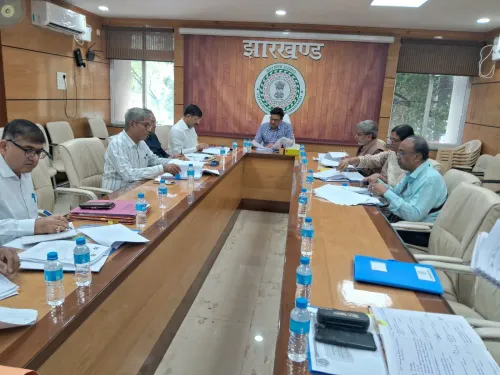
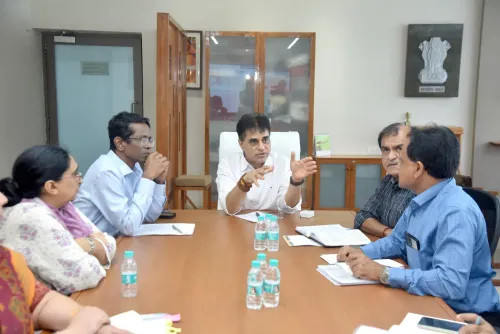
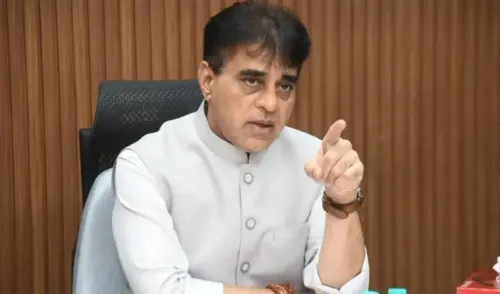
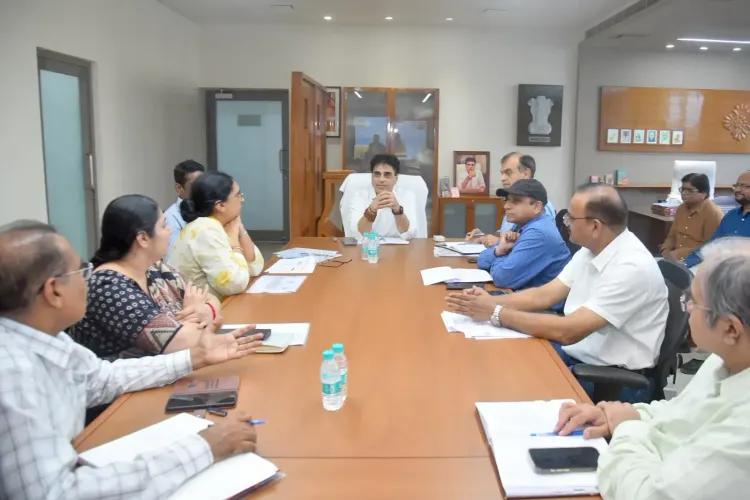
Gujarat's dengue caseload has fallen by 39.6 per cent in 2026 compared with the previous year, while malaria infections have declined by 22 per cent, according to the state Health Department. Health Minister Praful Pansheriya shared the figures at a high-level review meeting in Gandhinagar on 29 September 2026, convening officials from all districts and municipal corporation areas to assess surveillance and mosquito-control efforts.
Key Developments From the Review Meeting
The meeting, chaired by Pansheriya, examined diagnostic and disease-surveillance activities statewide. The minister reviewed the functioning of diagnostic centres at 42 hospitals affiliated with medical colleges across Gujarat, with a specific focus on rapid dengue diagnosis and serum sample testing capacity.
'More than 1.35 lakh serum samples from suspected dengue cases have been tested at these 42 centres, with 2,099 samples testing positive,' the minister said.
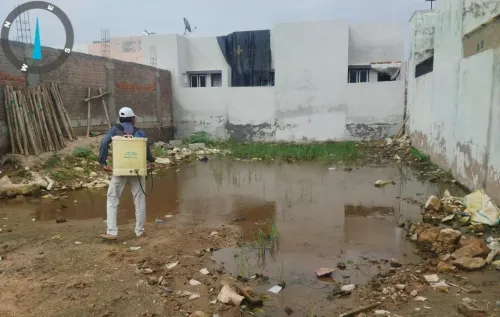
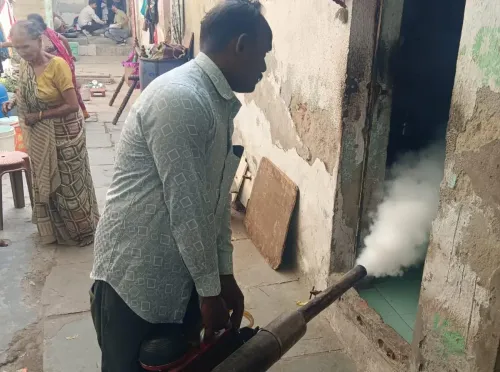
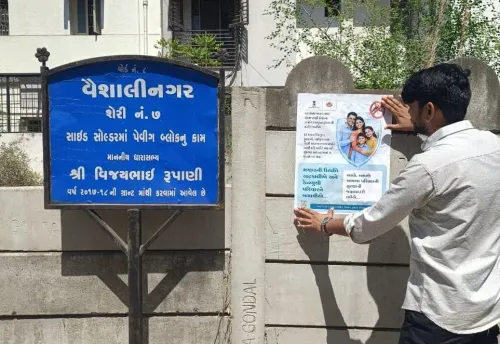
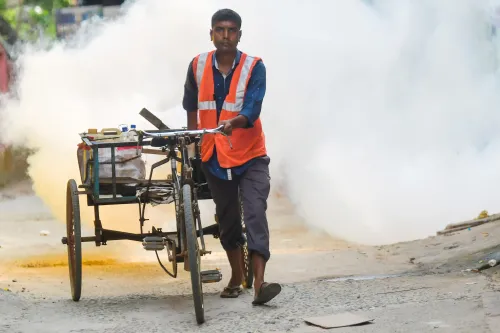
Officials also reviewed the ongoing house-to-house surveillance campaign, a core plank of the state's preventive strategy against vector-borne diseases. Pansheriya directed field teams to intensify efforts, ensuring mosquito breeding sites are identified and eliminated without delay.
Administrative Action: Collectors and Commissioners on Alert
The minister directed Additional Chief Secretary of the Health Department, Rajiv Topno, to convene meetings with all Collectors, District Development Officers, and Municipal Commissioners to accelerate anti-dengue measures in both urban and rural areas. The move signals that Gandhinagar is treating this not as a routine seasonal exercise but as a sustained administrative push.
Pansheriya also reviewed the availability of medicines and diagnostic kits at Community Health Centres and Primary Health Centres, directing officials to address any shortages or deficiencies immediately.
Government's Message to Citizens
'The malaria and dengue situation in Gujarat is under control. Citizens must not panic because of rumours,' the minister said. He appealed to residents to maintain cleanliness around their homes and take necessary precautions to prevent mosquito-borne diseases.
Context: Why the Numbers Matter
Gujarat has historically been among the states that report significant dengue and malaria burdens during the monsoon and post-monsoon season, typically peaking between August and October. A near-40 per cent drop in dengue cases, if sustained through the end of the reporting period, would represent a meaningful improvement in public health outcomes. Notably, the state's emphasis on serum-sample testing at medical college hospitals — with more than 1.35 lakh tests conducted — also reflects an expanded diagnostic footprint that can catch cases earlier and reduce complications.
With the post-monsoon weeks still ahead and stagnant water remaining a breeding risk, officials say continued vigilance is essential before the situation can be declared conclusively improved. The Health Department is expected to release updated district-level data in the coming weeks.
Point of View
But the real test is whether the surveillance infrastructure that produced these numbers holds through October, when post-monsoon stagnant water keeps transmission risk elevated. The directive to loop in Collectors and Municipal Commissioners is telling — it suggests the Health Department recognises that primary healthcare alone cannot close the loop on vector control without district-level administrative muscle. The 2,099 confirmed positives out of 1.35 lakh tests also raises a question mainstream coverage often overlooks: what happened to those cases and what was their clinical severity? Recovery and hospitalisation data would give citizens a far clearer picture than case-count comparisons alone.
NationPress
29 Sept 2026
Frequently Asked Questions
How much have dengue cases fallen in Gujarat in 2026?
Dengue cases in Gujarat have declined by 39.6 per cent in 2026 compared with the previous year, according to the state Health Department. The figures were shared by Health Minister Praful Pansheriya at a review meeting in Gandhinagar on 29 September 2026.
How much have malaria cases declined in Gujarat in 2026?
Malaria cases in Gujarat have fallen by 22 per cent in 2026 compared with 2025, according to the Health Department. The decline was reported alongside the dengue drop at the same state-level review meeting.
What steps is the Gujarat government taking against dengue and malaria?
The government is running a house-to-house surveillance campaign, operating diagnostic centres at 42 medical-college hospitals, and directing Collectors, District Development Officers, and Municipal Commissioners to eliminate mosquito breeding sites. Officials have also been told to immediately address medicine and kit shortages at Community Health Centres and Primary Health Centres.
How many dengue tests have been conducted in Gujarat in 2026?
More than 1.35 lakh serum samples from suspected dengue cases have been tested at 42 diagnostic centres affiliated with medical colleges across Gujarat, of which 2,099 tested positive, according to Health Minister Praful Pansheriya.
Should Gujarat residents be worried about dengue this season?
Health Minister Praful Pansheriya has said the malaria and dengue situation in Gujarat is under control and urged citizens not to panic due to rumours. He appealed to residents to keep their surroundings clean and take precautions to prevent mosquito breeding, noting that vigilance must continue through the post-monsoon period.