Ahmedabad dengue cases drop 93% in 2026 as AMC ramps up pre-monsoon drive
Synopsis
Ahmedabad's dengue count has plunged from 1,591 cases in all of 2025 to just 110 in the first five months of 2026 — a 93% drop the AMC credits to year-round fogging, 577 breeding-spot identifications, and software-tracked fortnightly inspections. With monsoon weeks away, the civic body says no outbreak has been recorded but teams are on standby.
Key Takeaways
Ahmedabad recorded only 110 dengue cases between January and May 2026 , down from 1,591 in all of 2025 — a 93% decline .
AMC has deployed 274 fogging machines and around 2,000 staff as part of its pre-monsoon vector control campaign.
Teams have identified 577 mosquito breeding spots and penalised 88 construction sites since January 2026.
More than 6.53 lakh blood samples have been collected for dengue and malaria surveillance in 2026.
Rajkot Municipal Corporation conducted anti-larval operations in 18,261 houses and inspected 421 non-residential premises between 18–24 May 2026 .
No outbreak has been declared in either city; both corporations are on heightened pre-monsoon alert.
The Ahmedabad Municipal Corporation (AMC) has sharply intensified its pre-monsoon vector control campaign across the city, with official data showing a 93% decline in dengue cases — from 1,591 in all of 2025 to just 110 between January and May 2026. The drop, attributed to sustained surveillance, fogging and anti-larval operations, comes ahead of the monsoon season when mosquito-borne diseases typically spike.
Key Case Numbers
Of the 110 dengue cases recorded so far in 2026, 104 were detected at government hospitals and 6 at private facilities. Malaria figures have also fallen sharply: 54 malaria (PV) and 11 malaria (PF) cases have been reported this year, compared to 784 malaria (PV) and 177 malaria (PF) cases in 2025. The corporation has collected more than 6.53 lakh blood samples for dengue and malaria surveillance in 2026, against 17,65,047 samples collected across the whole of 2025.
What the AMC Has Deployed
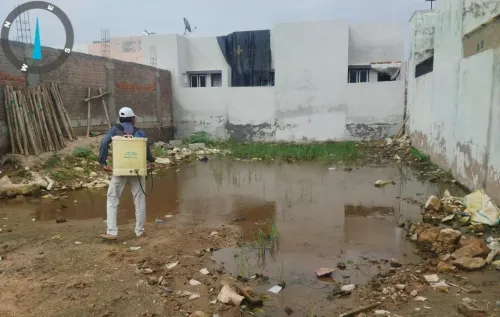
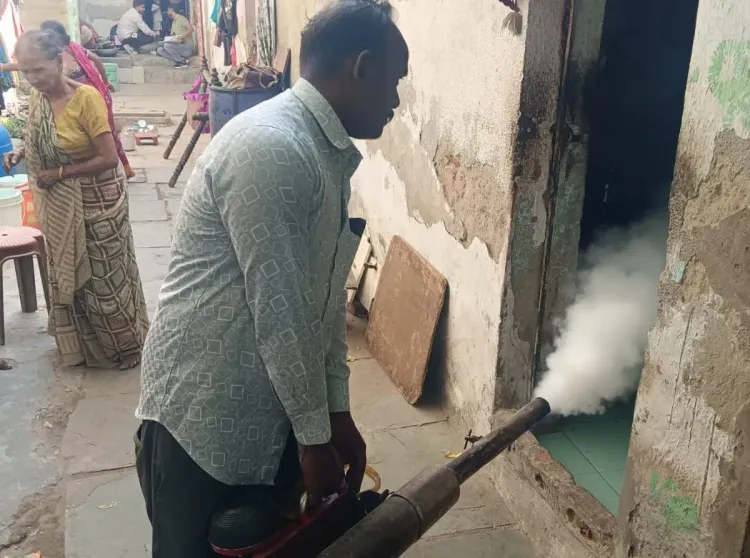
The civic body has mobilised 274 operational fogging machines and approximately 2,000 staff members citywide, with targeted focus on high-risk and hotspot zones. Since January, AMC teams have identified 577 mosquito breeding spots and issued notices and penalties to 88 construction sites for breeding violations and stagnant water offences.
'Continuous supervision and monitoring compared to last year have resulted in a decline in cases,' the AMC stated. Nodal officers have been appointed at government and semi-government offices, hospitals, educational institutions, commercial establishments and industrial units to ensure compliance with vector-control bylaws.
How the City Is Being Monitored
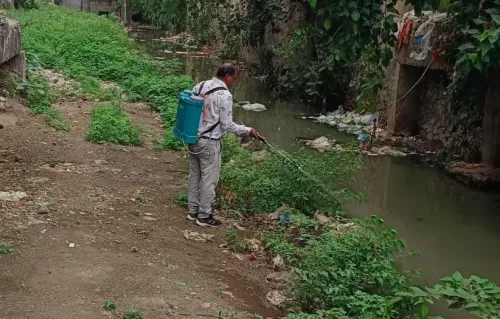
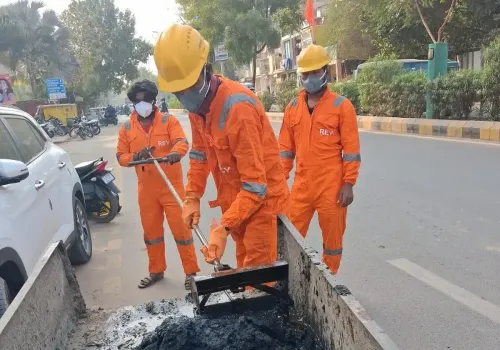
The AMC has divided Ahmedabad into ward-wise and zone-wise operational sections for daily tracking. Catchpits and drainage systems are being cleared of garbage and stagnant water, while insecticide spraying is conducted on a regular schedule. Construction sites, vacant plots and stagnant water points are monitored every fortnight through an online software-based tracking system. In slum areas, malaria department teams, urban health centre staff and ASHA workers are conducting door-to-door fever surveillance and anti-larval treatment fortnightly in hotspot localities.
Abandoned tyres, scrap materials and water-accumulating waste are being cleared citywide, and vegetation is being removed from lakes and water bodies to eliminate breeding grounds. The AMC confirmed that diagnostic and treatment facilities for dengue and malaria are available at all urban health centres, urban community health centres and government dispensaries. 'At present, no outbreak situation has been recorded, though teams have been kept prepared for such circumstances,' the corporation said.
Rajkot Also Steps Up Enforcement
The Rajkot Municipal Corporation (RMC) separately reported an intensified mosquito-borne disease prevention drive between 18 May and 24 May 2026. During that week, RMC conducted anti-larval operations in 18,261 houses and fogging operations in 171 houses, deploying vehicle-mounted fogging machines in densely populated and sensitive residential areas.
The corporation inspected 421 non-residential premises — including construction sites, schools, hospitals, hotels, hostels, scrap yards and government offices — for mosquito breeding. Notices were issued to 146 residential and 43 commercial entities where breeding was detected. Since January, Rajkot has recorded 3 malaria cases, 15 dengue cases and 1 chikungunya case; only 1 dengue case was reported during the May 18–24 period, with no malaria or chikungunya.
What Comes Next
Both corporations have signalled that anti-larval operations and fogging drives will be further intensified as the monsoon approaches. With Gujarat's rainy season typically beginning in late June, civic health officials are maintaining heightened readiness, including fever surveys and contact tracing in affected localities, to prevent any outbreak situation from taking hold.
Point of View
591 in all of 2025 — is not year-on-year equivalent, and the full monsoon season, when caseloads historically surge, has not yet arrived. The real test of this campaign will come in August and September. That said, the structural improvements — software-tracked inspections, nodal officers at institutional sites, fortnightly door-to-door checks in slums — represent a more systematic approach than reactive post-monsoon fogging. If these mechanisms hold through the peak season, the data will carry far more weight.
NationPress
11 Oct 2026
Frequently Asked Questions
How much have dengue cases fallen in Ahmedabad in 2026?
Ahmedabad recorded 110 dengue cases between January and May 2026, compared to 1,591 cases in all of 2025, according to AMC data. Officials attribute the decline to intensified year-round surveillance, fogging and anti-larval operations.
What measures has the AMC deployed for mosquito control?
The AMC has deployed 274 operational fogging machines and around 2,000 staff members across the city. Teams have identified 577 mosquito breeding spots, issued penalties to 88 construction sites, and are using an online software system to track inspections every fortnight.
What is the malaria situation in Ahmedabad in 2026?
Ahmedabad has reported 54 malaria (PV) and 11 malaria (PF) cases between January and May 2026, sharply lower than the 784 malaria (PV) and 177 malaria (PF) cases recorded in all of 2025. No outbreak has been declared.
What action has Rajkot Municipal Corporation taken against mosquito-borne diseases?
Between 18 and 24 May 2026, the Rajkot Municipal Corporation conducted anti-larval operations in 18,261 houses and fogging in 171 houses. It also inspected 421 non-residential premises and issued notices to 146 residential and 43 commercial entities for mosquito breeding violations.
Is there a dengue or malaria outbreak in Ahmedabad right now?
No. The AMC has confirmed that no outbreak situation has been recorded as of late May 2026. However, the corporation has kept response teams on standby and is conducting fever surveys and contact tracing in affected localities ahead of the monsoon season.