Gujarat deworming drive targets 1.84 crore children on National Deworming Day
Synopsis
Gujarat has launched its National Deworming Day drive with an ambitious target of reaching 1.84 crore children and adolescents — one of the state's largest single-day child health interventions. With health, education, and anganwadi departments coordinating together, the campaign's real test lies in closing coverage gaps in rural and tribal areas where worm-linked anaemia remains most acute.
Key Takeaways
Gujarat targets 1.84 crore children and adolescents aged 1–19 years under the National Deworming Day campaign.
The state-level launch was held on 10 August at Government Primary School, Gandhinagar .
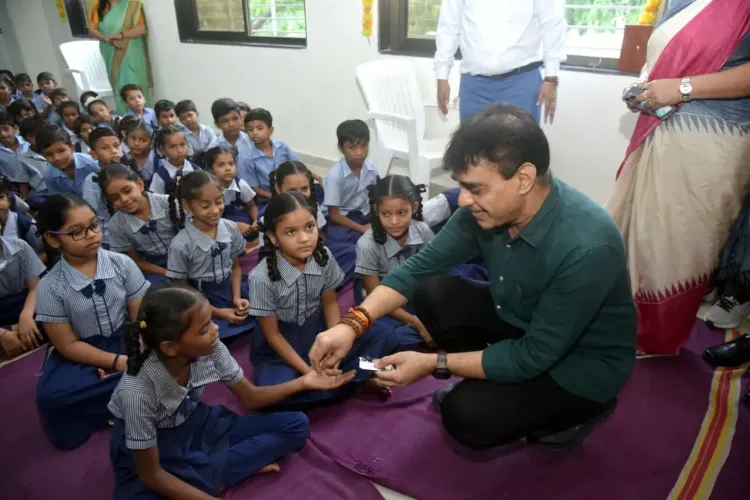
Minister of State for Health Praful Pansheriya personally distributed deworming tablets at the event.
The Health Department , Education Department , and Anganwadi workers are jointly coordinating to ensure full coverage.
The drive targets prevention of intestinal-worm-related anaemia — a key cause of malnutrition and poor school attendance.
Separately, Pansheriya has ordered a high-level inquiry into the death of a resident doctor at Surat New Civil Hospital , with a report due within 24 hours of 9 August .
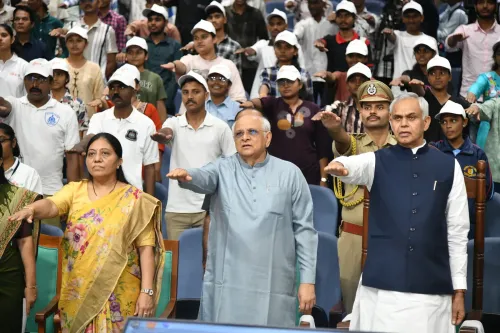
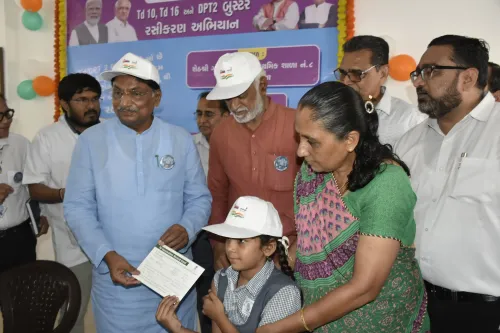
Gujarat has set a target of reaching more than 1.84 crore children and adolescents aged up to 19 years under the state's National Deworming Day campaign, aimed at curbing intestinal-worm-related anaemia among young people. The state-level launch was held on 10 August at the Government Primary School, Gandhinagar, in the presence of Minister of State for Health Praful Pansheriya.
Scale of the Campaign
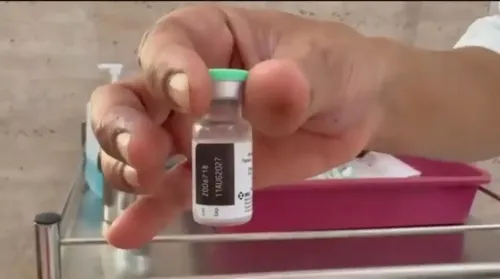
The drive covers children between the ages of one and 19, spanning schools and anganwadi centres across Gujarat. Deworming tablets were distributed to schoolchildren at the launch event, with the minister personally handing out medicine to students present.
Health Commissioner (Rural) Dr Ratankanwar Gadhvi Charan underscored the public health rationale: 'The campaign was important for preventing anaemia caused by intestinal worms among children aged one to 19,' she said. She added that the Health Department, Education Department, and Anganwadi workers were coordinating to ensure no child in the state was left without access to the medicine.
What the Government Said
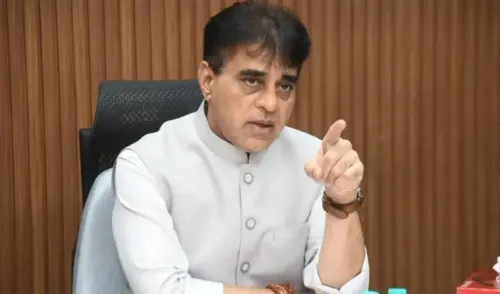
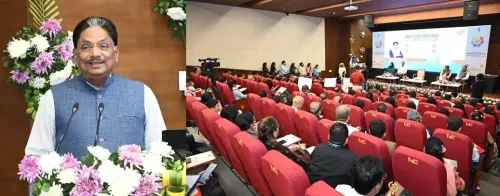
Addressing the gathering, Minister Pansheriya said: 'The state had set a target of providing deworming medicine to more than 1.84 crore children and adolescents up to the age of 19.' He also urged students to cultivate healthy daily habits, maintain personal cleanliness, and respect their parents.
Among the dignitaries present were Gandhinagar Mayor Meera Patel, Children's University Vice-Chancellor Dr Joshi, Additional Director of the Health Department Dr Nayan Jani, and Deputy Director of Information Dr Shailesh Parmar.
Why It Matters
Intestinal worm infections are a leading, yet preventable, cause of anaemia and malnutrition among children in India. Anaemia impairs cognitive development and school attendance, making deworming a cost-effective public health intervention. Gujarat's campaign aligns with the broader national programme that runs twice a year across Indian states.
Notably, the multi-department coordination model — linking health workers, teachers, and anganwadi staff — is designed to minimise coverage gaps, particularly in rural and tribal pockets where access to healthcare remains uneven.
Parallel Inquiry Into Surat Doctor's Death
The minister's appearance at the deworming launch came a day after he ordered a high-level inquiry into the death of a resident doctor at Surat New Civil Hospital. On 9 August, Pansheriya directed officials to investigate possible ragging, mental or physical harassment, or negligence, with a report due within 24 hours.
The inquiry is being conducted jointly by the Civil Hospital Dean and Superintendent, under the direct supervision of the Additional Director of Medical Education, Gandhinagar. Statements of fellow students and resident doctors are reportedly being recorded. 'Strict legal and administrative action would be taken against anyone found responsible,' Pansheriya had said.
What Happens Next
Health officials are expected to report district-wise coverage figures once the drive concludes. The combined departmental effort will be closely watched as a model for last-mile delivery — particularly in reaching out-of-school children through anganwadi networks.
Point of View
But headline coverage numbers mean little without district-level disaggregation — especially for tribal and out-of-school children who are hardest to reach and most at risk of worm-linked anaemia. The multi-department coordination model is the right design, yet past national deworming rounds have shown that anganwadi-dependent outreach can stall in low-connectivity districts. Gujarat's real accountability test comes when the coverage data is published. The parallel inquiry into the Surat doctor's death also signals that the Health Ministry is under concurrent pressure on institutional welfare — a reminder that public health governance is rarely a single-front challenge.
NationPress
25 Sept 2026
Frequently Asked Questions
What is Gujarat's National Deworming Day campaign?
It is a statewide health drive in which deworming tablets are administered to children and adolescents aged 1 to 19 to prevent anaemia caused by intestinal worms. Gujarat has set a target of covering more than 1.84 crore young people in the current round.
Who is administering the deworming tablets in Gujarat?
The campaign is a joint effort of Gujarat's Health Department, Education Department, and Anganwadi workers, ensuring coverage across schools and early childhood centres. Minister of State for Health Praful Pansheriya launched the state-level event in Gandhinagar on 10 August.
Why is deworming important for children?
Intestinal worm infections are a leading preventable cause of anaemia and malnutrition in children, impairing cognitive development and school attendance. Deworming is a low-cost, high-impact intervention recommended by health authorities for children in endemic regions.
What is the inquiry ordered by Minister Pansheriya regarding Surat New Civil Hospital?
On 9 August, Pansheriya directed officials to conduct a swift investigation into the death of a resident doctor at Surat New Civil Hospital, probing possible ragging, mental or physical harassment, or negligence. The inquiry is being conducted jointly by the hospital Dean and Superintendent under the Additional Director of Medical Education, Gandhinagar, with a report due within 24 hours.
How does Gujarat's deworming drive fit into the national programme?
Gujarat's campaign is part of India's National Deworming Day, a twice-yearly programme run across states to reduce the burden of soil-transmitted helminth infections among children. Gujarat's target of 1.84 crore children reflects the scale of the national effort at the state level.