Gujarat police seize 475 kg ganja hidden in cotton fields, four arrested in Sabarkantha
Synopsis
Four men have been arrested after police discovered over 475 kg of ganja — valued at more than ₹2.37 crore — concealed within cotton crops at two locations in Sabarkantha's Poshina taluka. The bust, driven by human intelligence and technical surveillance, exposes a deliberate camouflage strategy using legal cash crops to hide narcotics cultivation in Gujarat's semi-forested belt.
Key Takeaways
Police seized over 475 kg of ganja worth more than ₹2.37 crore from two locations in Poshina taluka, Sabarkantha district, Gujarat .
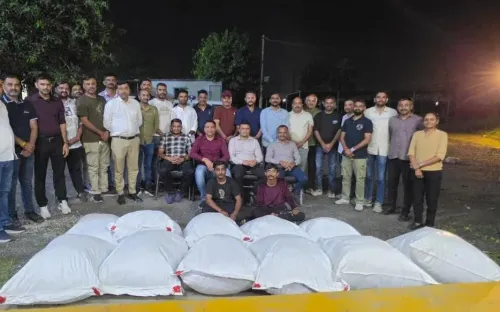
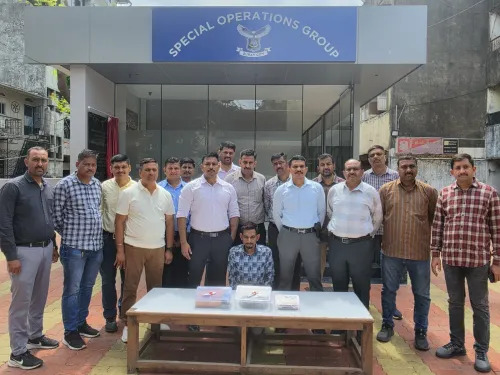
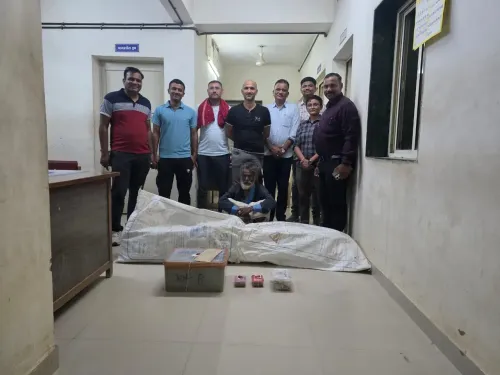
The SOG recovered 666 plants (401.730 kg) from Anjani village ; Shrinbhai Gamar was arrested; Manabhai Gamar remains absconding.
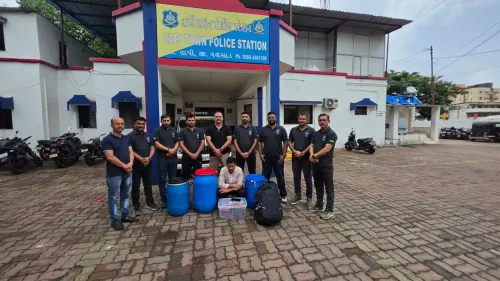
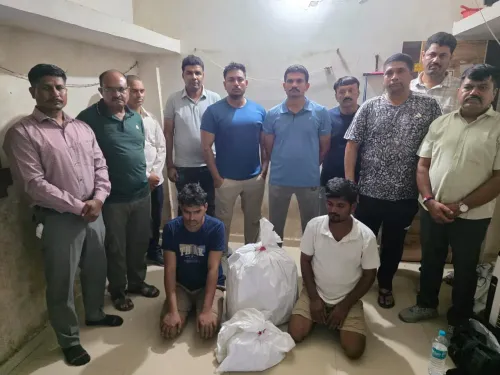
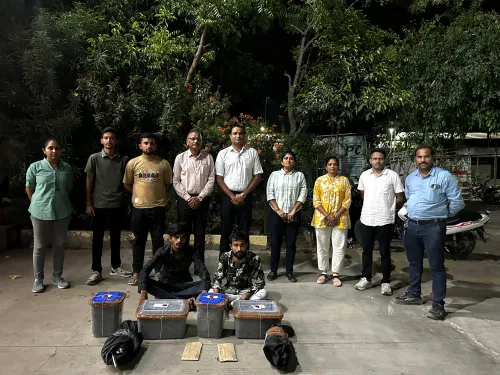
Poshina Police Station seized 322 plants (73.662 kg) from Kalikankar village and arrested Jayeshbhai Gamar, Arjunbhai Gamar , and Govindbhai Gamar .
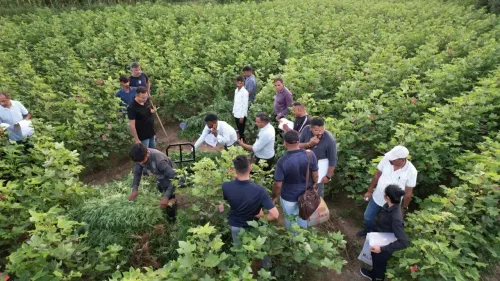
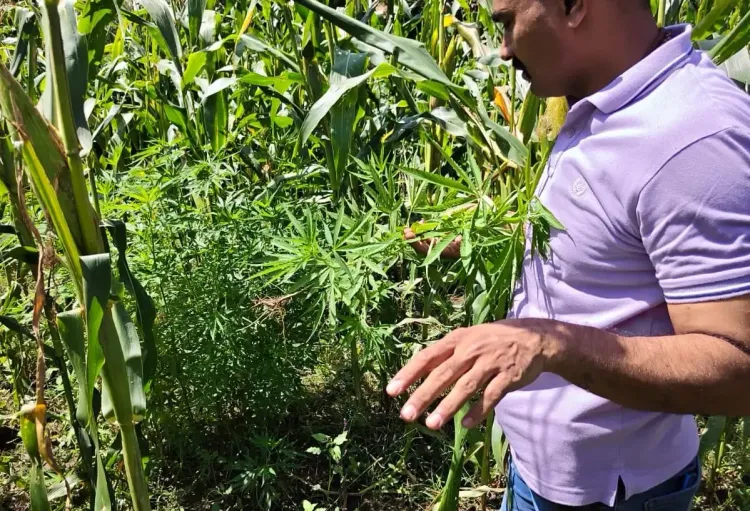
In both cases, ganja plants were deliberately hidden among standing cotton crops on agricultural land.
Cases have been registered under the NDPS Act ; further investigation is underway to determine if the two sites are linked.
Police in Sabarkantha district, Gujarat, have unearthed illegal ganja cultivation at two separate locations in Poshina taluka, seizing over 475 kg of the narcotic substance valued at more than ₹2.37 crore and arresting four people. The contraband had been deliberately concealed among standing cotton crops, making aerial and ground detection significantly harder.
First Operation: Anjani Village Seizure
The Special Operations Group (SOG) recovered 666 ganja plants weighing 401.730 kg, valued at ₹2,00,86,500, from agricultural land in Anjani village's Jalera Faliya area. One accused, Shrinbhai Gamar, was arrested in connection with the find. A second suspect, Manabhai Gamar, who allegedly possessed the land, remained at large at the time of reporting.
According to police, SOG personnel were conducting patrols along the Poshina border under the ATS Charter framework when two team members received a tip from a human intelligence source. Because an immediate visit was not feasible, the unit deployed technical surveillance to corroborate the lead before moving in. The subsequent ground search confirmed ganja plants growing under the protective canopy of cotton crops, after which action was initiated under the Narcotic Drugs and Psychotropic Substances (NDPS) Act.
Second Operation: Kalikankar Village Arrest
In a separate but related action, Poshina Police Station personnel raided the Ro-Padola Faliya area of Kalikankar village, seizing 322 ganja plants weighing 73.662 kg and valued at ₹36,83,400. Three men — Jayeshbhai Gamar, 30; Arjunbhai Gamar, 31; and Govindbhai Gamar, 33 — were arrested. All three are residents of the Ro-Padola Faliya locality and the ganja was, again, camouflaged within cotton fields on land allegedly in their possession.
The second operation was triggered by intelligence gathered by Surveillance PSI V.B. Meghnathi through a human source during routine patrol. The team verified the tip before conducting the raid.
Concealment Tactic and Enforcement Context
Cultivating ganja under cover of legal cash crops such as cotton is an increasingly documented tactic in tribal and semi-forested belt districts, where agricultural land is less frequently inspected than urban zones. Poshina taluka, which borders forested and hilly terrain, has reportedly seen prior seizures, making it a focal point for the SOG and ATS-linked operations.
Notably, both operations relied on human intelligence networks rather than automated surveillance alone — a reminder of the persistent role of ground-level informants in rural narcotics enforcement.
Legal Action and What Comes Next
Police confirmed that cases have been registered under the NDPS Act in both instances. The absconding accused, Manabhai Gamar, is being actively sought. Further investigation is ongoing to determine whether the two cultivation sites are linked through a single supply or financing network.
Point of View
Not technology, underscores how dependent enforcement remains on informant networks in tribal-belt districts. The pattern of multiple family members (all surnamed Gamar) across separate plots also raises questions about whether this is an organised local network rather than isolated opportunism — a thread investigators will need to pull hard on. Gujarat's proximity to Gujarat-Rajasthan-MP tribal corridors historically associated with poppy cultivation makes sustained SOG focus on such pockets critical.
NationPress
5 Oct 2026
Frequently Asked Questions
Where was the ganja seized in Gujarat's Sabarkantha district?
The ganja was seized at two locations in Poshina taluka of Sabarkantha district — at Jalera Faliya in Anjani village and at Ro-Padola Faliya in Kalikankar village. In both cases, the plants were concealed among cotton crops on agricultural land.
How much ganja was seized and what is its value?
A combined total of more than 475 kg of ganja was seized across both operations, with a total estimated value exceeding ₹2.37 crore. The Anjani village haul alone — 401.730 kg — was valued at ₹2,00,86,500, while the Kalikankar seizure of 73.662 kg was valued at ₹36,83,400.
Who was arrested in the Gujarat ganja cultivation case?
Four people were arrested: Shrinbhai Gamar from the Anjani village case, and Jayeshbhai Gamar (30), Arjunbhai Gamar (31), and Govindbhai Gamar (33) from the Kalikankar village case. A fifth suspect, Manabhai Gamar, remained at large at the time of reporting.
What law was applied in these drug cases?
Cases were registered under the Narcotic Drugs and Psychotropic Substances (NDPS) Act in both instances. The NDPS Act prescribes stringent penalties for the cultivation, possession, and trafficking of banned narcotic substances including ganja.
How did police detect the hidden ganja cultivation?
Both operations were triggered by human intelligence — tip-offs from informants to patrolling police teams. In the Anjani village case, technical surveillance was additionally used to verify the information before a ground search was conducted, given that an immediate visit was not initially possible.