Gujarat exceeds desilting target: 221 lakh cu m silt cleared, 500+ hectares to gain irrigation
Synopsis
Gujarat quietly cleared 221 lakh cubic metres of silt across 1,474 sites in three years — beating its own target by 18 lakh cubic metres. In Junagadh's Manavadar taluka, two lakes are being merged and deepened for ₹6.5 crore, promising to triple water storage and irrigate 500-600 hectares. For farmers who had petitioned for years, the machines have finally arrived.
Key Takeaways
Gujarat removed more than 221 lakh cubic metres of silt between 2022-23 and 2024-25 , surpassing the target of 203 lakh cubic metres .
The drive covered 1,474 locations across the state, spanning nearly 4,223 km with 88 to 96 heavy machines deployed at any given time.
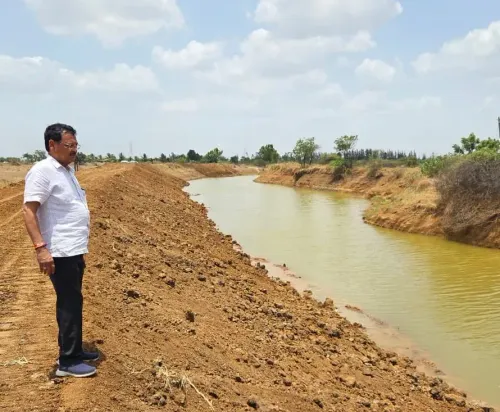
In Manavadar taluka, Junagadh , Dagadna and Jambuda lakes are being connected and deepened at an estimated cost of ₹6.5 crore .
The Manavadar pond's storage capacity will increase by two to three times , according to the Irrigation Department .
Nearly 500 to 600 hectares of agricultural land in surrounding villages are expected to receive irrigation benefits.
Works are ongoing under Sujalam Sufalam Yojana and Catch the Rain programmes.
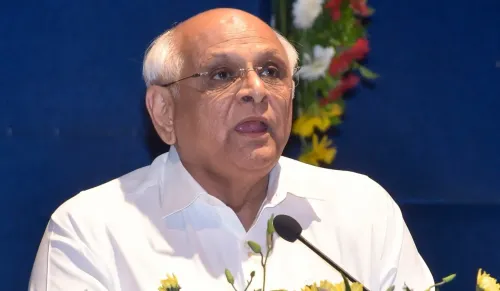
Gujarat has surpassed its three-year desilting target for reservoirs, canals, rivers, and other water bodies, with more than 221 lakh cubic metres of silt removed across the state between 2022-23 and 2024-25, according to the state government. The achievement exceeds the original target of 203 lakh cubic metres, marking a significant milestone in the state's water conservation push under Chief Minister Bhupendra Patel.
Scale of the Desilting Drive
The campaign, executed by the Water Resources Department, covered 1,474 locations across Gujarat and involved the removal of silt and unwanted vegetation from key water bodies to strengthen irrigation and water storage infrastructure. Structural improvement works were undertaken over nearly 4,223 km, with an average of 88 to 96 heavy machines deployed at different sites simultaneously.
Water Resources and Water Supply Minister Ishwarsinh Patel said the effort had been sustained consistently over three years. 'Over the last three years, work has been carried out at a total of 1,474 different sites with the help of an average of 88 to 96 government machines, covering nearly 123 lakh square metres of area and around 4,223 km in length,' he said.
Manavadar Lakes Project: Connecting and Deepening
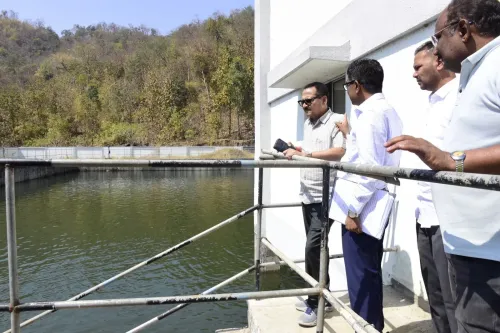
As part of the broader water conservation campaign, work is currently underway in Manavadar taluka of Junagadh district, where Dagadna and Jambuda lakes are being connected and deepened to create a larger pond at an estimated cost of ₹6.5 crore. The project is expected to improve water availability for both irrigation and drinking purposes in the area.
Farmer Ramesh Bararia from Manavadar taluka confirmed that excavation had been ongoing for over a month. 'For the last one to one-and-a-half months, vehicles have been operating to deepen this pond. Two Hitachi machines and four to five dumpers are working here. The pond is being deepened and the check dams will also be raised by two feet each. Because of this, the pond will be able to store three times more water than before,' he said.
Another farmer, Pravin Virda, said the deepened dam would channel water to his farm located 3 to 3.5 km away — an outcome he and fellow farmers had long requested. 'The government paid attention to our demand and the dam is now being deepened. This will greatly benefit us,' he added.
Storage Capacity and Irrigation Impact
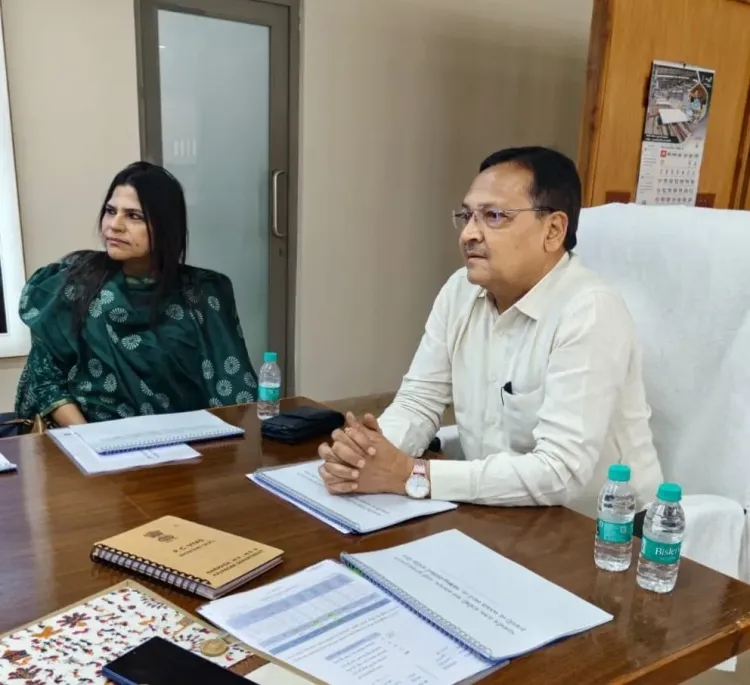
M.L. Khambhala, Deputy Executive Engineer in the Irrigation Department at Junagadh, said the Manavadar pond's storage capacity — previously around 20 million cubic feet — would increase by two to three times after repair work and the raising of the waste weir. He added that nearly 500 to 600 hectares of nearby agricultural land would gain direct irrigation benefits as a result.
Broader Conservation Framework
The desilting drive is part of Gujarat's wider water conservation agenda, carried out under programmes including Sujalam Sufalam Yojana and Catch the Rain. Officials said these initiatives aim to improve both irrigation facilities and drinking water supply across the state. This comes amid increasing pressure on water resources in semi-arid districts of Gujarat, where irregular monsoons have historically strained agricultural output.
With the three-year target now exceeded and ongoing works in Junagadh, the state government is expected to announce the next phase of the desilting programme ahead of the 2025-26 monsoon season.
Point of View
474 sites is not a paper exercise. But the story worth watching is whether storage gains translate into measurable crop-yield improvements and reduced dependence on groundwater, which has been over-extracted across several Gujarat districts for decades. The Manavadar lake-linking project is a micro-example of what scaled water infrastructure can do, but the state has yet to publish farmer-level outcome data linking desilting works to actual irrigation uptake. Until that accountability layer exists, the headline target-beating remains an input metric, not an outcome one.
NationPress
20 Sept 2026
Frequently Asked Questions
How much silt has Gujarat removed under its three-year desilting drive?
Gujarat removed more than 221 lakh cubic metres of silt from reservoirs, canals, rivers, and other water bodies between 2022-23 and 2024-25, exceeding the original target of 203 lakh cubic metres. The campaign covered 1,474 locations across the state.
What is the Manavadar lake project in Junagadh district?
The Manavadar project involves connecting and deepening Dagadna and Jambuda lakes in Manavadar taluka, Junagadh district, at an estimated cost of ₹6.5 crore. The work aims to create a larger combined pond that can store two to three times more water than before.
How many farmers and how much land will benefit from the Gujarat desilting programme?
In the Manavadar area alone, around 500 to 600 hectares of nearby agricultural land are expected to receive irrigation benefits, according to the Junagadh Irrigation Department. Farmers across the state stand to gain from improved water storage at 1,474 desilted sites.
Which government schemes are driving Gujarat's water conservation efforts?
The desilting campaign is carried out under programmes including Sujalam Sufalam Yojana and Catch the Rain, both aimed at improving irrigation facilities and drinking water supply across Gujarat. The Water Resources Department leads implementation under Chief Minister Bhupendra Patel.
By how much will the Manavadar pond's water storage capacity increase?
According to Deputy Executive Engineer M.L. Khambhala of the Junagadh Irrigation Department, the pond's storage capacity — previously around 20 million cubic feet — will increase by two to three times after repair work and the raising of the waste weir by two feet.