Gujarat Sujalam Sufalam Jal Abhiyan adds 20,789 lakh cu ft water storage in 2025
Synopsis
Gujarat's Sujalam Sufalam Jal Abhiyan has quietly become one of India's most sustained state-level water conservation drives — eight years, 1,23,635 works, and now a cumulative 1,38,039 lakh cubic feet of added storage capacity. This year's addition of 20,789 lakh cubic feet and 2.30 lakh man-days of employment show the programme is still scaling, not stalling.
Key Takeaways
Sujalam Sufalam Jal Abhiyan added 20,789 lakh cubic feet of water storage capacity in 2025 .
The eight-year cumulative storage addition has reached a record 1,38,039 lakh cubic feet .
A total of 13,315 works were completed this year, including 2,450 pond-deepening projects and 3,661 check dam desilting works .
The 2025 drive generated approximately 2.30 lakh man-days of employment; cumulative employment stands at 206.73 lakh man-days .
Canal and drain cleaning covered 626 km and 1,277 km respectively this year; cumulative cleaning exceeds 80,793 km .
The programme is implemented across six departments using public participation, MGNREGA , and departmental execution.
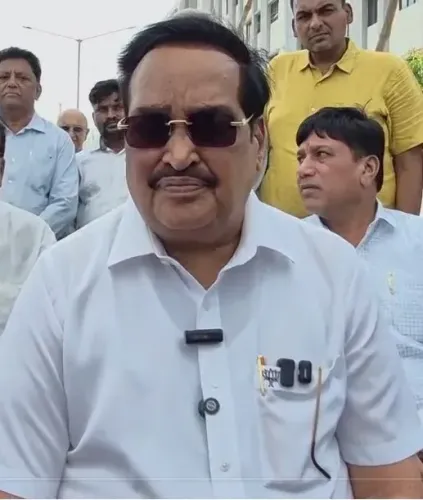
Gujarat's flagship water conservation programme, Sujalam Sufalam Jal Abhiyan, has added 20,789 lakh cubic feet of water storage capacity in the current year, pushing the cumulative eight-year total to a record 1,38,039 lakh cubic feet, Water Resources and Water Supply Minister Ishwarsinh Patel announced on Monday, 29 June 2025. The minister made the disclosure in Gandhinagar, highlighting the programme's expanding scale and cross-departmental reach.
Key Developments This Year
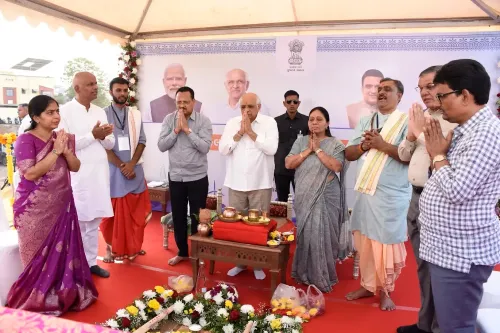
The 2025 edition of the campaign was launched statewide on 23 February in Gandhinagar by Chief Minister Bhupendra Patel. By May, a total of 13,315 works had been completed across multiple government departments through coordinated implementation.
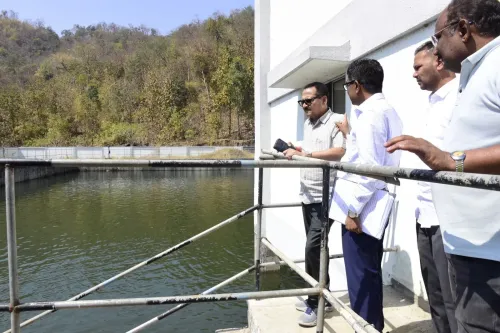
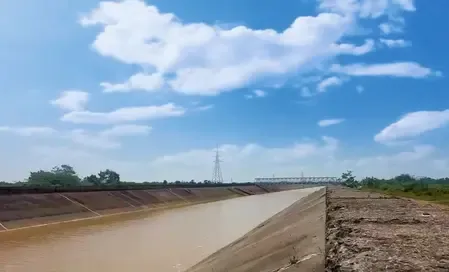
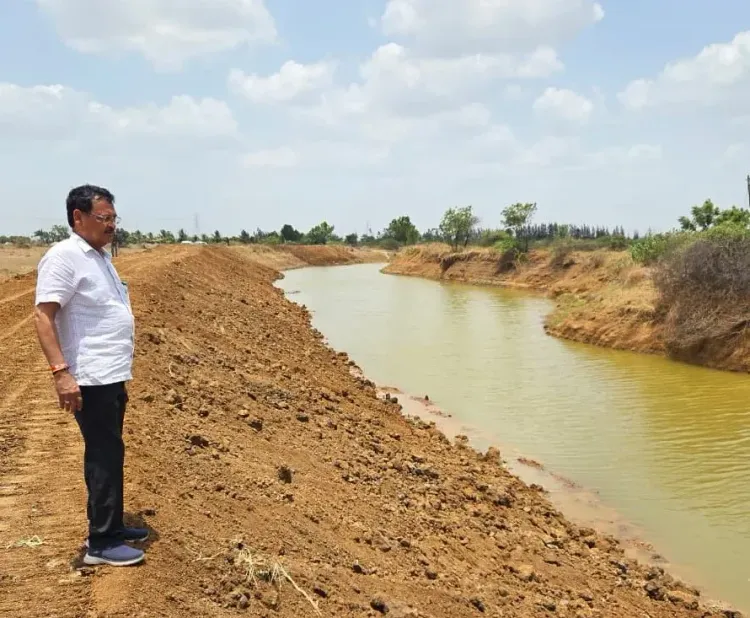
These works comprised 2,450 pond-deepening projects, 3,661 check dam desilting works, and 1,160 check dam repair works. Additionally, canals spanning 626 kilometres and drains stretching 1,277 kilometres were cleaned as part of this year's drive. The combined interventions also generated approximately 2.30 lakh man-days of employment.
Eight-Year Cumulative Impact
Since the programme's inception, a total of 1,23,635 works have been undertaken. These include 39,770 pond-deepening and pond-creation works, 26,873 check dam desilting works, and 7,810 check dam repair works. Canal and drain cleaning over the period has covered 80,793 kilometres.
According to official figures, the cumulative storage capacity addition stands at 1,38,039 lakh cubic feet, while the programme has cumulatively generated 206.73 lakh man-days of employment — underscoring its dual role as both a water security and rural livelihood initiative.
How the Programme Is Implemented
The Jal Abhiyan is executed through coordination among six departments: Water Resources, Water Supply, Forest and Environment, Urban Development, Rural Development, and Sardar Sarovar Narmada Nigam Limited (SSNNL). Works are carried out via public participation, the MGNREGA scheme, and direct departmental execution.
Minister Patel described the initiative as 'a significant public movement through participation of citizens,' aligned with Prime Minister Narendra Modi's national 'Catch the Rain' campaign. The programme's design — combining infrastructure creation with community ownership — has been cited by the state government as central to its sustained impact on groundwater recharge.
Why It Matters
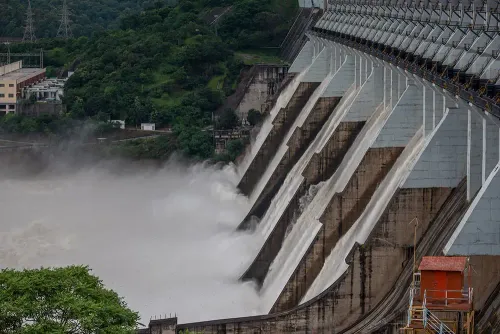
Gujarat has historically faced acute water stress, particularly in its semi-arid northern and Saurashtra regions. Programmes like Sujalam Sufalam Jal Abhiyan are designed to address seasonal water scarcity by maximising storage during monsoon months and improving year-round groundwater availability. This is the eighth consecutive year of the initiative, making it one of the longest-running state-level water conservation campaigns in India. The scale of canal and drain cleaning — over 80,000 kilometres cumulatively — reflects an infrastructure maintenance push that goes beyond headline storage numbers.
The state government is expected to continue the programme into its next phase, with departmental guidelines for the post-monsoon cycle anticipated in the coming months.
Point of View
23,635 works in, Sujalam Sufalam Jal Abhiyan is an outlier among state water programmes — most collapse after the first political cycle. But the headline storage numbers deserve scrutiny: cumulative capacity addition is not the same as water actually stored or groundwater levels measurably raised, and the state has not published independent hydrological assessments to validate those figures. The MGNREGA linkage is smart politics and sound economics, but the 206-lakh man-days figure needs to be tested against MGNREGA audit data. Gujarat's water stress is real and recurring; the programme's longevity is genuinely noteworthy, but its claimed outcomes would benefit from third-party verification before being treated as settled fact.
NationPress
27 Sept 2026
Frequently Asked Questions
What is Gujarat's Sujalam Sufalam Jal Abhiyan?
Sujalam Sufalam Jal Abhiyan is Gujarat's annual water conservation campaign, now in its eighth year, aimed at increasing water storage capacity and improving groundwater levels through pond deepening, check dam desilting, and canal cleaning. It is aligned with Prime Minister Narendra Modi's national 'Catch the Rain' campaign.
How much water storage capacity was added under the programme in 2025?
According to Water Resources Minister Ishwarsinh Patel, the programme added 20,789 lakh cubic feet of water storage capacity in 2025. The cumulative addition over eight years now stands at a record 1,38,039 lakh cubic feet, according to official figures.
How many works were completed under the 2025 campaign?
A total of 13,315 works were completed by May 2025, including 2,450 pond-deepening projects, 3,661 check dam desilting works, 1,160 check dam repairs, and cleaning of 626 km of canals and 1,277 km of drains.
How does the programme generate employment?
Works are carried out through public participation, the MGNREGA scheme, and direct departmental execution. The 2025 drive generated approximately 2.30 lakh man-days of employment, while the cumulative eight-year total stands at 206.73 lakh man-days.
Which departments implement the Jal Abhiyan?
The programme is coordinated across six departments: Water Resources, Water Supply, Forest and Environment, Urban Development, Rural Development, and Sardar Sarovar Narmada Nigam Limited (SSNNL).