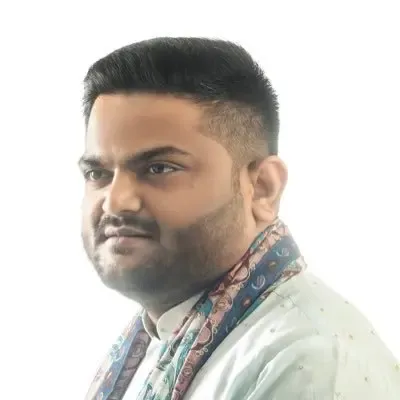
Hardik Patel: 2015 Patidar agitation was for welfare, not political change
Synopsis
More than a decade after the 2015 Patidar agitation shook Gujarat, BJP MLA Hardik Patel is pushing back against the narrative that the movement cost Anandiben Patel her chief ministership — framing it instead as a welfare campaign that yielded the EWS quota and a dedicated state commission for unreserved classes.
Key Takeaways
Hardik Patel , BJP MLA from Viramgam , denied that the 2015 Patidar agitation caused the exit of then Chief Minister Anandiben Patel .
He cited the 10% EWS reservation and the Gujarat State Commission for Unreserved Classes as direct policy outcomes of the movement.
The remarks came after a community gathering in Jasdan, Rajkot district , where the agitation's legacy was revisited.
Anar Patel , daughter of former CM Anandiben Patel, said her mother holds no ill will toward those involved in the protests.
Patel said he has no regrets about leading the advocacy and that youth from the community continue to benefit from government schemes.
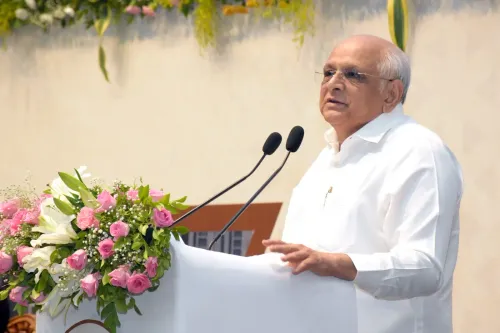
Gujarat Bharatiya Janata Party (BJP) legislator Hardik Patel on 17 November 2026 firmly dismissed claims that the 2015 Patidar reservation agitation triggered a leadership change in Gujarat under then Chief Minister Anandiben Patel, asserting that the movement was driven entirely by community welfare and the rights of youth — not political disruption.
What Hardik Patel Said
Speaking to reporters in Gandhinagar, the Viramgam MLA drew a clear line between the agitation's intent and its perceived political fallout. 'As I have said earlier, no one had to resign because of the agitation,' he said, reinforcing that ousting any individual from office was never an objective of the movement. He maintained that the collective sacrifices of young Patidars were channelled toward constructive ends, and expressed no regrets about the advocacy efforts.
Policy Gains from the Agitation
Patel pointed to two concrete outcomes as evidence of the movement's constructive impact: the introduction of the 10 per cent Economically Weaker Sections (EWS) reservation and the establishment of the Gujarat State Commission for Unreserved Classes. He noted that youth from the Patidar community are today benefiting from government schemes and educational support as a direct result of those efforts.
Context: The Jasdan Gathering
The clarification follows a community gathering in Jasdan, Rajkot district, where leaders associated with the decade-old movement convened to reflect on its legacy. The event drew attention when some participants revisited past political transitions. Notably, Anar Patel, daughter of former Chief Minister Anandiben Patel, was present and conveyed that her mother harbours no bitterness or ill feelings toward anyone involved in the historical protests — a response political observers described as a gesture of reconciliation.
Broader Significance
The 2015 Patidar agitation, led primarily by youth demanding Other Backward Class (OBC) status for the community, was one of the most visible grassroots mobilisations in Gujarat in recent decades. While it did not succeed in securing OBC status, it is widely credited with accelerating the Centre's decision to introduce the EWS quota. The renewed dialogue, more than a decade later, reflects how communities and political actors are reinterpreting that moment in light of subsequent policy gains. All eyes are now on whether the Patidar community's political alignment ahead of future Gujarat elections remains stable.
Point of View
He is constructing a legacy of pragmatic incrementalism — but critics within the community have long argued that OBC status, the original demand, was never conceded. The Jasdan gathering and Anar Patel's conciliatory presence suggest a deliberate choreography of reconciliation ahead of future electoral cycles, raising the question of whether the community's political consolidation under BJP remains genuinely settled or is being carefully managed.
NationPress
18 Nov 2026
Frequently Asked Questions
What did Hardik Patel say about the 2015 Patidar agitation?
Hardik Patel said the 2015 Patidar reservation agitation was focused solely on community welfare and youth rights, not on forcing any political figure out of office. He specifically stated that no one had to resign because of the movement.
What policy outcomes did the 2015 Patidar agitation produce?
According to Hardik Patel, the agitation contributed to the introduction of the 10 per cent Economically Weaker Sections (EWS) reservation and the creation of the Gujarat State Commission for Unreserved Classes. These are the two key policy gains he cited as the movement's legacy.
Why is Hardik Patel clarifying these points now?
The clarification follows a community gathering in Jasdan, Rajkot district, where leaders linked to the decade-old movement reflected on its legacy, including past political transitions. Some remarks at the event prompted renewed debate about whether the agitation triggered former Chief Minister Anandiben Patel's exit.
What was Anandiben Patel's daughter's response at the Jasdan event?
Anar Patel, daughter of former Gujarat Chief Minister Anandiben Patel, conveyed at the Jasdan gathering that her mother holds no bitterness or ill feelings toward anyone involved in the 2015 protests. Observers described her remarks as a gesture of reconciliation.
What was the original demand of the 2015 Patidar agitation?
The 2015 Patidar agitation, led largely by youth, demanded Other Backward Class (OBC) status for the Patidar community in Gujarat. That specific demand was not granted, though the movement is credited with accelerating the EWS quota introduced subsequently.