Gujarat CM Bhupendra Patel Pushes Natural Farming Agenda
Synopsis
Gujarat's Chief Minister's Office spotlighted CM Bhupendra Patel's 'Back to Basics' drive for chemical-free natural farming on 19 July 2026, framing it as a defining pillar of the state's agricultural policy and its 'Always Ahead Gujarat' identity.
Key Takeaways
The Chief Minister's Office of Gujarat posted on 19 July 2026 promoting the state's natural farming agenda.
CM Bhupendra Patel , in office since 2021 , is the named leader driving this 'Back to Basics' agricultural direction.
The initiative prioritises chemical-free, traditional farming methods to improve soil health and reduce input costs for farmers.
Gujarat's push aligns with the Central Government's Paramparagat Krishi Vikas Yojana , launched in 2015 .
The campaign is part of the recurring 'Agressor Gujarat' ('Always Ahead Gujarat') state communications series.
Upcoming state budget provisions and farmer training programme details will indicate the depth of the state's commitment.
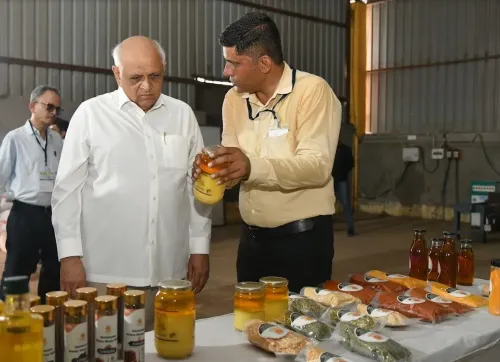
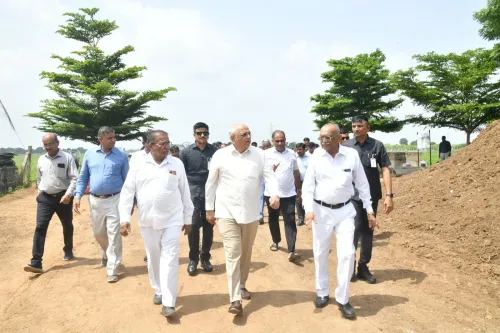
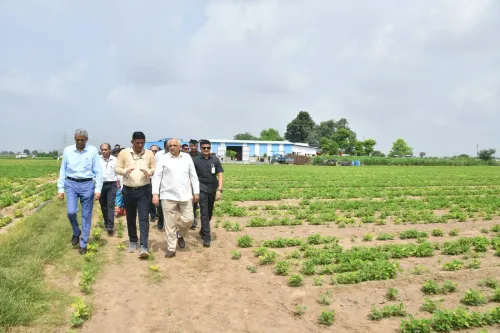
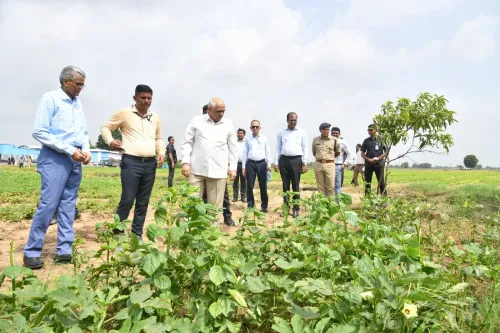
The Chief Minister's Office of Gujarat on Sunday, 19 July 2026, shared a post highlighting the state government's commitment to chemical-free natural farming under the leadership of Chief Minister Bhupendra Patel, framing it as a cornerstone of the state's 'Back to Basics' agricultural philosophy.
The post, published under the recurring Agressor Gujarat ('Always Ahead Gujarat') campaign, invites citizens to learn about Gujarat's progress in prioritising chemical-free natural farming (rasayanmukt prakrutik krushi) under CM Patel's stewardship. The message signals a deliberate policy push toward sustainable, soil-friendly agriculture across the state.
Context
Natural farming, rooted in traditional agricultural methods that eliminate synthetic chemicals and fertilisers, has gained significant traction across Indian states over the past decade. Gujarat's renewed emphasis under CM Bhupendra Patel — who has led the state since 2021 — reflects a structured effort to reduce farmer dependence on costly chemical inputs while addressing long-term soil degradation.
The 'Back to Basics' mantra positions natural farming not as a fringe movement but as a mainstream state policy priority, aligning Gujarat's agricultural direction with broader national sustainability goals.
Policy Backdrop
The Central Government launched the Paramparagat Krishi Vikas Yojana (PKVY) in 2015 to promote organic and natural farming across Indian states, with Gujarat among the participating states. Gujarat's current push builds on this foundation, embedding chemical-free farming within the state's own administrative and outreach framework.
Several Indian states have adopted similar programmes to counter the environmental and health consequences of decades of intensive chemical agriculture. Gujarat's approach, branded under a distinct state identity, signals an intent to own and scale this transition at the state level rather than rely solely on central scheme mandates.
Stakeholders and Impact
Gujarat's farming community stands at the centre of this initiative. Farmers who adopt natural farming methods are expected to benefit from reduced input costs over time, improved soil health, and potentially better market access as consumer demand for chemical-free produce grows in domestic and export markets.
Gujarat is a western Indian state with a substantial agricultural sector operating alongside its well-known industrial base. Transitioning a meaningful share of this sector toward natural farming involves training, supply-chain adjustments for bio-inputs, and sustained institutional support — all of which require coordinated state investment.
What's Next
Attention will now turn to how the state translates this communication into measurable on-ground action — specifically, whether upcoming Gujarat budget provisions earmark dedicated funds for natural farming expansion, and whether farmer training programmes are scaled with verifiable targets and timelines.
If Gujarat institutionalises chemical-free farming at scale, it could serve as a replicable model for other agriculturally significant states navigating the tension between productivity pressures and environmental sustainability. The state's next fiscal announcements will be a key indicator of intent becoming policy.
Point of View
Environmentally conscious leader. The real test will be whether this communication translates into verifiable budget allocations and farmer adoption numbers in the months ahead.
NationPress
19 Jul 2026
Frequently Asked Questions
What is Gujarat's natural farming initiative under CM Bhupendra Patel?
Gujarat's state government under Chief Minister Bhupendra Patel is promoting chemical-free natural farming — rooted in traditional agricultural methods — as a core policy priority, framed under the 'Back to Basics' philosophy to reduce chemical inputs and improve soil health.
What does 'Back to Basics' mean in Gujarat agriculture policy?
'Back to Basics' is the guiding philosophy articulated by the Gujarat Chief Minister's Office for its agricultural push, emphasising a return to chemical-free, traditional farming methods over synthetic fertiliser and pesticide-dependent agriculture.
What is Paramparagat Krishi Vikas Yojana and how does it relate to Gujarat?
Paramparagat Krishi Vikas Yojana (PKVY) is a Central Government scheme launched in 2015 to promote organic and natural farming across India. Gujarat is among the states that have participated in this scheme, and the state's current natural farming push builds on its framework.
How does natural farming benefit Gujarat farmers?
Natural farming can reduce farmers' dependence on costly chemical inputs over time, improve long-term soil fertility, and open access to premium markets for chemical-free produce, though the transition requires initial training and institutional support.
What is the 'Agressor Gujarat' campaign?
'Agressor Gujarat,' meaning 'Always Ahead Gujarat,' is a recurring state government communications series used by the Chief Minister's Office to highlight Gujarat's policy progress and achievements across sectors including agriculture.