Gujarat CM marks Janjatiya Gaurav Diwas, honours Birsa Munda
Synopsis
Gujarat's Chief Minister celebrated Janjatiya Gaurav Diwas on 15 November 2026, paying tribute to Bhagwan Birsa Munda and outlining 25 years of tribal-area transformation under PM Modi's leadership, with a fresh commitment to women's empowerment, education, and sports.
Key Takeaways
Janjatiya Gaurav Diwas is observed on 15 November every year — the birth anniversary of tribal freedom fighter Bhagwan Birsa Munda , declared a national day in 2021 .
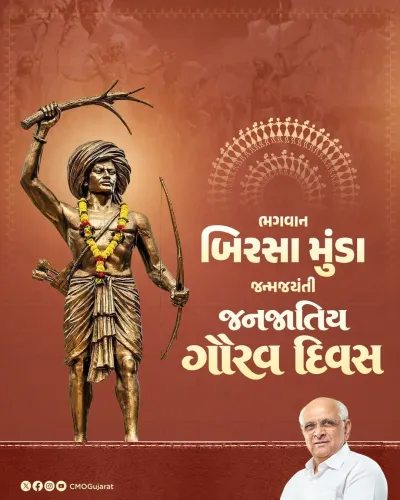
Gujarat's Chief Minister saluted Birsa Munda's legacy, calling the day an occasion to honour tribal society's contribution, valour, and culture in India's history.
The CM highlighted 25 years of historic transformation in tribal areas, attributing it to PM Narendra Modi's leadership across his Gujarat CM and Prime Ministerial tenures.
New development projects were presented to Gujarat at the event, with emphasis on women's empowerment, education, and sports for Adivasi communities.
The CM reaffirmed commitment to bringing tribal society into the development mainstream as part of the Viksit Bharat national vision.
On the birth anniversary of Bhagwan Birsa Munda, Gujarat's Chief Minister used Janjatiya Gaurav Diwas on 15 November 2026 to pay tribute to the tribal freedom fighter's legacy — and to frame the state's development push in tribal areas as a living continuation of that spirit.
Birsa Munda's legacy at the centre of the ceremony
Speaking at the event, the Chief Minister saluted what he called the 'divya chetna' — the divine consciousness — of Bhagwan Birsa Munda, describing the day as an occasion to honour the unparalleled contribution, valour, and culture of tribal society in India's history. The 19th-century Munda tribal leader from present-day Jharkhand led an armed rebellion against British colonial rule and remains one of the most revered symbols of Adivasi resistance; his birth anniversary was formally declared a national observance — Janjatiya Gaurav Diwas — by the Government of India in 2021.
25 years of change in Gujarat's tribal belt
The Chief Minister highlighted what he described as historic transformation in tribal areas over the last 25 years under the leadership of Prime Minister Narendra Modi — a period that spans Modi's tenure as Chief Minister of Gujarat from 2001 through to his current run as Prime Minister. The address drew a direct line between that governance continuity and a range of development projects presented to the state at the event, though specific scheme names and figures were not independently verifiable at the time of reporting.
Women's empowerment, education, and sports: the new frontier
Beyond infrastructure, the Chief Minister expressed a firm resolve to open new possibilities in women's empowerment, education, and sports for tribal communities. He stated that tribal society had been brought into the mainstream of development and reiterated a commitment to realising the vision of a Viksit Bharat — Developed India — through the all-round advancement of Adivasi communities. Gujarat has in recent years spotlighted tribal-area initiatives in girls' education and grassroots sports as signature welfare planks under the broader national narrative.
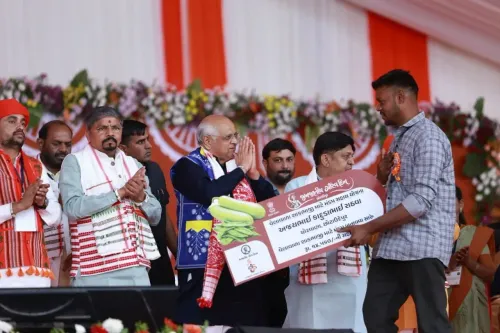
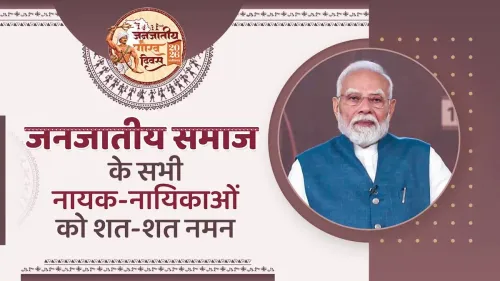
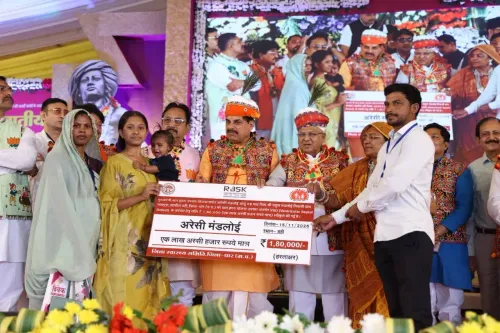
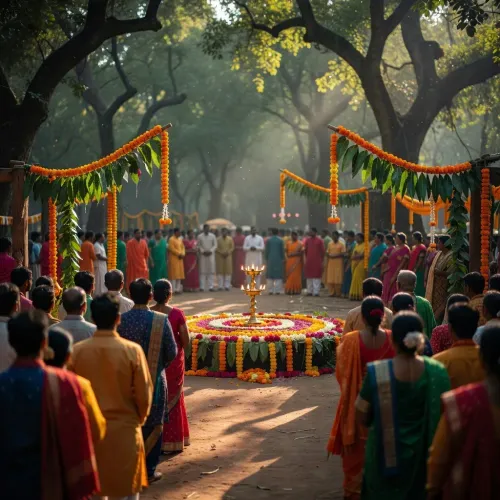
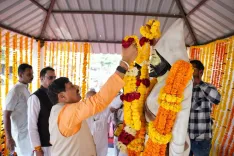
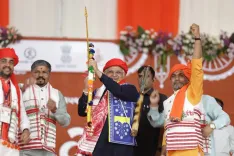
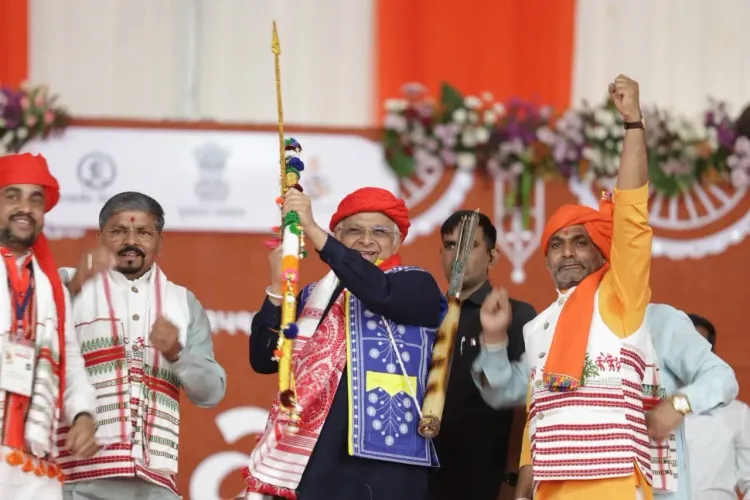
Four images shared alongside the post captured the ceremonial event, lending the occasion a sense of collective pride. The annual observance serves both as cultural commemoration and as a policy checkpoint — a moment when state governments audit and announce their tribal welfare commitments before a national audience. Gujarat's focus on mainstreaming tribal communities, anchored to the Birsa Munda legacy, signals that the Adivasi vote and welfare agenda will remain central to the state's political and administrative calendar going forward.
Point of View
The state is reinforcing a continuity argument that has strategic value ahead of any future electoral cycle. The pivot to women's empowerment, education, and sports signals a deliberate broadening of the tribal agenda beyond traditional infrastructure into human-capital metrics — areas that tend to generate lasting goodwill. The ceremony ultimately illustrates how symbolic tributes and policy announcements are being fused into a single, media-ready moment designed to reach Adivasi constituencies directly.
NationPress
15 Nov 2026
Frequently Asked Questions
What is Janjatiya Gaurav Diwas and why is it celebrated on 15 November?
Janjatiya Gaurav Diwas is a national observance declared by the Government of India in 2021 to mark the birth anniversary of tribal freedom fighter Bhagwan Birsa Munda, who was born on 15 November. The day honours the contributions, valour, and culture of tribal communities in India's history and freedom struggle.
Who was Bhagwan Birsa Munda?
Bhagwan Birsa Munda was a 19th-century tribal leader from present-day Jharkhand who led the Munda rebellion against British colonial rule. He is revered as a defining symbol of Adivasi resistance and cultural identity across India.
What did the Gujarat CM announce on Janjatiya Gaurav Diwas 2026?
The Gujarat Chief Minister paid tribute to Birsa Munda's legacy, highlighted 25 years of development in tribal areas under PM Modi's leadership, and expressed a firm commitment to creating new opportunities for tribal communities in women's empowerment, education, and sports.
What is the Viksit Bharat vision and how does it relate to tribal welfare?
Viksit Bharat, meaning 'Developed India', is the central government's aspirational framework for comprehensive national development. Gujarat's Chief Minister linked the all-round advancement of tribal communities directly to this vision, framing Adivasi progress as integral to the country's development goals.
How has Gujarat been promoting tribal development in education and sports?
Gujarat has spotlighted initiatives in girls' education and grassroots sports within tribal areas as part of its welfare agenda, presented as part of a broader effort to bring Adivasi communities into the mainstream of development.