Gujarat CM launches 136 Gram Haats at bus stations for Sakhi Mandal women
Synopsis
Gujarat has embedded 136 women-run Gram Haats inside bus stations across 27 districts — turning everyday transit hubs into storefronts for Sakhi Mandal products. With 30 lakh rural women, 2.5 lakh self-help groups, and ₹800 crore in state support already in play, the model bets on footfall over fancy infrastructure to lift rural incomes.
Key Takeaways
Gujarat CM Bhupendra Patel launched 136 Gram Haats at bus stations across 27 districts on 10 October .
The haats are managed by Sakhi Mandals and provide stall space to rural women at no rental charge .
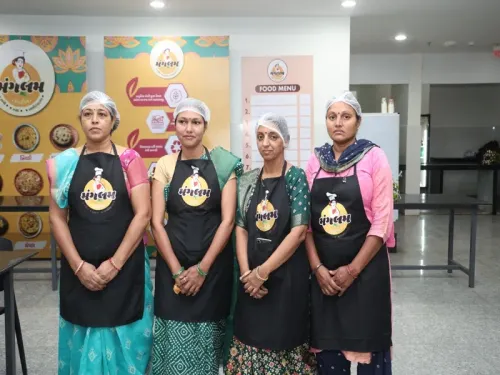
Approximately 30 lakh rural women across 2.5 lakh Sakhi Mandals in Gujarat are currently earning through their skills.
More than 8.5 lakh women in Gujarat have achieved Lakhpati Didi status — annual household income of at least ₹1 lakh .
The state disbursed ₹800 crore in women's economic empowerment support last year.
GLPC signed 13 MoUs with partners including Amul , NIFT , MICA , Railways , and several banks to expand product marketing.
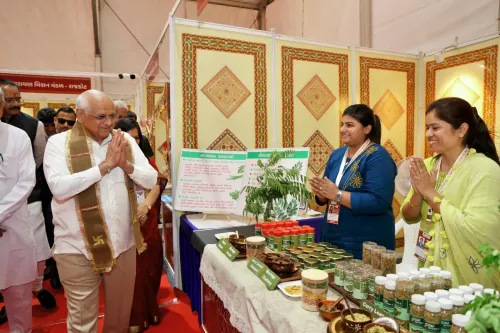
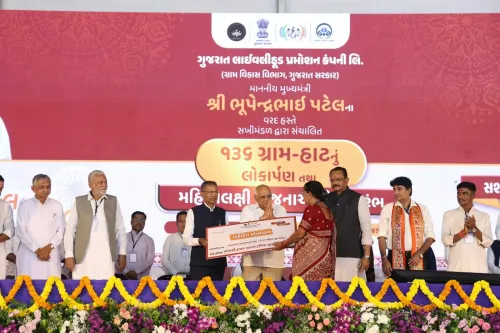
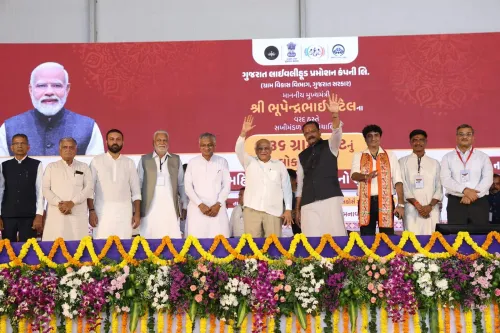
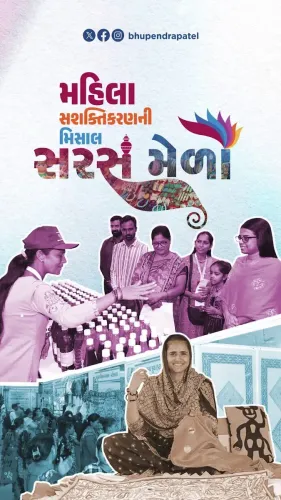
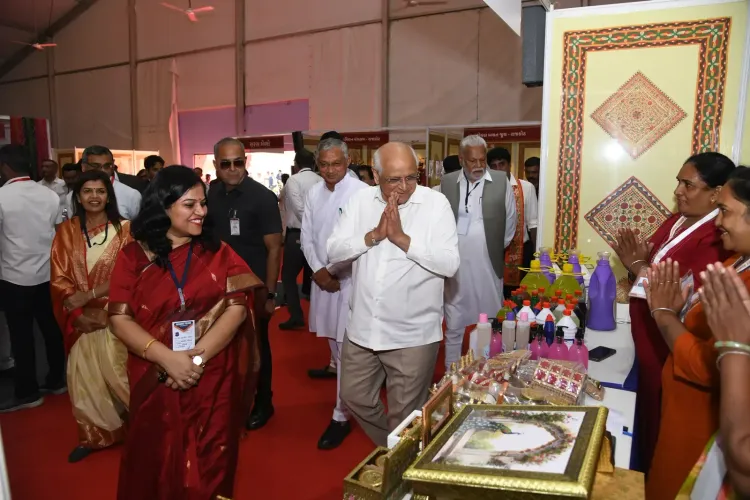
Gujarat Chief Minister Bhupendra Patel on Saturday, 10 October inaugurated 136 Gram Haats at bus stations across 27 districts of Gujarat, creating dedicated retail outlets for products made by women's self-help groups known as Sakhi Mandals. The launch, held at Race Course Ground in Rajkot, was accompanied by the inauguration of a three-day Saras Mela and a raft of new initiatives aimed at bolstering rural women's economic standing.
What the Gram Haats Offer
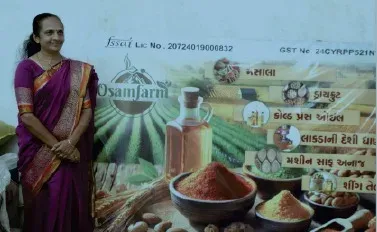
The Gram Haats, managed directly by Sakhi Mandals, are designed to give rural women permanent, accessible outlets to sell handicrafts, homemade food products, and other locally produced goods. By situating these stalls at bus stations — high-footfall transit points — the initiative aims to connect village-level producers with a broader consumer base, supporting the Centre's 'Vocal for Local' push.
Members of self-help groups at the event noted that stall space had been allotted to them without any rental charges, reducing the entry barrier for smaller producers.
Key Announcements by the Chief Minister
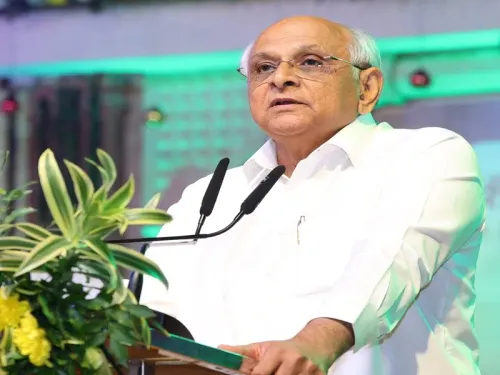
Addressing the gathering, Patel said Prime Minister Narendra Modi's vision was to make women active partners in development rather than passive beneficiaries of government programmes. He highlighted that facilities had also been created at railway stations to market self-help group products, extending the retail network beyond road transport hubs.
Patel disclosed that approximately 30 lakh rural women associated with 2.5 lakh Sakhi Mandals across Gujarat are currently earning income through their skills. He added that the state government had disbursed ₹800 crore in assistance during the previous year to support women's economic empowerment, and indicated readiness to scale up support in coming years.
The Chief Minister also noted that more than 8.5 lakh women in Gujarat have become Lakhpati Didis — a designation for women who have achieved an annual household income of at least ₹1 lakh through livelihood activities.
Institutional Partnerships and MoUs
The Gujarat Livelihood Promotion Company (GLPC) signed 13 memorandums of understanding with organisations and government departments to strengthen the marketing and distribution of self-help group products. Partners include the Railways, Gujarat State Road Transport Corporation (GSRTC), the Cooperation and Animal Husbandry departments, Amul, the Mudra Institute of Communications, Ahmedabad (MICA), the Entrepreneurship Development Institute of India, the National Institute of Fashion Technology (NIFT), Sardar Patel Agricultural University, and several banks.
Patel also announced that reputed institutions — including NIFT and MICA — would provide mentorship and guidance to women aspiring to become digital entrepreneurs, broadening the programme's scope beyond physical retail.
Financial Disbursements and Other Benefits
At the event, cash credit cheques worth ₹45 lakh and Amul parlour allotment letters were distributed to self-help groups. Groups engaged in dairy activities received cash credit cheques worth ₹40 lakh, while other Sakhi Mandals received cheques totalling ₹1,08,640 under an e-commerce incentive scheme.
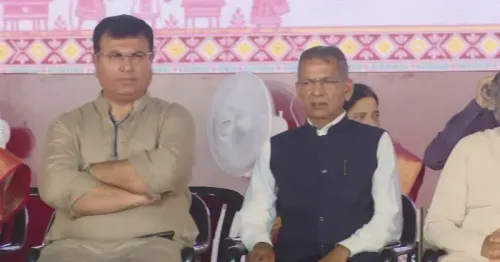
Additionally, Chief Minister Patel allotted free residential plots to 139 families belonging to nomadic and denotified communities in Rajkot district. The event was attended by Rajkot Mayor Nehal Shukla, Member of Parliament Parshottam Rupala, local legislators, and senior state and district administration officials.
Broader Significance
This comes amid a national push to formalise and scale rural women's self-help group economies, with similar Saras Mela formats operating across multiple states under the National Rural Livelihoods Mission (NRLM) framework. Gujarat's move to embed Gram Haats within existing transit infrastructure — rather than building standalone markets — is a cost-efficient model that other states may look to replicate. How effectively these outlets are sustained beyond inaugural momentum will determine whether the initiative delivers lasting income gains for Sakhi Mandal members.
Point of View
But it also means the programme's success hinges on GSRTC cooperation and station management, both historically uneven. The 13 MoUs signed with Amul, Railways, and academic institutions signal ambition, but MoUs in India's rural livelihood space have a long history of remaining on paper. The real metric to watch is not the number of stalls opened but sustained monthly sales per Sakhi Mandal — a figure the government has not yet committed to publishing.
NationPress
10 Oct 2026
Frequently Asked Questions
What are the Gram Haats launched by Gujarat CM Bhupendra Patel?
Gram Haats are dedicated retail stalls set up at bus stations across 27 districts of Gujarat, managed by Sakhi Mandals — women's self-help groups — to sell handicrafts, homemade food, and other locally made products. The 136 outlets were inaugurated on 10 October at an event in Rajkot, with stall space provided free of rental charges.
What is a Sakhi Mandal?
A Sakhi Mandal is a women's self-help group in Gujarat that pools savings and undertakes collective livelihood activities such as handicraft production, dairy, and small-scale food processing. According to state government data, around 30 lakh rural women are associated with 2.5 lakh such groups across the state.
What is the Lakhpati Didi scheme and how many women have benefited in Gujarat?
Lakhpati Didi refers to women who have achieved an annual household income of at least ₹1 lakh through self-help group livelihood activities. Gujarat CM Bhupendra Patel stated that more than 8.5 lakh women in the state have reached this milestone.
Which organisations signed MoUs with GLPC at the Rajkot event?
The Gujarat Livelihood Promotion Company (GLPC) signed 13 memorandums of understanding with the Railways, Gujarat State Road Transport Corporation, the Cooperation and Animal Husbandry departments, Amul, MICA, the Entrepreneurship Development Institute of India, NIFT, Sardar Patel Agricultural University, and several banks to strengthen the marketing of self-help group products.
How much financial support has the Gujarat government provided to women's self-help groups?
Chief Minister Patel stated that the state government disbursed ₹800 crore in assistance during the previous year to support women's economic empowerment, and indicated that greater support would be extended in coming years. At the Rajkot event, cash credit cheques worth ₹45 lakh and Amul parlour allotment letters were also distributed to self-help groups.